
Early Years
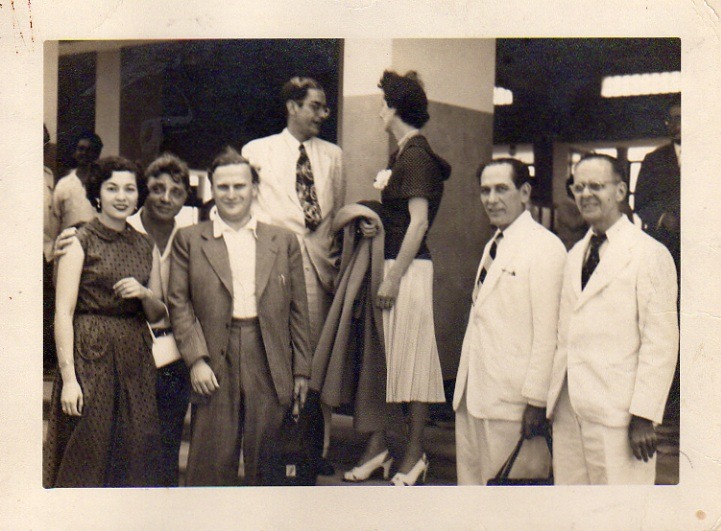
CARLOS DIEPPA and Yehudi Menuhin
BARRANQUILLA and Cartagena VISIT, CIRCA 1965
Violy Dieppa; Yehudi Menuhin; Carlos Dieppa Delgado. ( Ford motor company co-sponsors Representative) – Menuhin in Barranquilla and Cartagena – Colombia
Sinfonia Latina - Classical Urban; Inclusive Pertinent Persistent Music
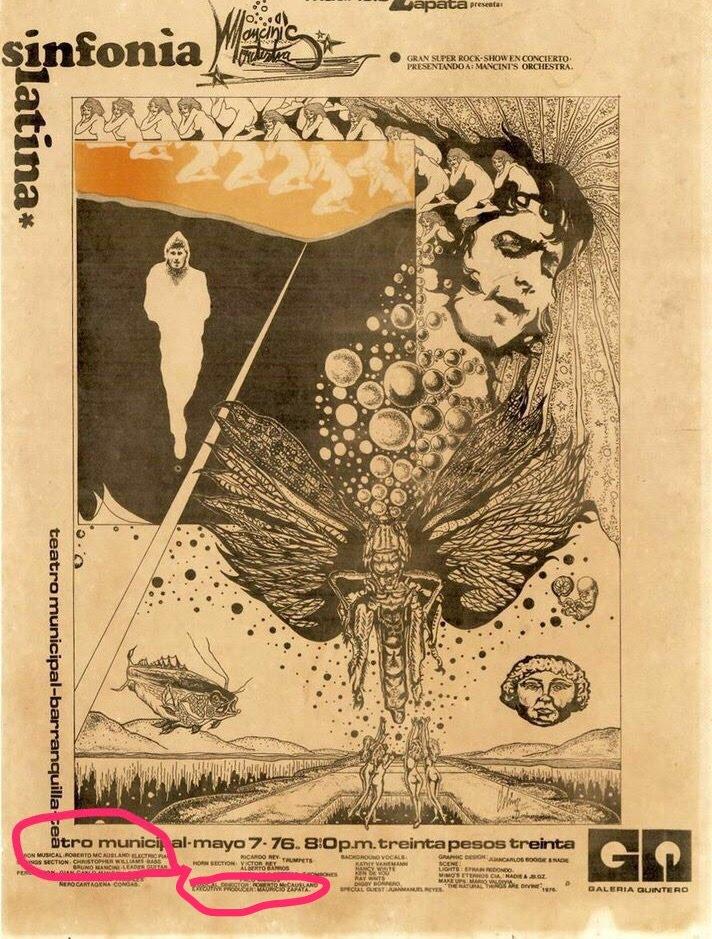
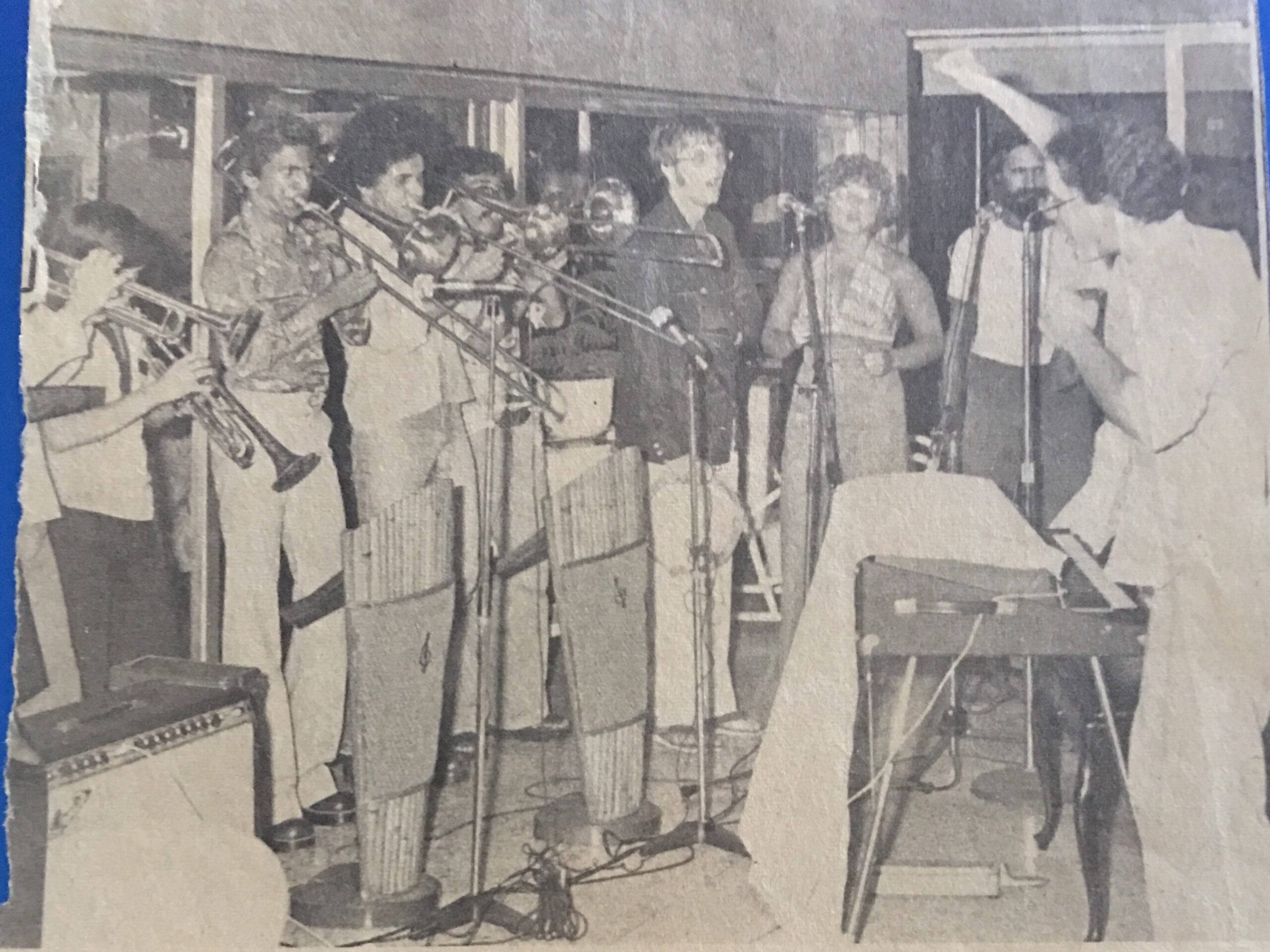
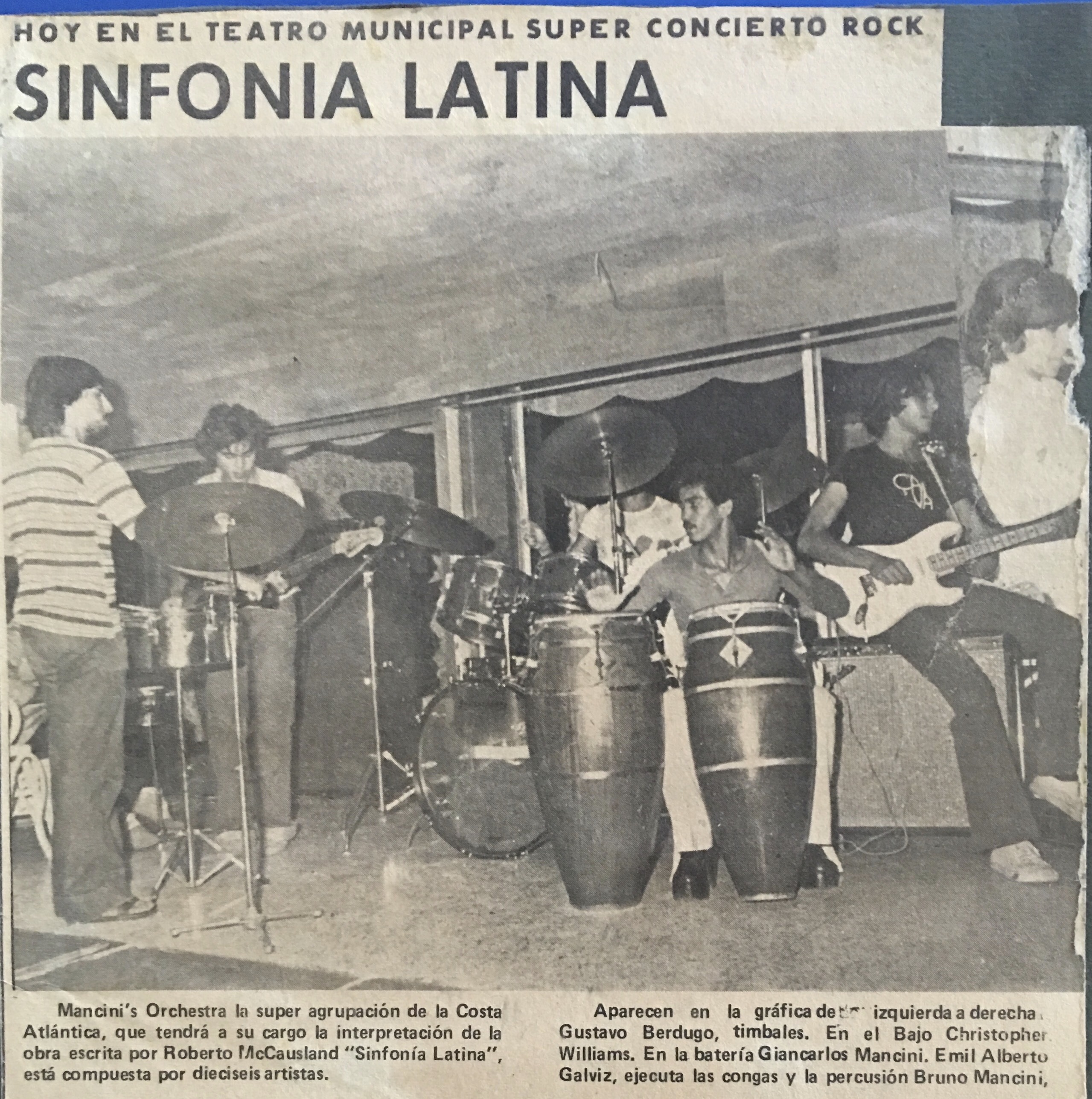
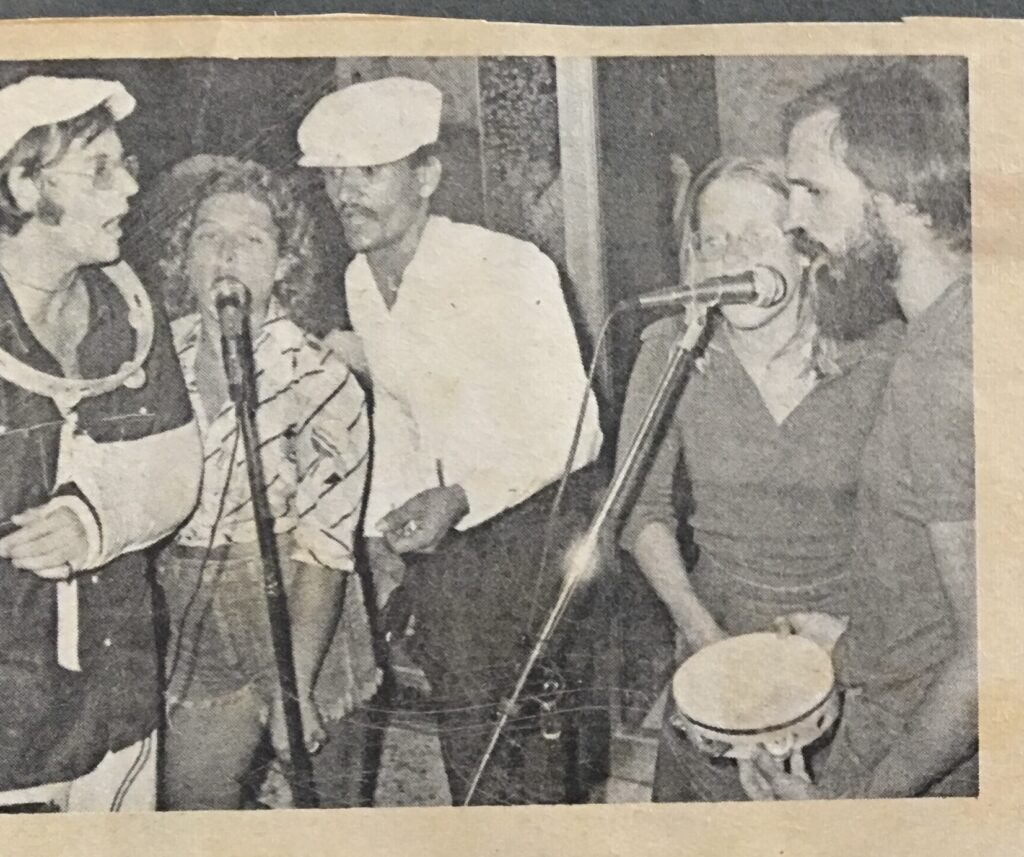
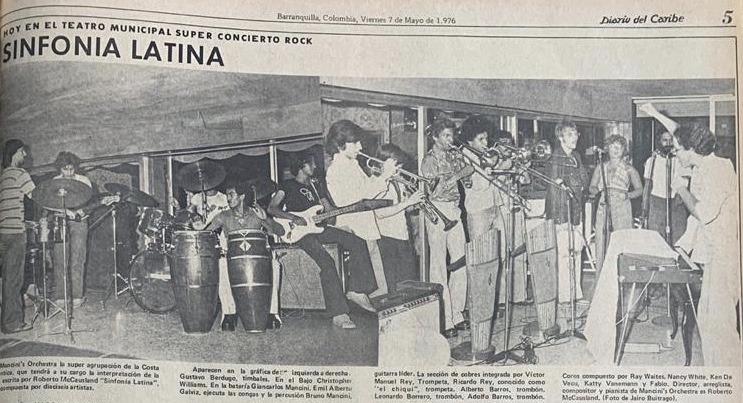
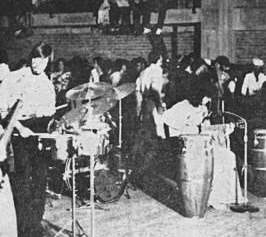
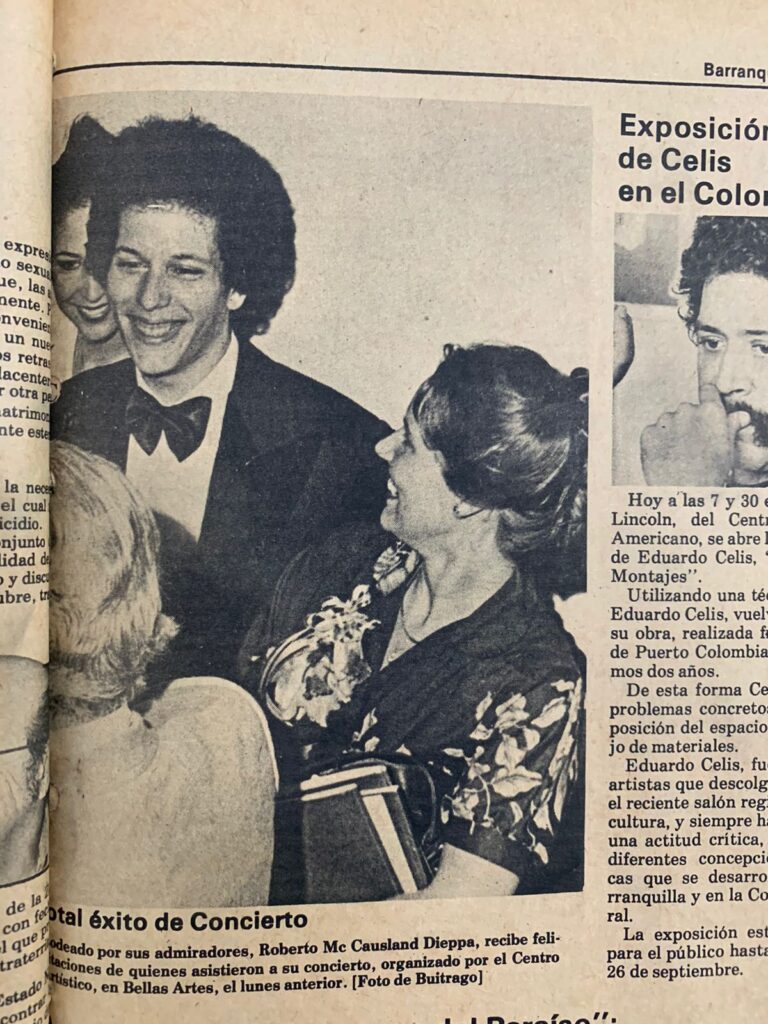
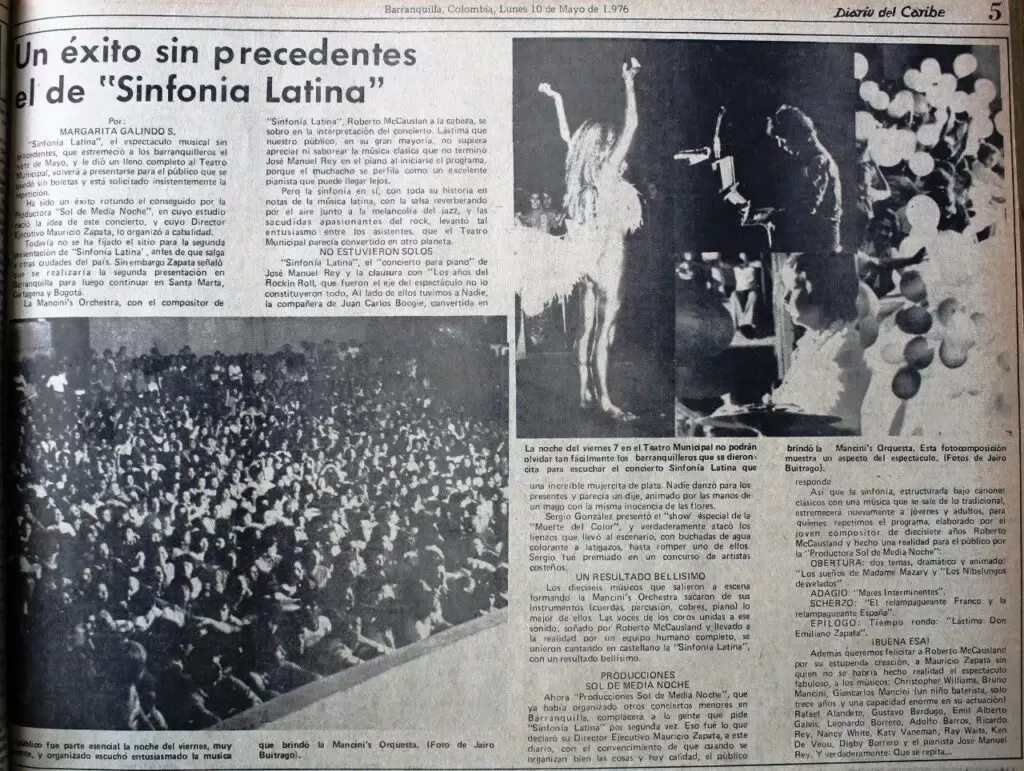
Sinfonia Latina is a rock concert named after the opus Sinfonia Latina that transformed into a festival. The first concert occurred on May 07, 1976, at 8 PM in Barranquilla, Colombia at the municipal theater Amira de la Rosa. The event attracted audiences if 3,000 inside the structure. An estimated 4,000 people remained outside unable to enter the theater under construction. Billed as a musical Supershow in Barranquilla, Sinfonia Latina was composed, directed, and conducted by Roberto McCausland Dieppa. Stemming from the rock music revolution of the time, the supershow was part of the avant-garde counterculture movement
¿What is Sinfonia Latina?
The short answer: A celebration of music, sound, culture and art in one place for all people.
The background: What happens when boundaries between class structures, political parties and art genres are blurred? People come together and recognize what connects us all, a love for life and an appreciation for diversity and the talents inherent in every person.
No one would have thought this sentiment outright back in 1976 when Roberto McCausland Dieppa, 16, merged his classical piano training with street musicians playing rock, jazz, salsa, reggae and other styles. Roberto, himself, had no preconceived notions about what he was doing. He was a kid from an affluent family who’d spent his early years hanging out with his grandfather, Carlos Dieppa, a successful industrialist whose shops assembled appliance parts for several large companies including General Electric, Westinghouse and the Ford Motor Company. An extremely disciplined planner and worker, Carlos took his grandson to work in the factories where Roberto was exposed to a completely different world.
“I had no set ideas about what was appropriate music or not,” Roberto says. “I took a liking to the piano, and my grandfather recognized that I would benefit from a good instructor. So, I started learning the classics like Beethoven and Ravel and Mozart. But then, I’d go to work with my grandfather, and his workers were listening to the Beatles, Motown, and jazz. Little did I know, I was synthesizing all these styles and starting to incorporate them into something new. Sinfonia Latina turned into the natural extension of that.”
¿What is Sinfonia Latina?
The short answer: A celebration of music, sound, culture and art in one place for all people.
The background: What happens when boundaries between class structures, political parties and art genres are blurred? People come together and recognize what connects us all, a love for life and an appreciation for diversity and the talents inherent in every person.
No one would have thought this sentiment outright back in 1976 when Roberto McCausland Dieppa, 16, merged his classical piano training with street musicians playing rock, jazz, salsa, reggae and other styles. Roberto, himself, had no preconceived notions about what he was doing. He was a kid from an affluent family who’d spent his early years hanging out with his grandfather, Carlos Dieppa, a successful industrialist whose shops assembled appliance parts for several large companies including General Electric, Westinghouse and the Ford Motor Company. An extremely disciplined planner and worker, Carlos took his grandson to work in the factories where Roberto was exposed to a completely different world.
“I had no set ideas about what was appropriate music or not,” Roberto says. “I took a liking to the piano, and my grandfather recognized that I would benefit from a good instructor. So, I started learning the classics like Beethoven and Ravel and Mozart. But then, I’d go to work with my grandfather, and his workers were listening to the Beatles, Motown, and jazz. Little did I know, I was synthesizing all these styles and starting to incorporate them into something new. Sinfonia Latina turned into the natural extension of that.”
Al mar de la montaña (De la Sierra Nevada al Caribe)
Al mar de la montaña (De la Sierra Nevada al Caribe) by Roberto McCausland “Dieppa” Original title Al mar de la montaña (De la Sierra Nevada al Caribe) Written 1974-1975 Country Colombia Language Spanish Publication date 1974-1975 Al mar de la montaña was written between 1974 -1975 by Roberto McCausland Dieppa. The poetry was performed in Spanish by the choir during the third movement of the Sinfonia Latina (Eine Karibisch Musik Werke) on May 7, 1976.
Bajando vengo ahora, De la gran montaña, Danzando las colinas, Un día ensoñador
Distantes lindos techos, Endulzan las cosechas, Mirando las ranuras, Un mundo arrollador
Caminos y senderos, Vistosas ensenadas, Veredas de verdades, Se ven con luz color
El mar se viste claro, De lejos limpio el mundo, Acércate a la vida, Se cubre sin amor
Pensantes todos somos, Pasión sin buen camino, A Thales Mileto, Miro con gran dolor
Y canto porque amo, Y amo porque quiero, Y canto al gran río, Que limpia mi dolor.
Acknowledgements
The Library of Congress (US) via Eduardo Posada; Professor, Cambridge -University, London, England; Biblioteca Piloto Barranquilla, Colombia. Miguel Iriarte. Angela Arias Sanguino- musicology and history dissertation Universidad Del Atlantico Barranquilla. Juan B. Fernandez Renowitzky. Francisco Posada De la Peña.
Filiberto Mancini from Barranquilla, Colombia furnished news journals and Magazines including El Tiempo de Colombia, El Heraldo de Barranquilla and El Diario del Caribe, Barranquilla. El Tiempo de Bogotá- Colombia. Juan Gozain. Special Thanks to Bruno Mancini and famiglia.
Orchestra
Mancini’s Band a Mancini’s Orchestra,
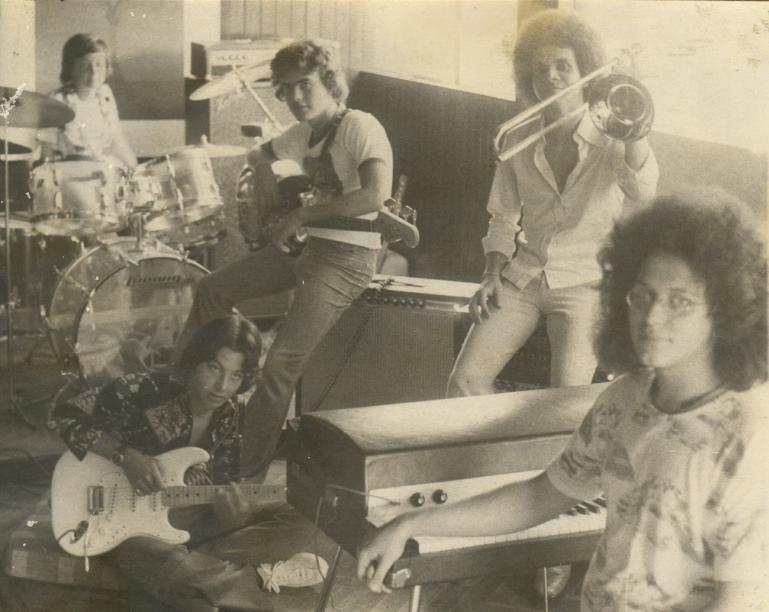
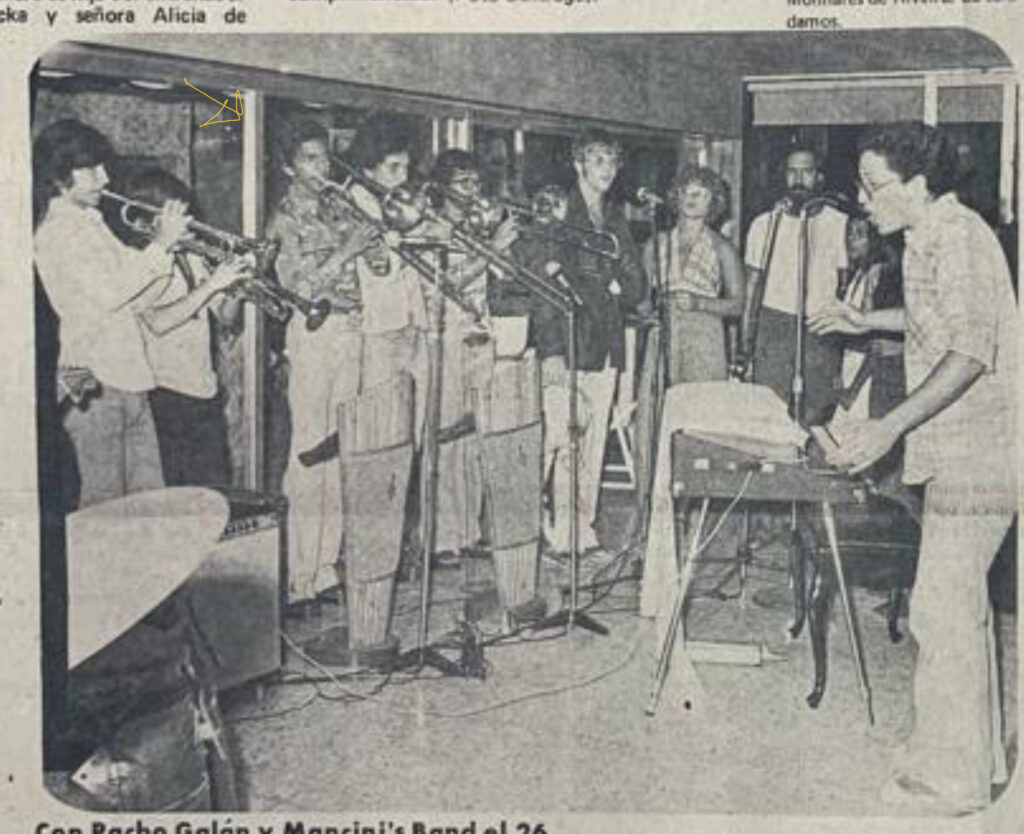
Roberto McCausland Dieppa Director, Composer, Pianist · Strings/Guitars Bruno Mancini, Lead guitars · Percussion Gean Carlo Mancini, trap set, Drums · Gustavo Berdugo, Timbales, Ñero Cartagena, Conga · Trumpets, Ricardo Rey · Victor Rey · Horns · Victor Rey · Alberto Barros · T-Bones · Leonardo Borrero·Paco Barro Alberto Barro · Choir/ Background Vocals· Katie Vaneman ·Nancy White · Ken De Vou · Ray Watts · Dioby Borrero. Salsa Melismatic Singer- Fabio V. – in Memory for his devotion and beautiful singing.
Executive Producer
Mauricio Zapata · Special Guest · Juan Manuel Reyes
Graphic Design · Juan Carlos Buggy & Nadie · Light · Efrain Perdomo · Mimos:
Nadie & co · Make up Mario Valderrama. The Pacho Galan Orchestra, Members of the Philharmonic, Composer arranger, Author writer:
Roberto Mccausland Dieppa Dieppe
Dedication
Contemporary musical language, Rhythmic, sweetly dissonant, the work commemorates the life of Carlos Dieppa Delgado, inspiration McCausland Dieppa. Carlos Dieppa had recently died and it was his grandfather from whom Dieppa learned music, especially the works of Beethoven.

A newspaper reviewed Sinfonia Latina, calling the event “culturally persistent music for everyone.”
The performance had a classical structure, lots of rhythm and the choir sang in the native tongue of the audience. Everyone could understand them, which was a refreshing change of pace. The event Sinfonia Latina drew more than 8,000 people who experienced unity through art and music.
What did Roberto’s mom and dad think?
“They were stunned,” he laughs. “My mom thought I was crazy, but she couldn’t deny the effect we had. She came to the show expecting to hear a traditional classical performance. She got more than she bargained for.”
Sinfonia Latina, the 1976 project that synthesized class structures and music genres into an event that celebrated life, became the catalyst that jump started the theater’s restoration. It was finished in 1983.
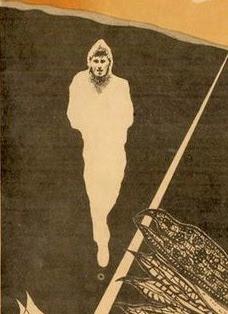
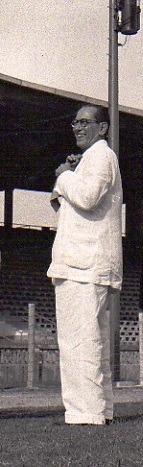
Carlos Dieppa Delgado
At philharmonic Barranquilla open air program
Dieppa’s and ‘Sinfonía Latina early years were coddled under intense and exotic Artistic Ambience
Fortunately, and somewhat fortuitously, Dieppa was born into an artistic, literary and musical home. Piano, guitar, aunt’s violin, books, art commentaries on Caribbean, Latin American and Anglo-American literature permeated. Those years of growth were special. His mother who was a fanatic and had studied literature … very dedicated to her father Carlos Dieppa, a little less to her husband-Don Roberto, and of course definitely dedicated to her son- whom she hoped a banker or thereabouts – but definitely when he told them at the age of five that music would be it – everyone but the grandfather – deemed it impossible, they hoped it would never happen … ‘ever!’
And so that it may not happen, around his sixth year, Ms. Violy sent Dieppa to her father, (Don Carlos Dieppa) , so the young boy learned working habits. Surely he learned …. Long hours in the factory with the grandfather and with his best and closest chieftains, discipline and treatment were impeccable … as it had been throughout life with the grand Dad – until the age of fourteen. In Barranquilla the best workers are the ones that listen to music.
Most interestingly, personally, his taste in all the arts was traditional and classic, but Don Carlos did espouse some contemporaneity. And for ‘Dieppa’, a child in sight of becoming a young man some day, the responsibility of being and treated as equal with adults, not as a mere child, provided the necessary confidence for what was coming.
On the other side, in the other house, Don Roberto, Dieppa´s father, modernist in art design and music, jazz -, great jazz- was the sound diet. Although not very attentive to everyday life, art, music and everything that had to do with the best of life, was his ‘niche’. ‘One day, by mistake I think, he brought three LPs – Little Richard, Louis Armstrong, and the Beatles.’ At the time in Barranquilla, recorded music came several years later. Being, in Colombia, Barranquilla the most contemporary city with the rest of the world, when Dieppa heard rock and roll, the energy enchanted him- as the romance the Liszt’s sonata and this young child had at first hearing.
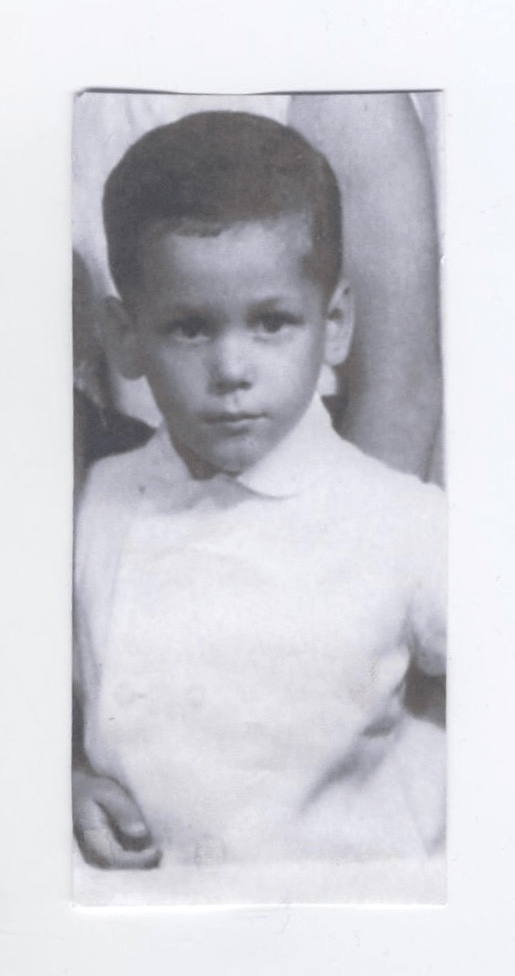
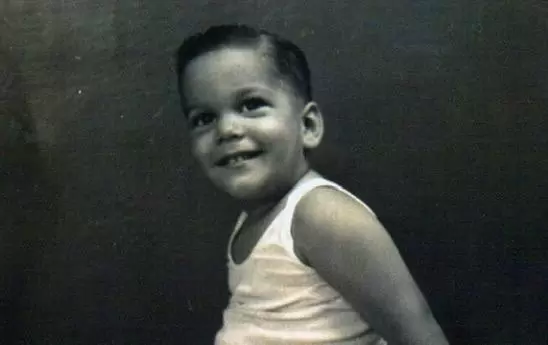
Dieppe early years – Foto by his Grand Father
And very happily, in the midst of all the activities and follies through which parents make their sons and daughters endure- obviously with the best intentions and thinking that in some way they will be rewarded, (certainly an ad hoc result) in between travel and family social acts rather boring- Dieppa continued happily with the guidance and example of the affectionate grandfather. Not only did they have music in common, he taught how drive a car at an early age (9 years), he gave all the necessary and possible indications that he thought were indispensable for a young man to be to at least know something about the good handling and treatment of the opposite gender, (the matter was not commonly discussed at home), saying on both occasions, ‘what is not learned at an early age is not learned well.’
The small work ‘overalls’ were growing and the grandfather’s turn for the long break we all will eventually take, then young Dieppa was left without a companion and guide. Again, full-time in the family where there were too many people interested in everything but creative and artistic activities, this very young man set out on his way to where his instinct guided him.
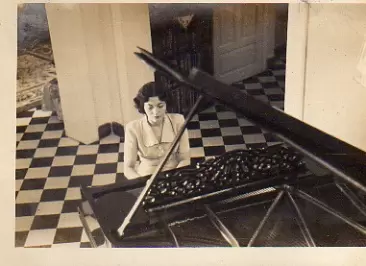
VIOLY DIEPPA AT STEINWAY
PIANO CIRCA 1950 – VACATIONING FROM BRENTWOOD, NY – Instrument previously owned by The Duke of Mompox.
In this milieu, in the midst of the pain of the loss of his good friend, grandpa Dieppa, he began to seek his own musical artistic expression synesthetically, subconsciously. From this experience, through the inescapable search, with the tools of good luck, the good energy of good friends, contemporary colleagues, and his new friend Maria Luisa Mazhari (y) – was born Sinfonia Latina – a new future musical genre.
Barranquilla and the Colombian Caribbean were ideal for creative adventures, rock bands were all accessible, orchestras and indigenous, Caribbean and popular groups still preserved their originality, the substance and ingenuity with which they began; Nothing was too far away, there was classical culture, and the ‘avante-guarde’ was fierce and enterprising in its turn. So much so that not only people like Mauricio Zapata, Norman Mejía, engendered creative energy but the literary framework of Cepeda Samudio and Garcia Marquez were in full swing. Visual artists like Obregon, Barrios, then Lockhardt and many others gave vitality to a city in search of its own expression. This group had staged what is called the ‘New Caribbean’, the awakening of the most recent permutation of creative multi-culture, giving a new social opening, creative flow, ushering a real latin symphony and the creation in music of Sinfonia Latina. (Contemporary rock bands: Concha y Coco · Colores del tiempo · Delirium tremens · Daccarett’s blues band · Mancini’s band, Gianfranco Gerosa and Dario Jaramillo rock & blues)
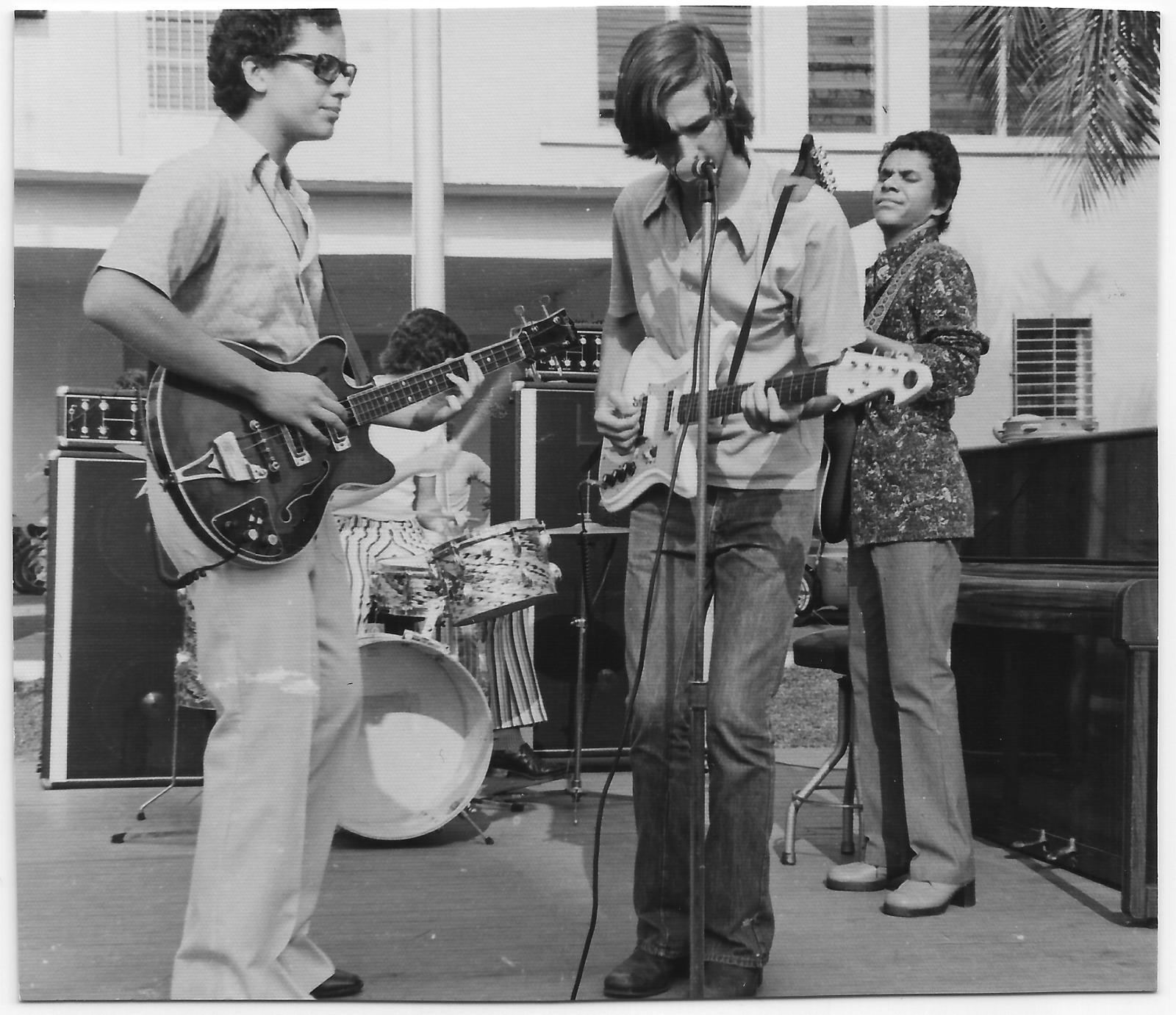
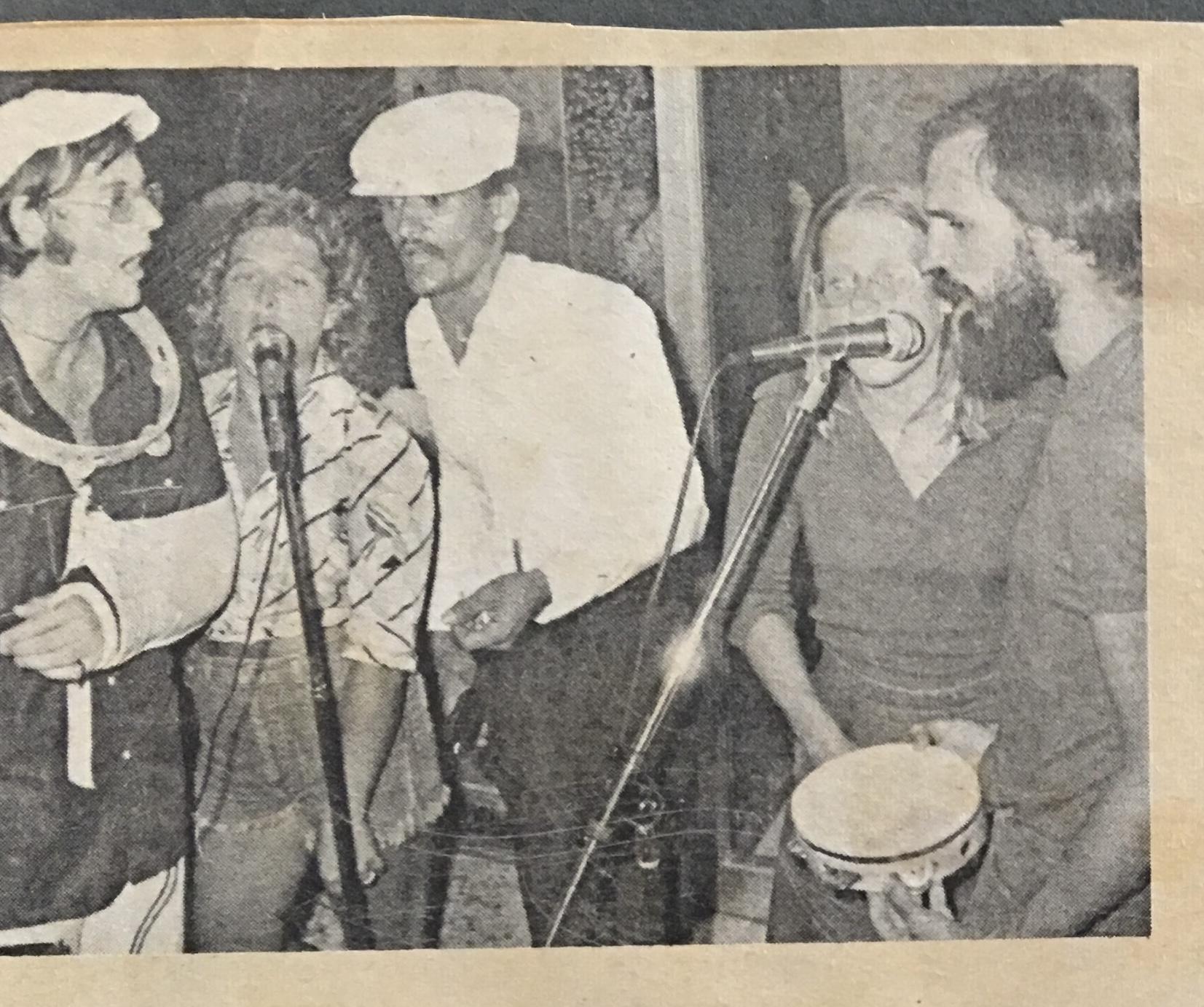
Dieppe, Gianfranco Gerosa , Leonardo Borrero, Oscar Diago Trap set – Dlirium Trements Band-
Colegio Karl Parish- Flag raising Ceremony
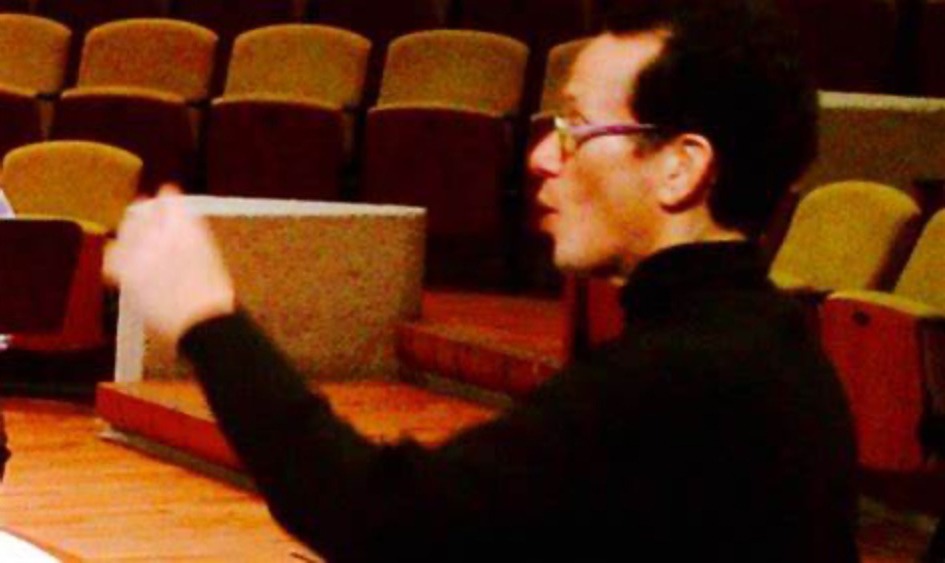
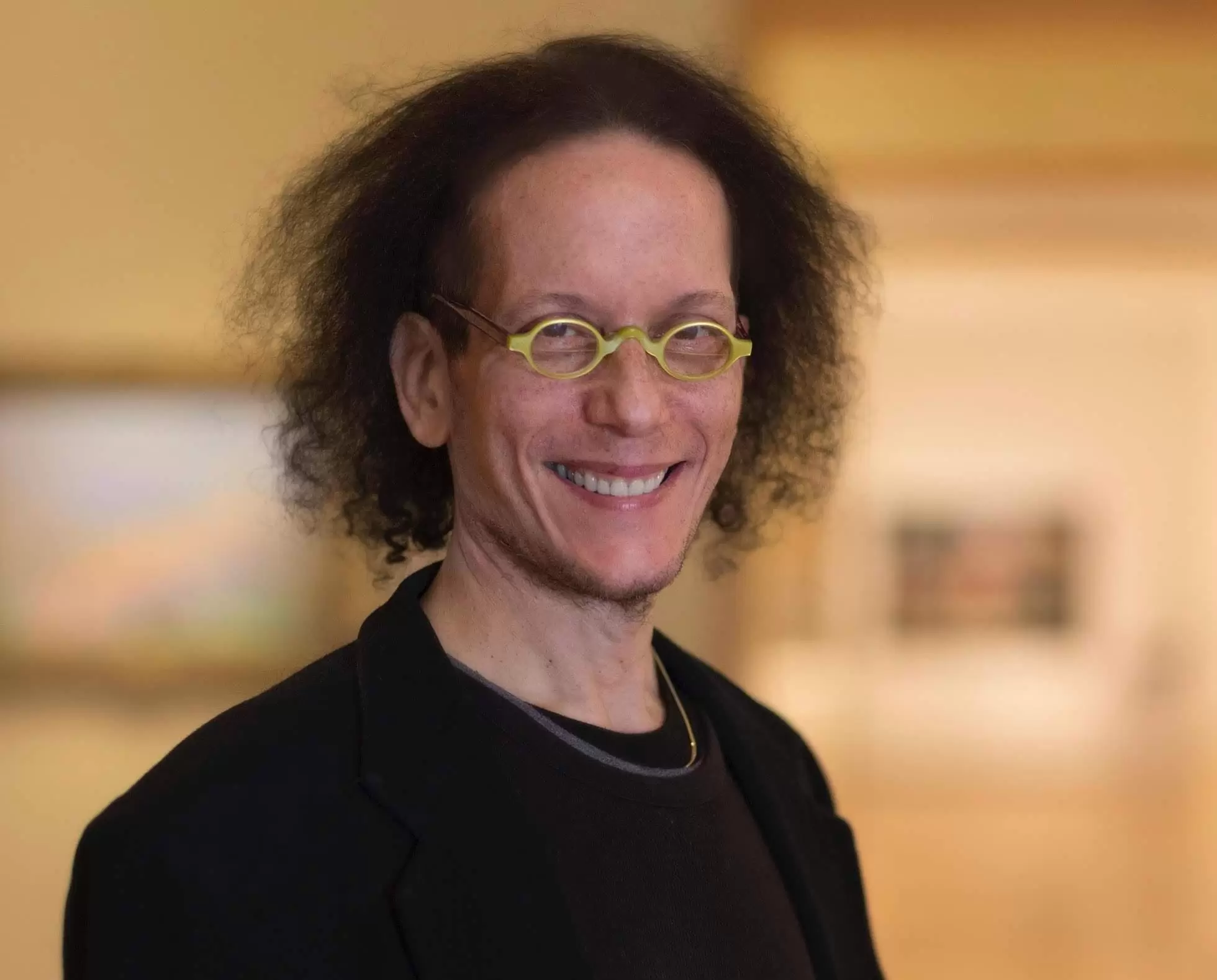
Roberto McCausland Dieppe
Rehearsal: conducting the Barlovento Santa Fe
2006 – 2010 TOWARDS COMPOSITION
Sinfonia Latina had developed Dieppa’s multi-sensorial experience. Bringing Caribbean musical life into a formal theatre demanded a Synesthetic approach- an all-encompassing multi-dimensional, emotional involving, communicative intensely sensuous, performance, not unlike a great relationship. Sensuality and sensitivity experienced with Heidi, both Caribbeans by birth, energized Dieppa into taking the ‘Neue Caribbean music’ to the world.
Recording is an art and starting 2011, working on Beethoven Autumn Passion, and Deep Late night encores I, II albums became a priority. Classical Caribbean was already in the works, Dieppa felt strongly that it was necessary to give due to the music which had served him and his public well during so many performances. Eleven cds were recorded between through 2013, programmed to be released in a timed sequence by Phoenix Classical staring autumn of 2014.
Dieppa’s interpretations are accurate, sensitive, yet rhythmically driving-classics for the new ‘Great Generation’, referring to K.D. Russels’s comments on September 5, 2014- NPR/WSCL blog. New fresh energetic performances. Beethoven’s great three sonatas became a resounding radio hit- a brooding ‘appassionata,‘ the fiery last movement of the ‘Moonlight‘, an impeccable ‘Das Wiedersehen”,…. ‘an experience not to be missed’ said reviewer Jerry Dubins- Fanfare Magazine; ‘Late Night Encores II’, a late night radio favorite , with a ‘compelling’ Liebesträume, two ‘inspirations’ Besame mucho and Insensatez … Lisztian virtuosity and chromaticism with Latin American sensibility – Franz Wulf commented – International Piano Magazine. WQLN, did qualify the album as a ‘nice blend of easy on the ear compositions. Perfect after Mahler or Wagner’.
Up next ‘ Le Chaleur Estivale ‘ young Dieppa performs Liszt sonata and other favorites, ‘ Love scenes’ a favorite for valentines and romantic occasion, it includes classical Caribe tracks and instrumental ˋsongs´, and perhaps the most difficult toccata ever written for the piano as part of Ravel´s ˋLe Tombeau de Couperin´ a recording dedicated to the ´great generation´ of young people of the world, peace, France and Colombia. Between 2008-2014, a series of interviews and performances recorded for the general public stressing the importance of music education at the home, regardless of genre or musical inclination. A chapter of the documentary can be enjoyed in YouTube, the music tracks, Music from Documentary, are available. This body of work became available in 2013-2014.
Dieppa’s incessant drive to open classical music to all, particularly kids and adults, became a reality with the series Beethoven for Kids–The adventures of Robelio and Friends. He has always wanted for everyone, every child and young adult to have opportunities not available for him.
Finally, in 2017 the book will become available in hard cover, soft cover, iBooks, ebooks and Kindle editions. The stories, taken from noted events in Beethoven’s life, are specially reworked for the new generations of listeners and readers. Adventurous stories of Robelio, an imaginary character, charm the reader whom have access to narrations in both English and Spanish in which Dieppa’s beautiful speaking voice and piano performance create an emotional bond. An enchanting voyage about a great composer brought into our contemporary world.
Lastly, maybe most important, Caribe, Three Enchanted pieces for orchestra , an album that defines Classico Caribe, its roots and destiny are Caribbean dances in sound and emotion. ‘ I have never heard percussion and an orchestra used in such a manner…. yet u can dance to it…’ N. Peros (July, 2014)
Synesthetic Maturity
Sinfonia Latina had developed Dieppa’s multi-sensorial experience. Bringing Caribbean musical life into a formal theatre demanded a Synesthetic approach- an all-encompassing multi-dimensional, emotional involving, communicative intensely sensuous, performance, not unlike a great relationship. Sensuality and sensitivity experienced with Heidi, both Caribbeans by birth, energized Dieppa into taking the ‘Neue Caribbean music’ to the world.
Recording is an art and starting 2011, working on Beethoven Autumn Passion, and Deep Late night encores I, II albums became a priority. Classical Caribbean was already in the works, Dieppa felt strongly that it was necessary to give due to the music which had served him and his public well during so many performances. Eleven cds were recorded between through 2013, programmed to be released in a timed sequence by Phoenix Classical staring autumn of 2014.
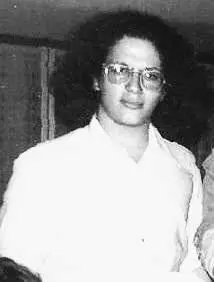
Dieppa’s interpretations are accurate, sensitive, yet rhythmically driving-classics for the new ‘Great Generation’, referring to K.D. Russels’s comments on September 5, 2014- NPR/WSCL blog. New fresh energetic performances. Beethoven’s great three sonatas became a resounding radio hit- a brooding ‘appassionata,‘ the fiery last movement of the ‘Moonlight‘, an impeccable ‘Das Wiedersehen”,…. ‘an experience not to be missed’ said reviewer Jerry Dubins- Fanfare Magazine; ‘Late Night Encores II’, a late night radio favorite , with a ‘compelling’ Liebesträume, two ‘inspirations’ Besame mucho and Insensatez … Lisztian virtuosity and chromaticism with Latin American sensibility – Franz Wulf commented – International Piano Magazine. WQLN, did qualify the album as a ‘nice blend of easy on the ear compositions. Perfect after Mahler or Wagner’.
Up next ‘ Le Chaleur Estivale ‘ young Dieppa performs Liszt sonata and other favorites, ‘ Love scenes’ a favorite for valentines and romantic occasion, it includes classical Caribe tracks and instrumental ˋsongs´, and perhaps the most difficult toccata ever written for the piano as part of Ravel´s ˋLe Tombeau de Couperin´ a recording dedicated to the ´great generation´ of young people of the world, peace, France and Colombia.
Between 2008-2014, a series of interviews and performances recorded for the general public stressing the importance of music education at the home, regardless of genre or musical inclination. A chapter of the documentary can be enjoyed in YouTube, the music tracks, Music from Documentary, are available. This body of work became available in 2013-2014.
Dieppa’s incessant drive to open classical music to all, particularly kids and adults, became a reality with the series Beethoven for Kids–The adventures of Robelio and Friends. He has always wanted for everyone, every child and young adult to have opportunities not available for him.
Finally, in 2017 the book will become available in hard cover, soft cover, iBooks, ebooks and Kindle editions. The stories, taken from noted events in Beethoven’s life are specially reworked for the new generations of listeners and readers. Adventurous stories of Robelio, an imaginary character, charm the reader whom have access to narrations in both English and Spanish in which Dieppa’s beautiful speaking voice and piano performance create an emotional bond. An enchanting voyage about a great composer brought into our contemporary world.
Lastly, maybe most important, Caribe, Three Enchanted pieces for orches tra , an album that defines Classico Caribe, its roots and destiny are Caribbean dances in sound and emotion. ‘ I have never heard percussion and an orchestra used in such a manner…. yet u can dance to it…’ N. Peros (July, 2014)
2011-2015 convergence, a new sound, New Caribe, More Music
As artistic maturity converged with character, personality, heart, mind, body and soul, Dieppa’s career started in a new direction, with a new sound, a new audience, essentially a new musical sphere. Rock, thorough jazz training at Alabama with musicians of the Maynard Fergusson band, (see part I of documentary) makes Dieppa a unique fusion. Still performing classical music Tokyo Ginza programs in 2011 and the intensity of recording and building orchestral repertoire during 2012 through mid 2015 renewed artistry and energy.
New challenges of inclusivity, excellence, direct relationship with the great generation of listeners creating exiting and meaningful music are to be met. Taking a forced rest due to an unforeseen ballet accident, an excellent recovery in way, Dieppa recreated his artistic universe with new paths full of stories, experiences and adventures to share. Addressing a new generation, new fans, new cultural values and trends creates a new artistic point of view. Leading into the new requires preparation, deep knowledge of the past ways to create meaningful, exclusive, experiences for everyone involved.
Influences Music –
The two most influential musicians have been Jimi Hendrix and Franz Liszt, none of which Dieppa saw live. The music however, displays a fair influence of Béla Bàrtók. Astor Piazzola, Claude Debussy and Maurice Ravel, Sergei Rachmaninov, Joe Arroyo. Fruko, autochthonous Caribbean music, canaries and Caribbean music , most certainly, Bach, Beethoven, Beatles, Stones, Santana, Clapton, van Halen, Hendrix and Led Zeppelin. Invaluable help for production and writing of Jornal del Caribe HU will be given due.
About the Caribbean, the world and Music
Dieppa developed a series of articles and journals designed to bring forth the rich cultural, musical, artistic Afro-Euro-Mediterranean and Asian heritage and influence. The central motive: Music, Rhythm, language and legends. The musical multi-cultures in the Caribbean, in modern terms, permutated creating yet more greatness. Jornal del Caribe and various other collection sets are available through El Heraldo de Barranquilla and their cultural magazine ‘Latitud’. PCN post has reprinted many of the writings.
Musical influences and the orchestra
The many innovations that Sinfonía Latina produced are more evident in percussion. Coordinated percussion groups of two or three musicians creating responsorial counterpoint against the different family groups of instruments even, vocal parts, create pseudo-african street dance sensation. In Dieppa’s Inspiracion: De una obra sobre el rio Magdalena, strings, horns, rally against a double bass ostinato creating stresses that enhance the clave recurrence of the percussion. A full orchestral suite may require eleven percussionists, yet the listener is never overwhelmed. Mahler and Wagner, Ravel and Debussy well influenced the orchestration. Dieppa has been an ardent student of Liszt’s Faust Symphonie, Mahler VIII, Beethovens’s IX and Wagner’s Tristan und Isolde.
Musical Genre, Sinfonia Latina, ‘Nuevo Caribe’ a spiritual movement
Classical, rock caribe and jazz, in a symphonic architectural format for a diverse yet pop audience was unheard of. The new genre, its performance, the show had expanded social and musical artistic horizons beyond expectations. It opened possibilities for future pop stars, Shakira, Carlos Vives, groups like Fruko, paving way to social acceptability in all stratagem. Musically, it elevated Caribbean and autochthonous music above the ‘streets’, ‘casetas’ , the red bar district, into venues of repute. Musically it opened a world of sounds and possibilities for the first time never imagined. From Gloria Estefan’s, Shakira’s, Juan Miguel’s , Michelle Camilo’s arrangements, through the carefully layered sounds of Yanni, Sinfónia Latina stands as the first intrepid, avant-garde, yet clearly an early master piece in its own genre. The spiritual movement is beginning for this generation.