

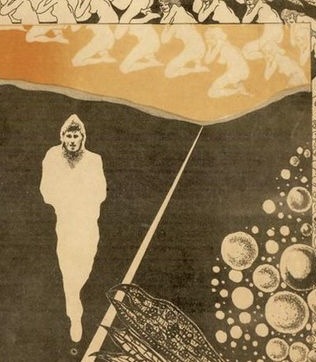
Index: Sinfonia Latina Historical Files:
Journal Critical Writing and Reviews
Journal Music Event Reference
Journal Other Referenced Writing and Reviews
Journal Unreferenced Writings and Reviews
Sinfonia Latina Relevant Articles-Recent Writing
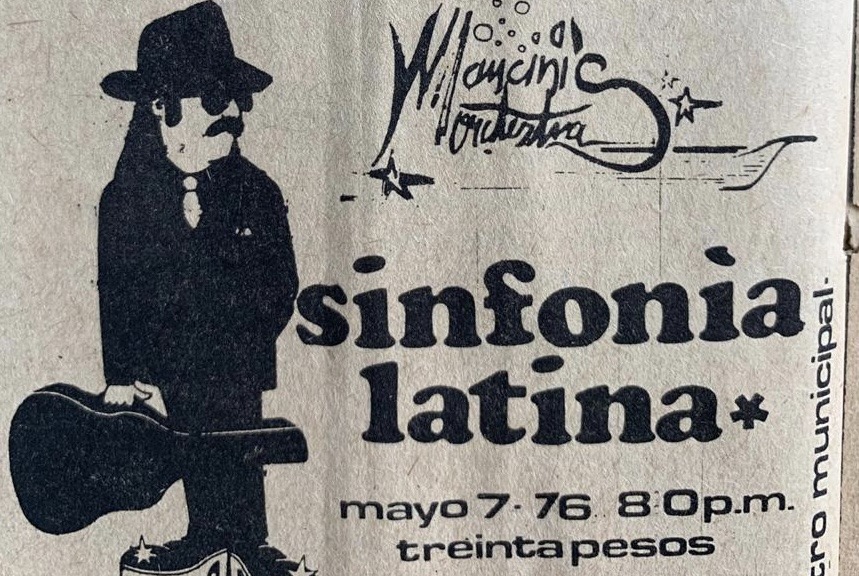
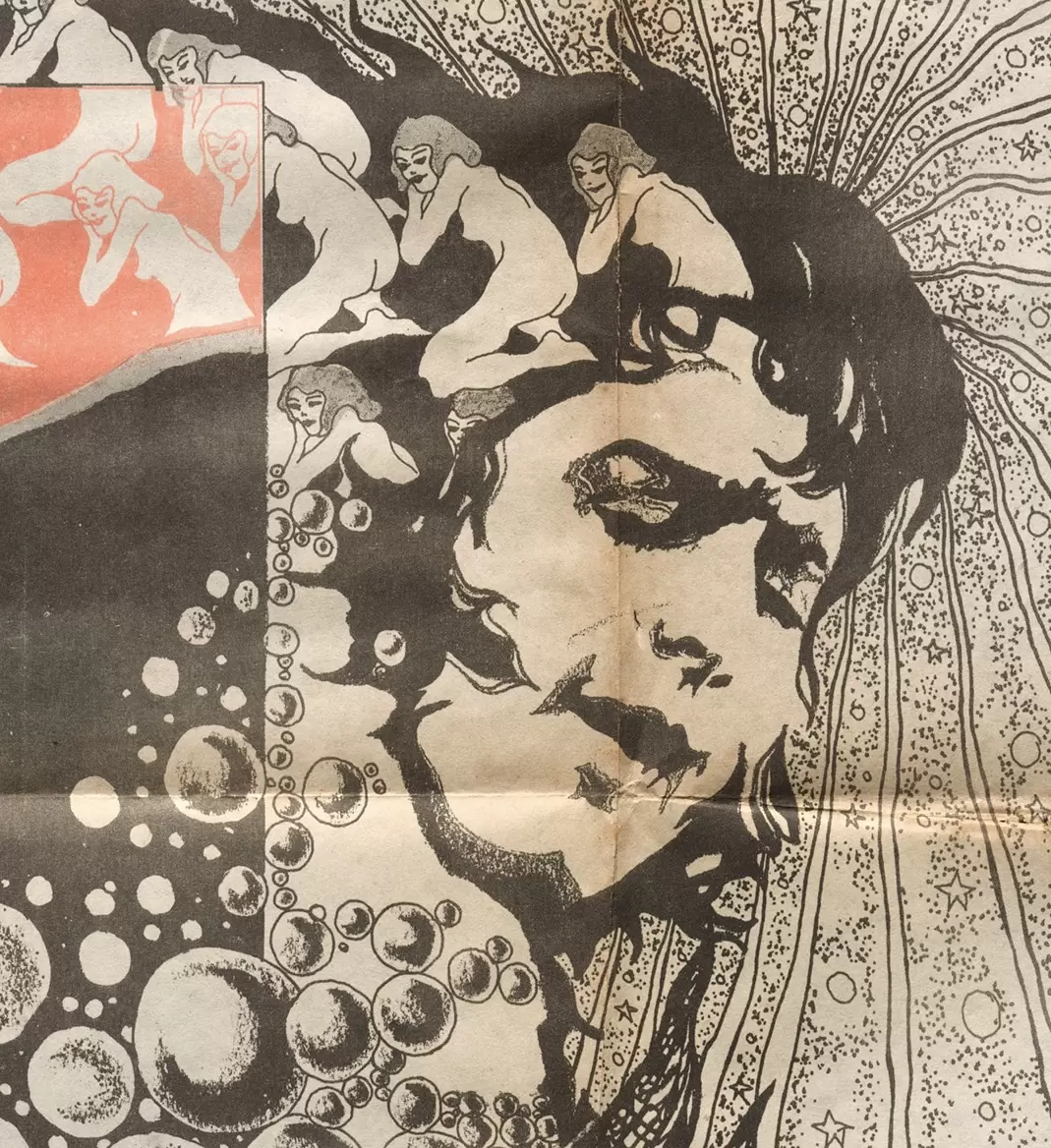
Sinfonia Latina Posters
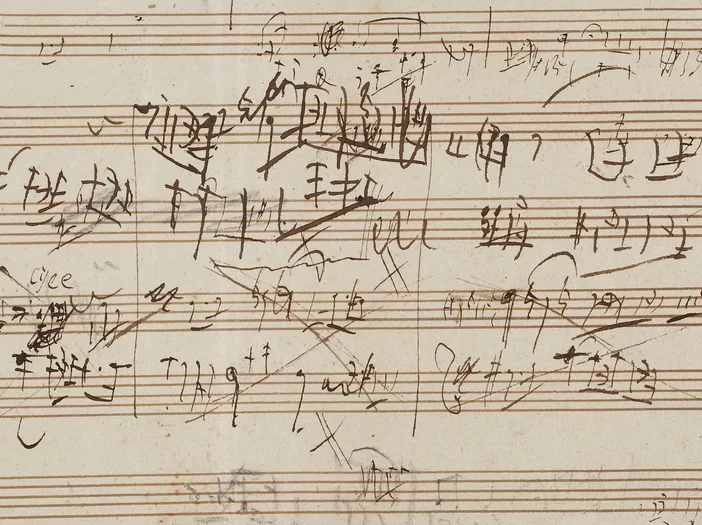
Sinfonia Latina Original Music Manuscript
Sinfonia Latina Original Poem
Sinfonia Latina Original Video Film
Additional Documents
Bibliography, references.
Courtesy of:Archivo Historico del Departamento del Atlantico- Fondo Prensa
Diario del Caribe
Archivo Historico El Heraldo – Emeroteca Diario El Heraldo
Miguel Iriarte, Director
Links: http://www.bibliotecapilotodelcaribe.com/
Additional Journals on Caribbean Culture and Music:
Biblioteca del Atlantico Meira del Mar
Beatriz Aguilar, Director
Links:
https://www.iberbibliotecas.org/biblioteca-publica-departamental-meira-delmar/
http://www.atlantico.gov.co/index.php/biblioteca-publica-dptal
Fotos: Courtesy of Filiberto Mancini
Additional Fotos: Courtesy of Ken De Vou
Special Help: Margarita Galindo S. – Author, Journalist, Poetj
Eduardo Posada Carbo – Author, former director Diario del Caribe
Archivo digital, El Tiempo de Bogota, – Goerkel Family
La Ola Caribe, Journal – Colombia,
The Bruno Mancini Family,
Bruno Mancini Alzamora y Marilia, Mancini Tani,
The Pacho Galan Orchestra,
And Philharmonic Orchestra members
Journal Critical Writing and Reviews
Journal Music Event Reference
Journal Other Referenced Writing and Reviews
Journal Unreferenced Writings and Reviews
Sinfonia Latina Relevant Articles-Recent Writing
Sinfonia Latina Posters
Sinfonia Latina Original Music Manuscript
Sinfonia Latina Original Poem
Sinfonia Latina Original Video Film
Additional Documents
Bibliography, references.
Courtesy of:Archivo Historico del Departamento del Atlantico- Fondo Prensa
Diario del Caribe
Archivo Historico El Heraldo – Emeroteca Diario El Heraldo
Miguel Iriarte, Director
Links: http://www.bibliotecapilotodelcaribe.com/
Additional Journals on Caribbean Culture and Music:
Biblioteca del Atlantico Meira del Mar
Beatriz Aguilar, Director
Links:
https://www.iberbibliotecas.org/biblioteca-publica-departamental-meira-delmar/
http://www.atlantico.gov.co/index.php/biblioteca-publica-dptal
Fotos: Courtesy of Filiberto Mancini
Additional Fotos: Courtesy of Ken De Vou
Special Help: Margarita Galindo S. – Author, Journalist, Poetj
Eduardo Posada Carbo – Author, former director Diario del Caribe
Archivo digital, El Tiempo de Bogota, – Goerkel Family
La Ola Caribe, Journal – Colombia,
The Bruno Mancini Family,
Bruno Mancini Alzamora y Marilia, Mancini Tani,
The Pacho Galan Orchestra,
And Orchestra members
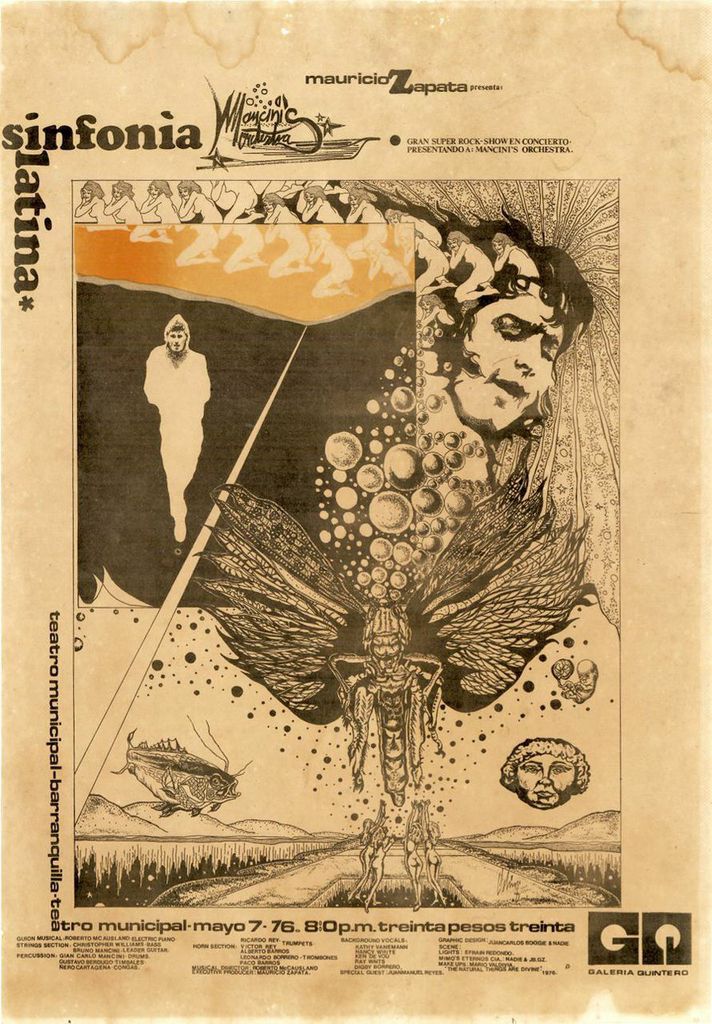
Sinfonia Latina Musical Event
Roberto McCausland Dieppa Composer Conductor Pianist Musical Director The Mancini’s
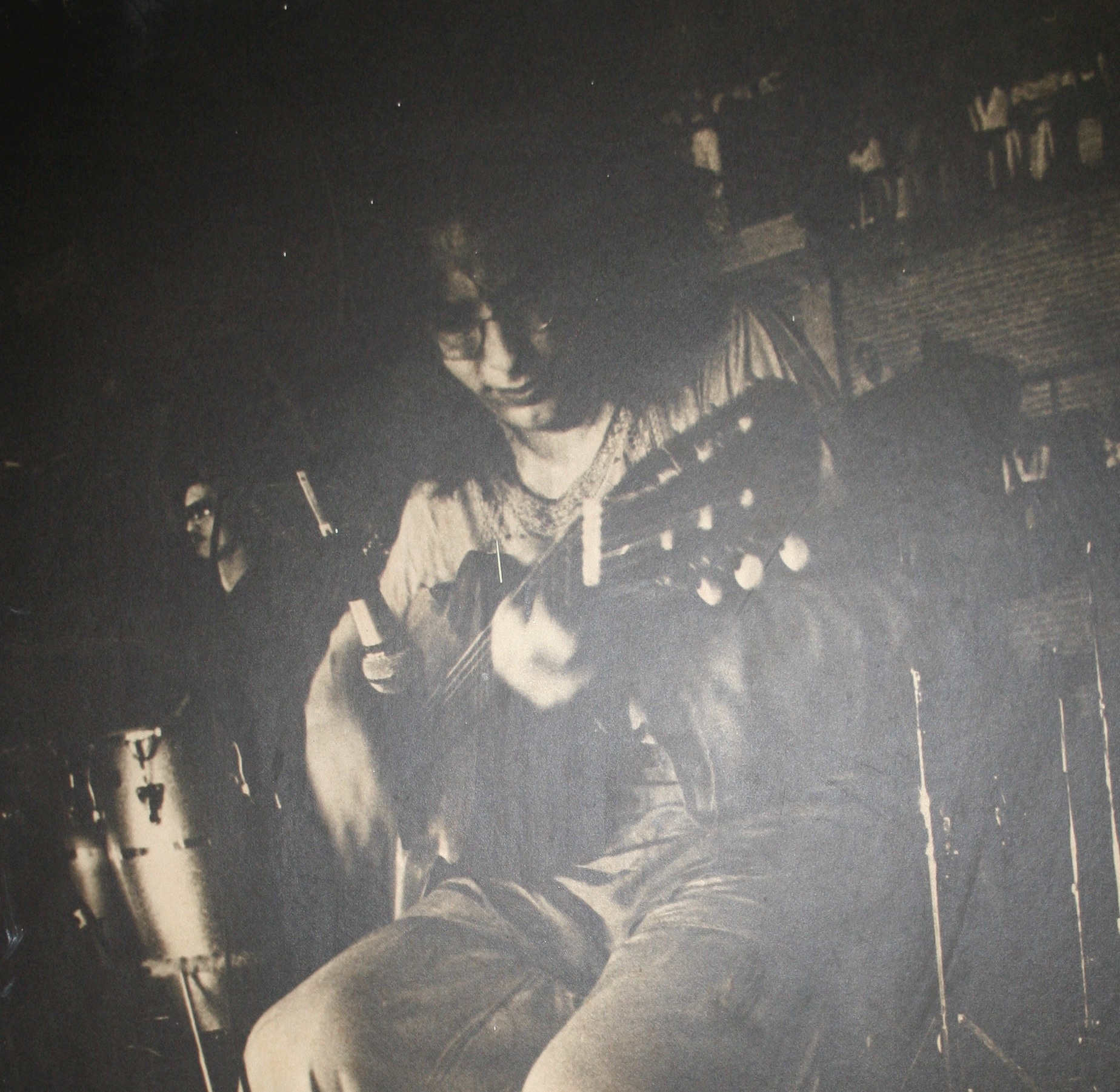
Orchestra-Band- Barranquilla, Colombia Bruno Mancini guitarrista Jean Carlo Mancini baterista y percusionista Christopher Williams bajista Gustavo Berdugo timbales Ñero Cartagena.
Congas Ricardo Rey y Victor Rey, trompetas y cornos, Alberto Barros, Leonardo Borrero y Paco Barros, trombones Kathie Vaneman Nancy Blanco Ray Watts Ken de Vou.
Dioby Borrero coros Juan Manuel Reyes, invitado especial (interpretación de Preludios de Bach), Odin Arregocés (Juan Carlos Buggi) diseño gráfico Socorro de Arregocés (Nadie) performance Efraín Perdomo luminotécnico Mario Valderrama maquillaje Salsa Singer Fabio – anonymous Produced by: Mauricio Zapata Hoyos.
Journal Critical Writing and Reviews
The Pilot Public Library’s newspaper archive. Hemeroteca ,contains magazines, articles, news, about Sinfonia Latina.
The collection covers all areas of knowledge, publications 19th century to the present.
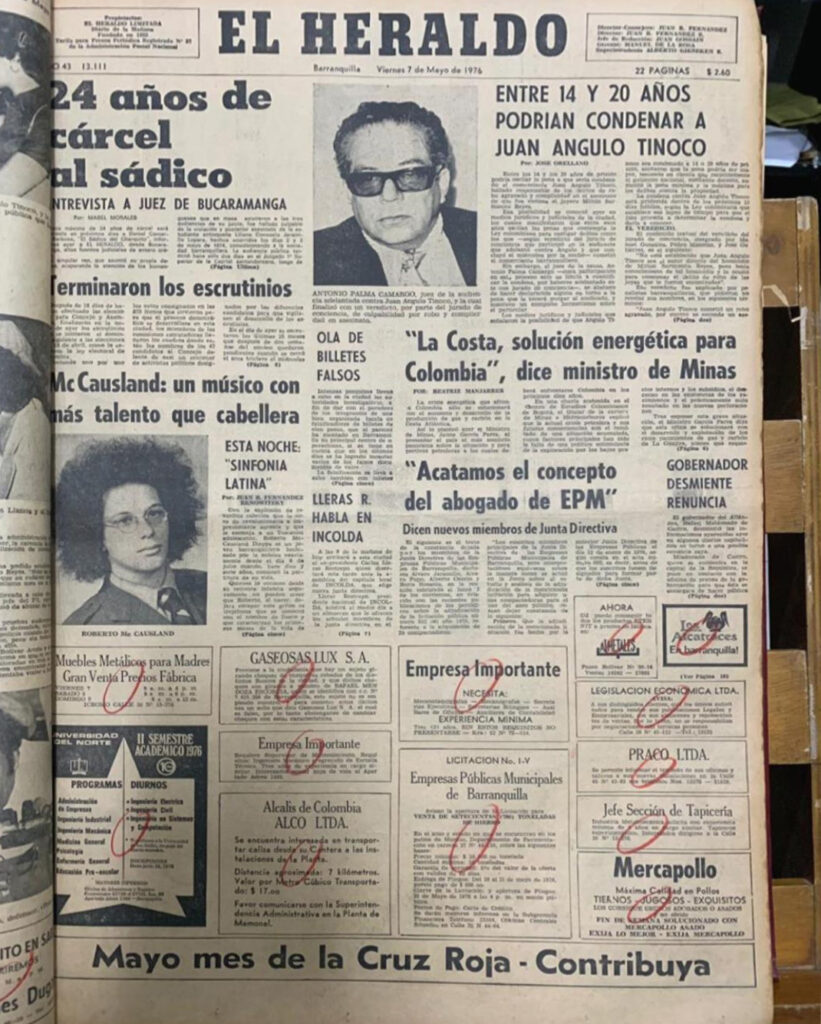
Title: McCausland: Un musico con mas talento que caballera. Author: Juan B Fernandez Renowitzky. Date of publication: May 7,1976. Journal: El Heraldo de Barranquilla. Comments: Program content. p. 2/2
5. Renowitzky, Juan B. Fernandez (May 7, 1976). “McCausland; un musico con mas a thlento que caballera” [McCausland a musician with more talent than hair]. El Heraldo (in Spanish). Barranquilla Colombia. pp. 1, 5. Retrieved 2020-02-08.
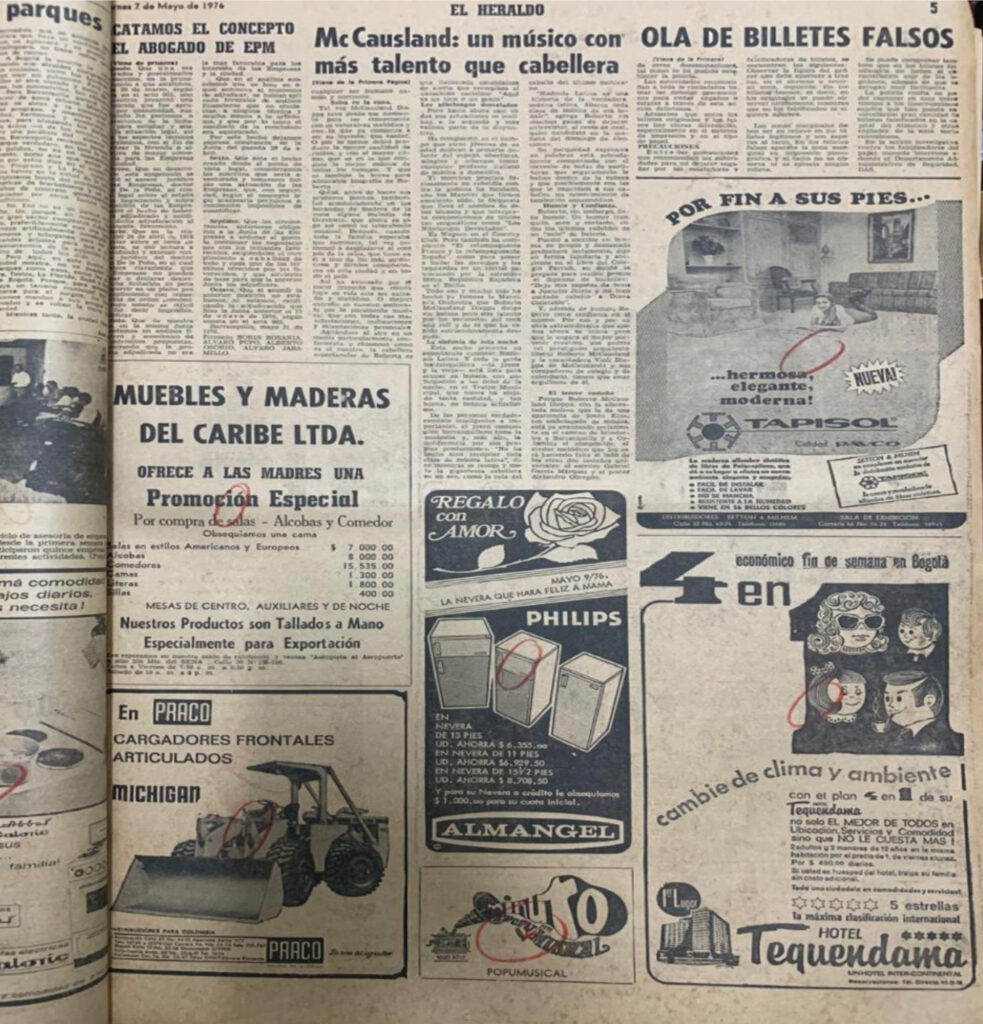
Title: McCausland: Un musico con mas talento que caballera. Author: Juan B Fernandez Renowitzky. Date of publication: May 7,1976. Journal: El Heraldo de Barranquilla. Comments: Program content. p. 2/2
The Pilot Public Library’s newspaper archive. Hemeroteca ,contains magazines, articles, news, about Sinfonia Latina.
The collection covers all areas of knowledge, publications 19th century to the present.
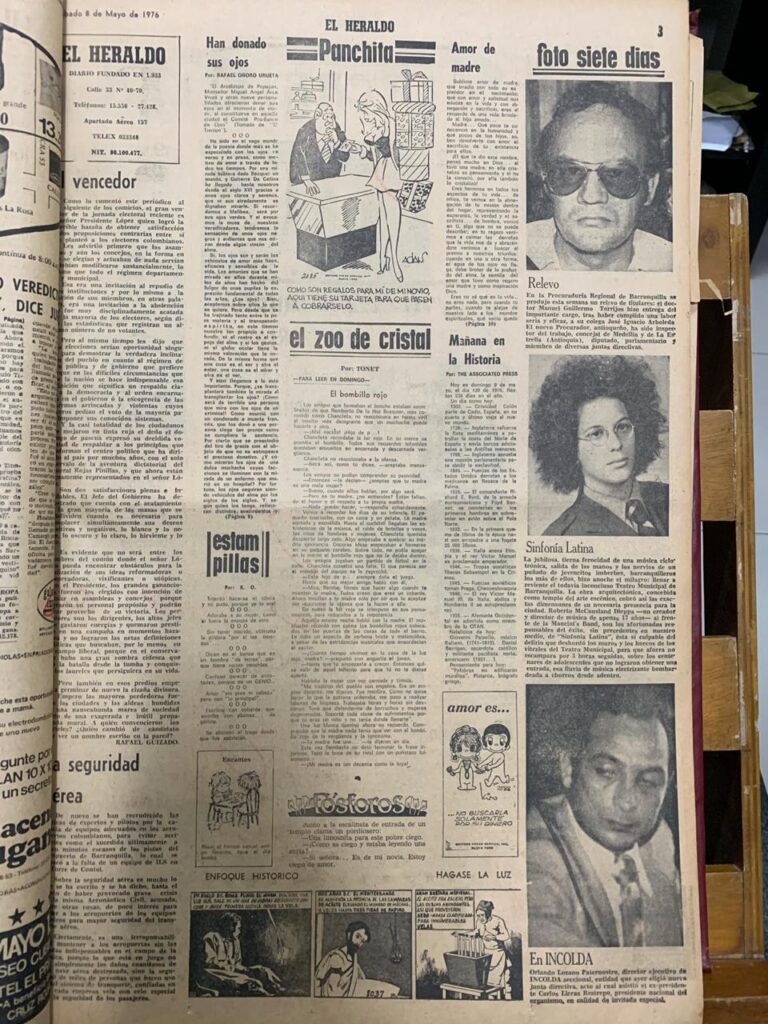
Title: Sinfonia Latina. Author: Editor: Juan Gozain. Date of Publication: May 8, 1976. Journal: El Heraldo de Barranquilla. Comments: Program commentary. p.3
The Pilot Public Library’s newspaper archive. Hemeroteca ,contains magazines, articles, news, about Sinfonia Latina.
The collection covers all areas of knowledge, publications 19th century to the present.
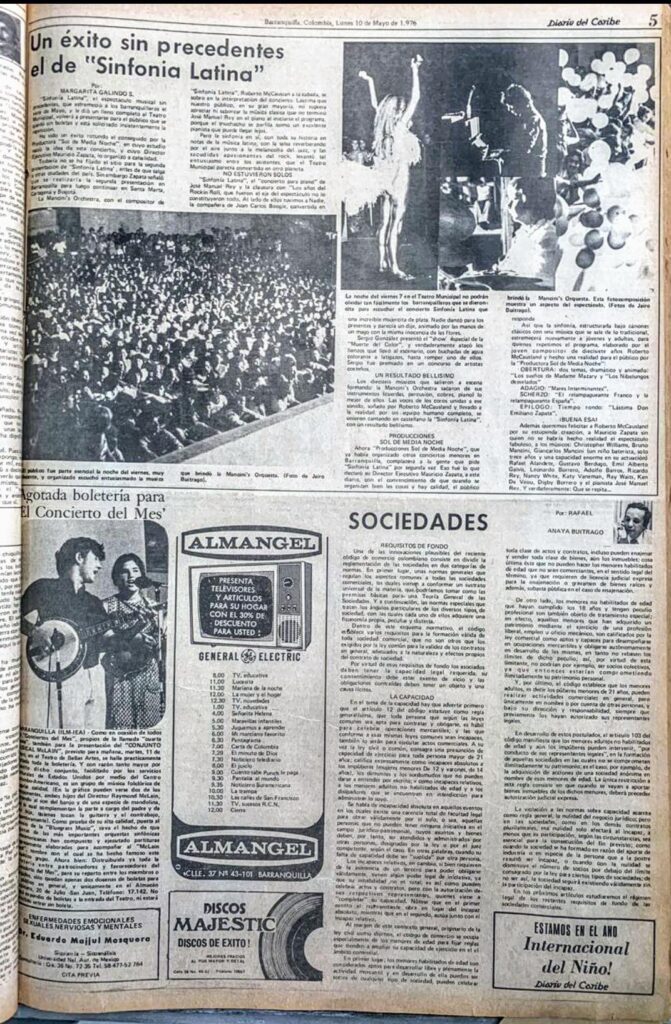
Title: Un exito sin precedentes el de Sinfonia Latina. Author: Margarita Galindo S. Date of Publication: May 10, 1976. Journal: El Diario del Caribe de Barranquilla. Comments: Program review. p.5
The Pilot Public Library’s newspaper archive. Hemeroteca ,contains magazines, articles, news, about Sinfonia Latina.
The collection covers all areas of knowledge, publications 19th century to the present.
1. Galindo, Margarita (May 7, 1976). Renowitzky, Juan (ed.). “Un exito sin precedente”. El Heraldo. Barranquilla Colombia: Diario del Caribe.
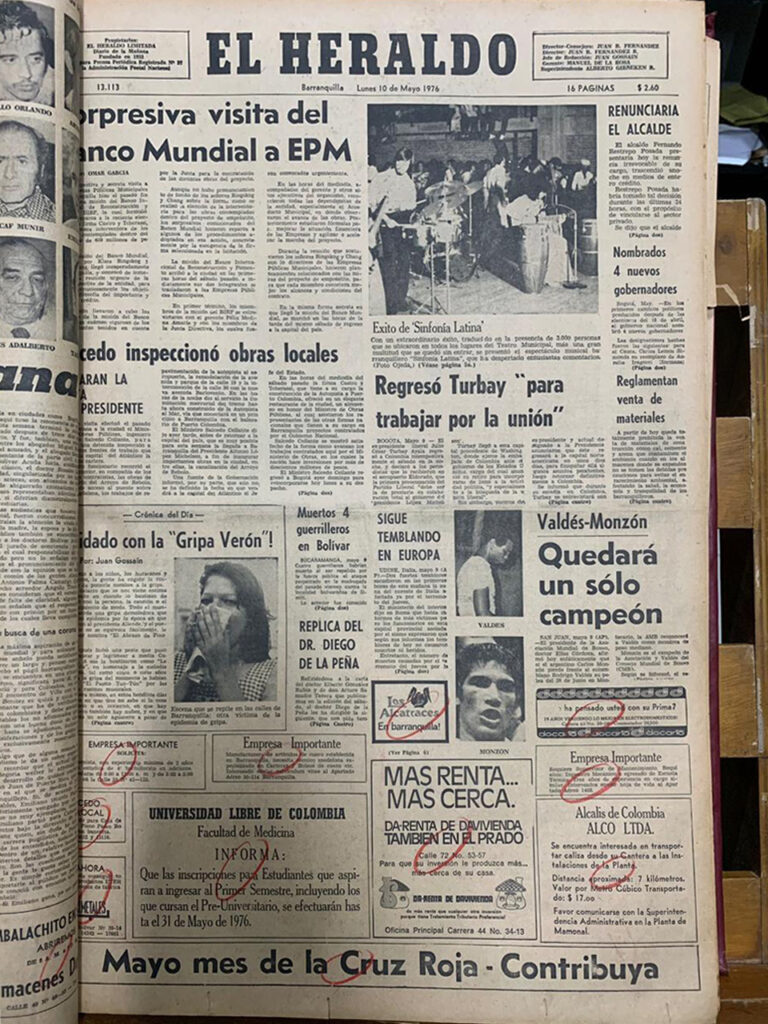
Title: Todo un exito de Sinfonia Latina. Author: Gloria Arguelles. Date of Publication: May 10, 1976. Journal: El Heraldo de Barranquilla. Comments: Program review. p. ½
The Pilot Public Library’s newspaper archive. Hemeroteca ,contains magazines, articles, news, about Sinfonia Latina.
The collection covers all areas of knowledge, publications 19th century to the present.
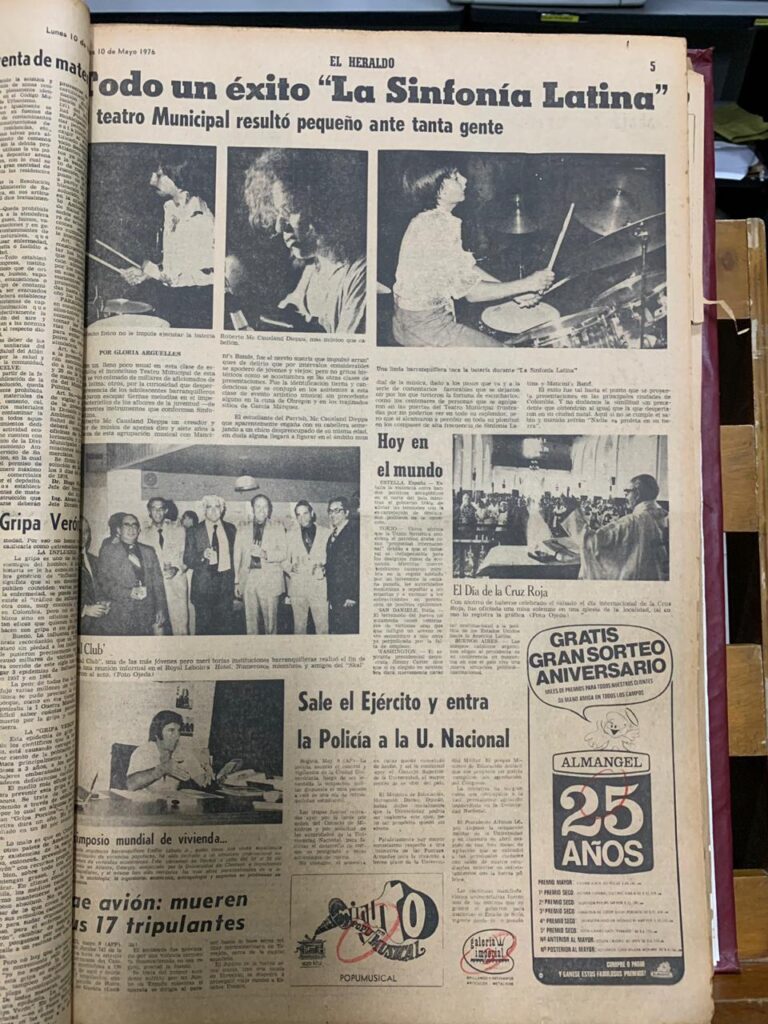
Title: Todo un exito Sinfonia Latina. Author: Gloria Arguelles. Date of Publication: May 10, 1976. Journal: El Heraldo de Barranquilla. Comments: Program review. p.2/2
The Pilot Public Library’s newspaper archive. Hemeroteca ,contains magazines, articles, news, about Sinfonia Latina.
The collection covers all areas of knowledge, publications 19th century to the present.
2. Heraldo (in Spanish). Barranquilla Colombia. p. 5. Retrieved 2020-02-08.Arguelles, Gloria (May 10, 1976). “Todo un éxito “La Sinfonia Latina” “El teatro Municipal resultó pequeño ante tanta gente”” [A complete success “The Latin Symphony” “The Municipal Theater appeared small with so many people”].
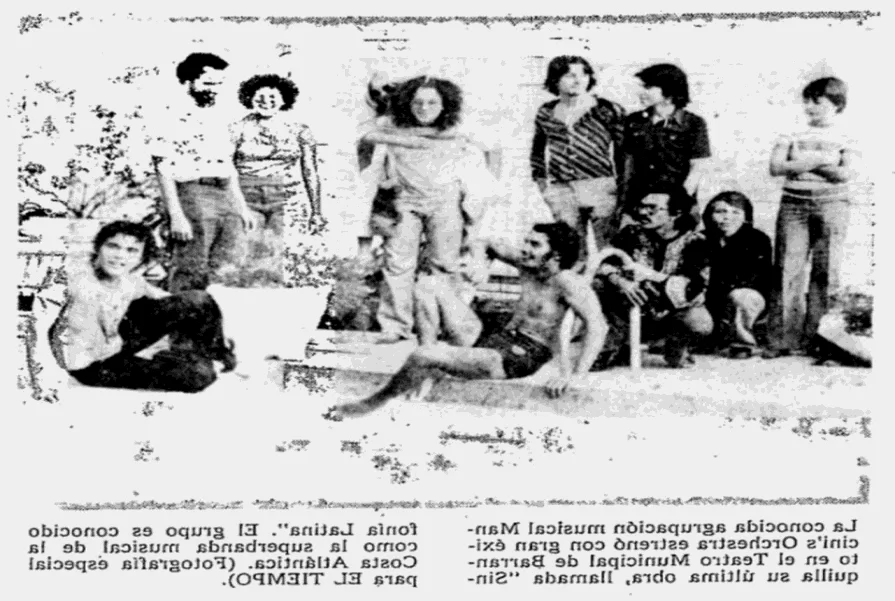
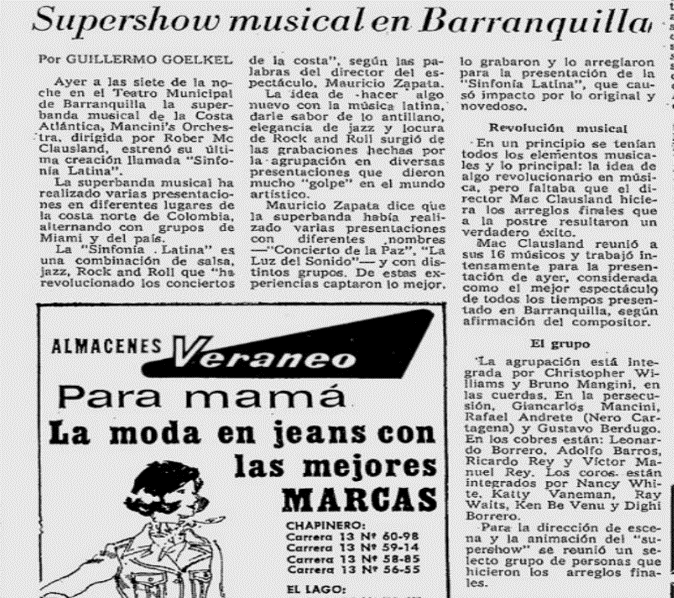
Title: Supershow Musical en Barranquilla. Author: Guillermo Goerkel. Journal: El Tiempo de Bogata. Date of Publication: May 8, 1976. Comments: Program review. p. 15
The Pilot Public Library’s newspaper archive. Hemeroteca ,contains magazines, articles, news, about Sinfonia Latina.
The collection covers all areas of knowledge, publications 19th century to the present.
3. Goelkel, Guillermo (May 8, 1976). “Supershow musical en Barranquilla” [Music Festival in Barranquilla]. Google News (in Spanish). El Tiempo. Retrieved 2019-08-09.
Journal Music Event Reference
The Pilot Public Library’s newspaper archive. Hemeroteca ,contains magazines, articles, news, about Sinfonia Latina.
The collection covers all areas of knowledge, publications 19th century to the present.
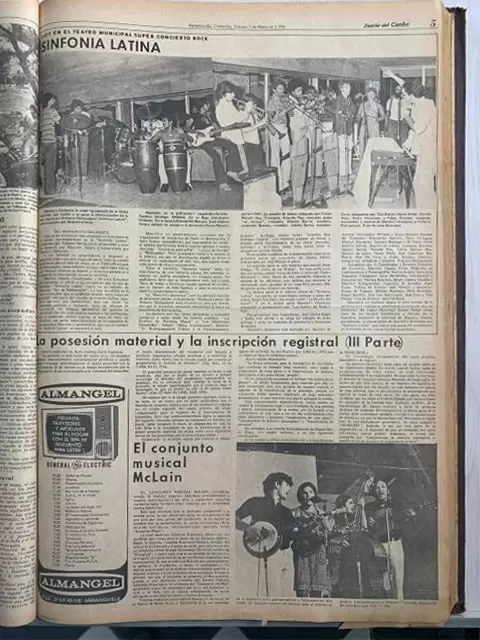
Title: Sinfonia Latina. Author: Margarita Galindo S. Date of publication: May 7, 1976. Journal: Diario del Caribe de Colombia. Comment: Program/Event Sinfonia Latina Municipal Theater Attributions. p.5
The Pilot Public Library’s newspaper archive. Hemeroteca ,contains magazines, articles, news, about Sinfonia Latina.
The collection covers all areas of knowledge, publications 19th century to the present.
19. Galindo Steffens, Margarita (May 7, 1976). “Sinfonia Latina”. Diario del Caribe.
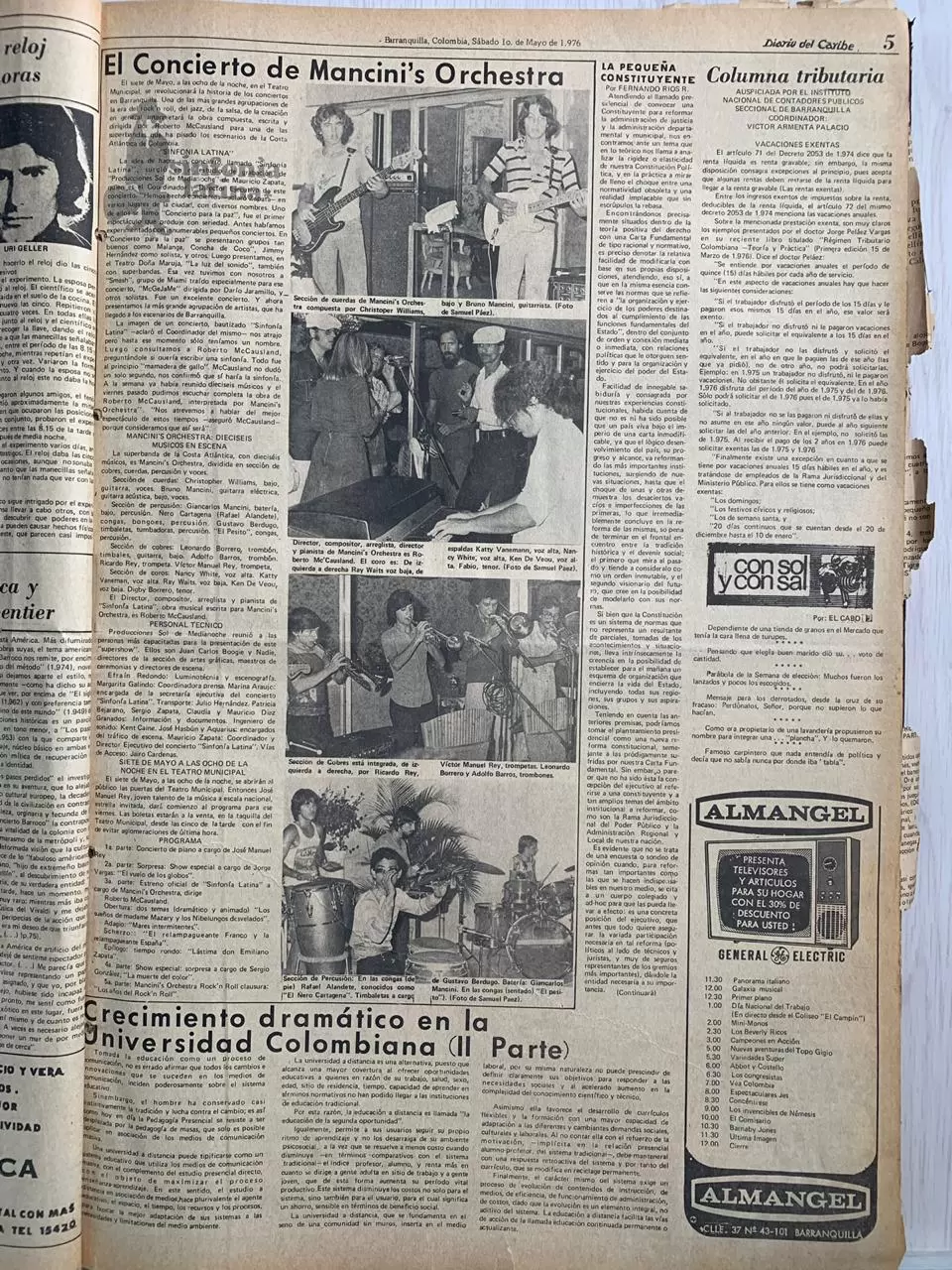
Journal: Diario del Caribe de Barranquilla. Comments: Sinfonia Latina Program/Event Municipal Theatre-Attribution. p. 5
The Pilot Public Library’s newspaper archive. Hemeroteca ,contains magazines, articles, news, about Sinfonia Latina.
The collection covers all areas of knowledge, publications 19th century to the present.
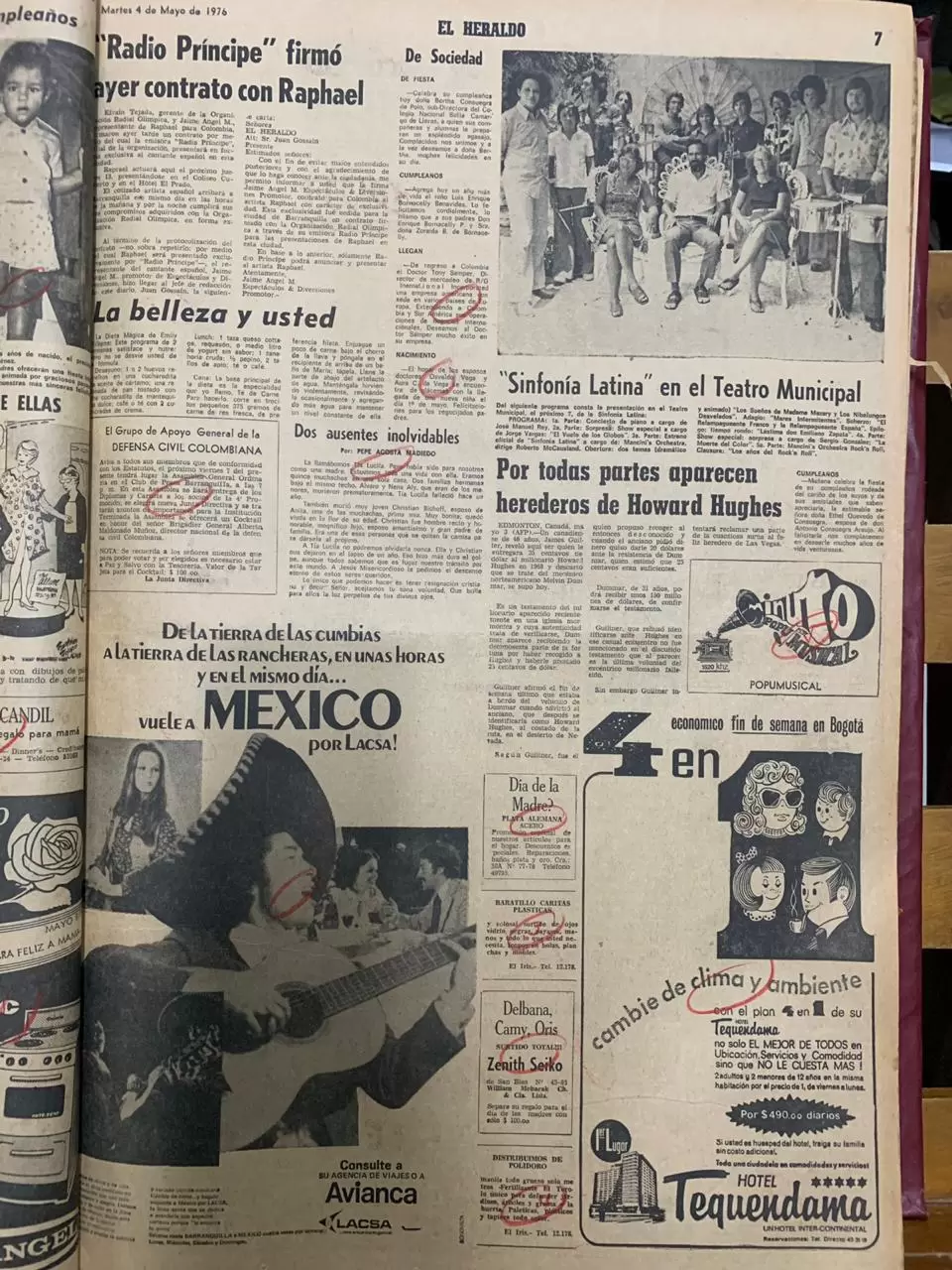
Title: Sinfonia Latina en el Teatro Municipal. Author: Juan Gozain. Date of Publication: May 6, 1976. Journal: El Heraldo de Barranquilla p.7
The Pilot Public Library’s newspaper archive. Hemeroteca ,contains magazines, articles, news, about Sinfonia Latina.
The collection covers all areas of knowledge, publications 19th century to the present.
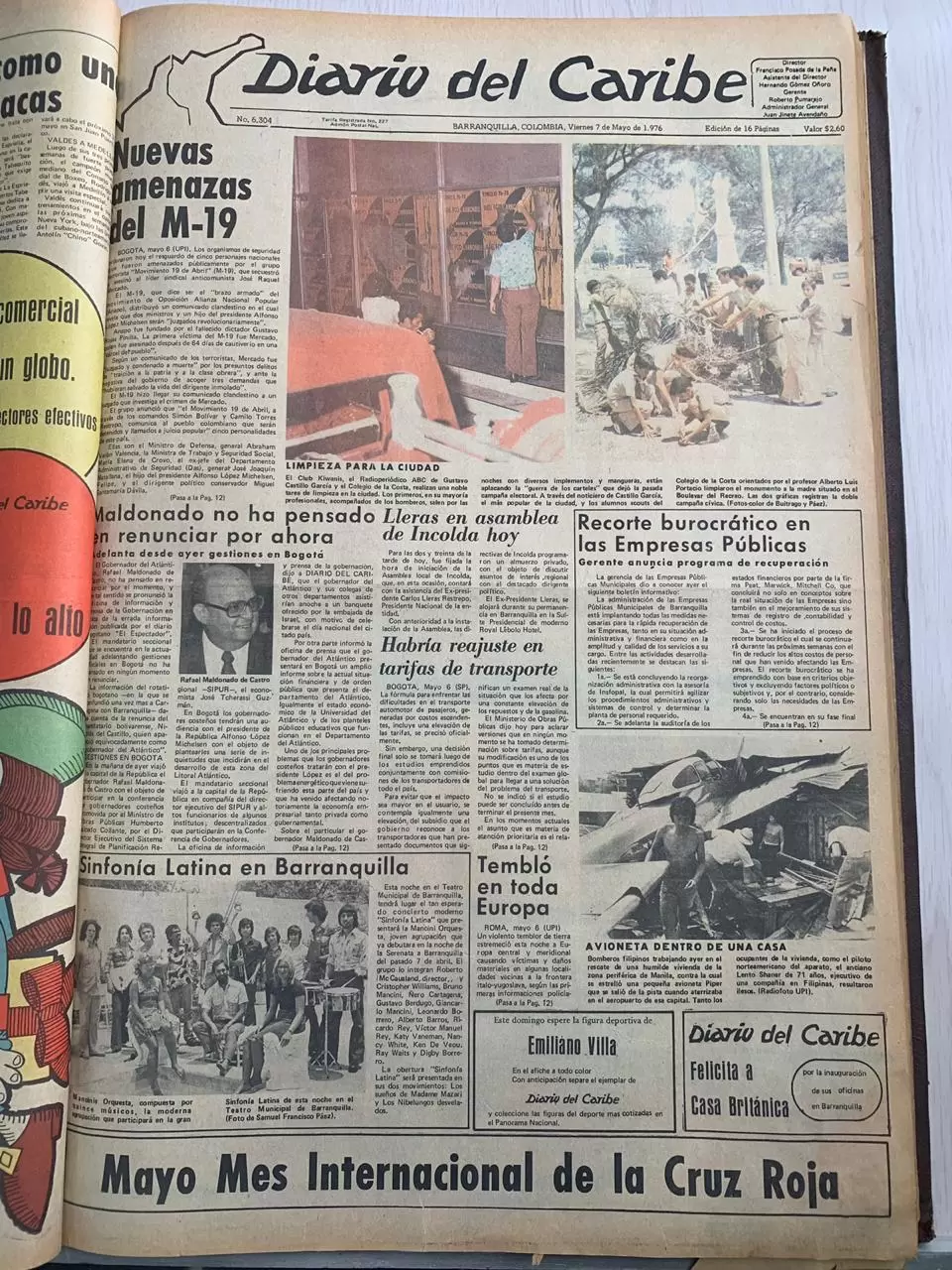
Title: Sinfonia Latina en Barranquilla. Author: Francisco Posada de la Pena, Director. Date of Publication: May 7, 1976. Journal: El Diario del Caribe de Barranquilla. Comments: Sinfonia Latina program event p.1
The Pilot Public Library’s newspaper archive. Hemeroteca ,contains magazines, articles, news, about Sinfonia Latina.
The collection covers all areas of knowledge, publications 19th century to the present.
Journal Other Referenced Writing and Reviews
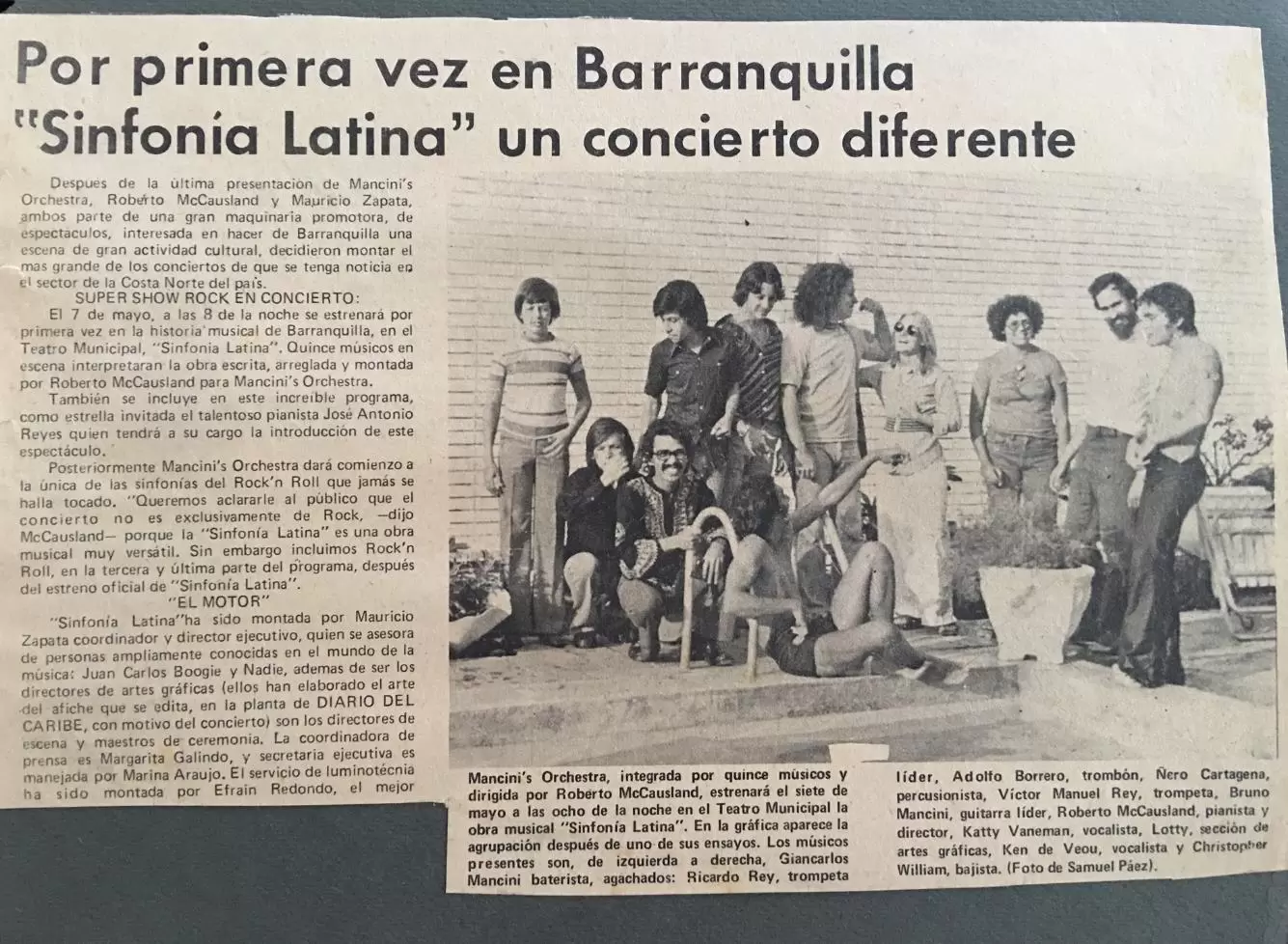
Title: Unknown Source. Author: Unknown. Date of Publication: Unknown. Journal: Unknown. Comments: Super Show Announcement.
Title: Sinfonia Latina a Barranquilla. Author: Unknown. Date of Publication: Unknown. Journal: Unknown. Comments: Sinfonia Latina Salsa singer in hat.
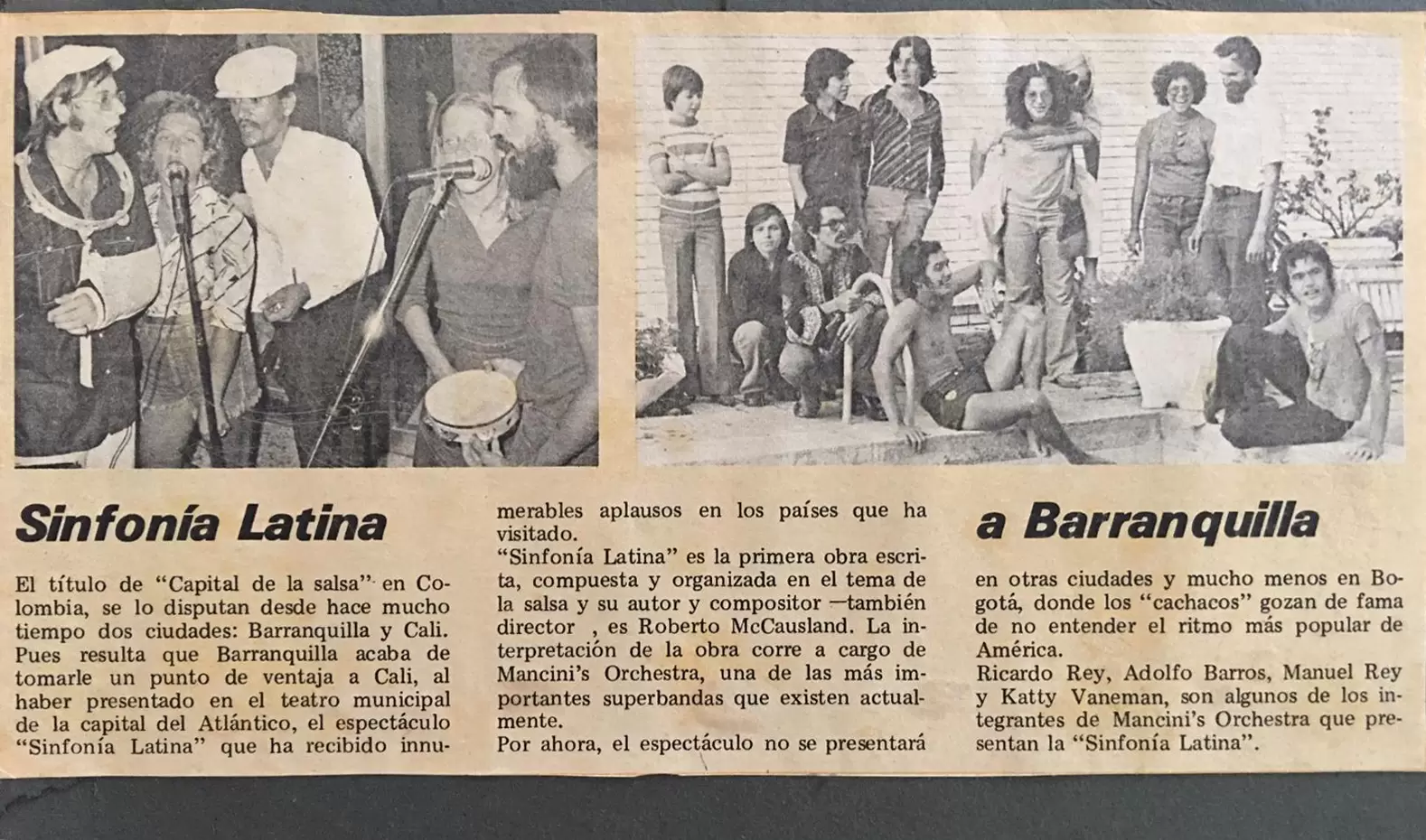
Title: Sinfonia Latina a Barranquilla. Author: Unknown. Date of Publication: Unknown. Journal: Unknown. Comments: Sinfonia Latina Salsa singer in hat. – ( Revista Cromos )
8. Gozain, Juan (May 7, 1976). “Sinfonia Latina”. Diario del caribe: 5.
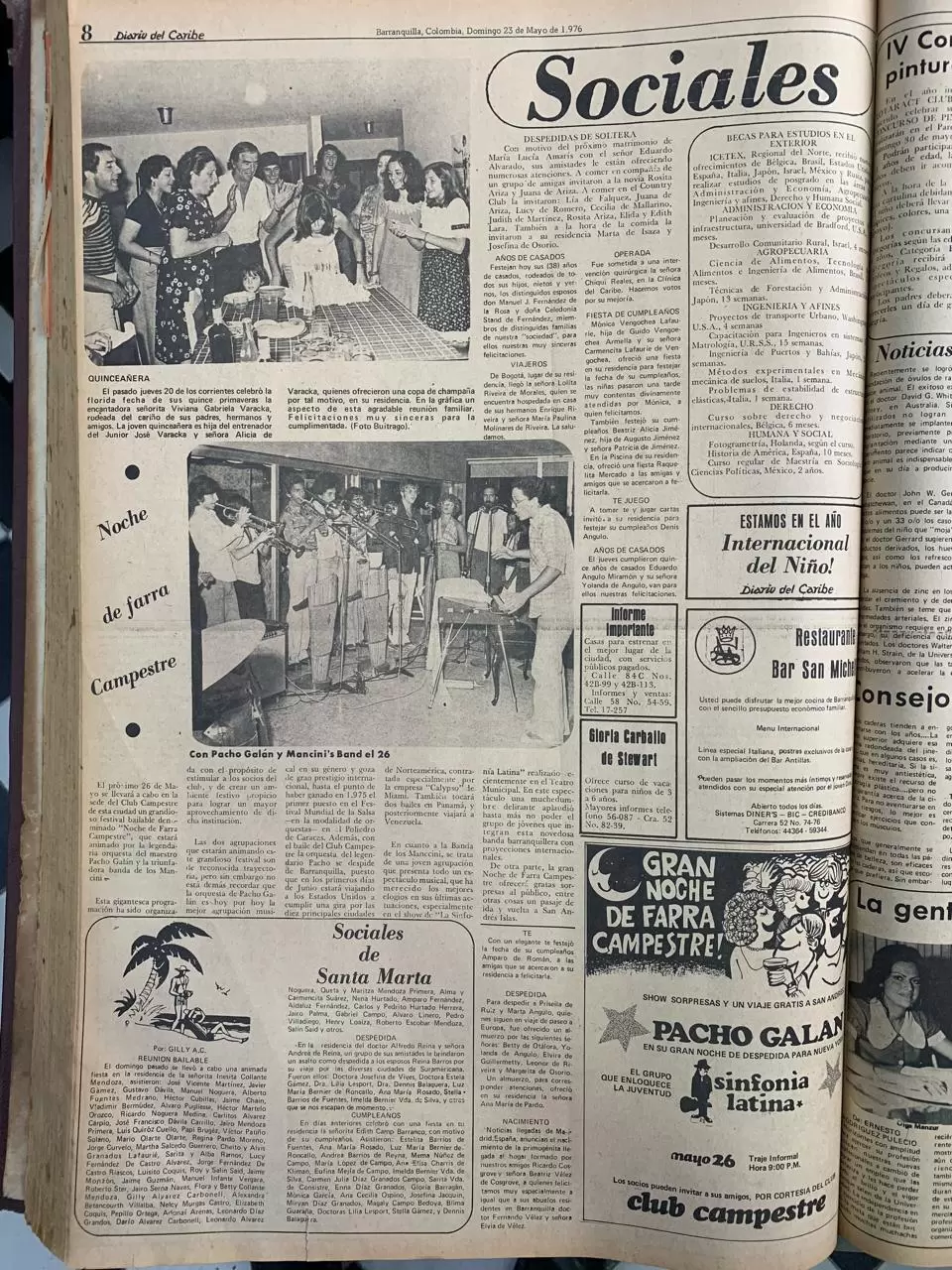
Title: Sinfonia Latina Second Program. Author: Francisco Posada de la Pena, Director. Date of Publication: May 23, 1976. Journal: Diario del Caribe de Barranquilla. Comments: Sinfonia Latina program event. Club Campestre With Pacho Galan Orchestra. p.8
9. Posada de la Pena, Francisco (May 23, 1976). “Sinfonia Latina Second Program”. Diario del Caribe de Barranquilla.
Journal Unreferenced Writings and Reviews
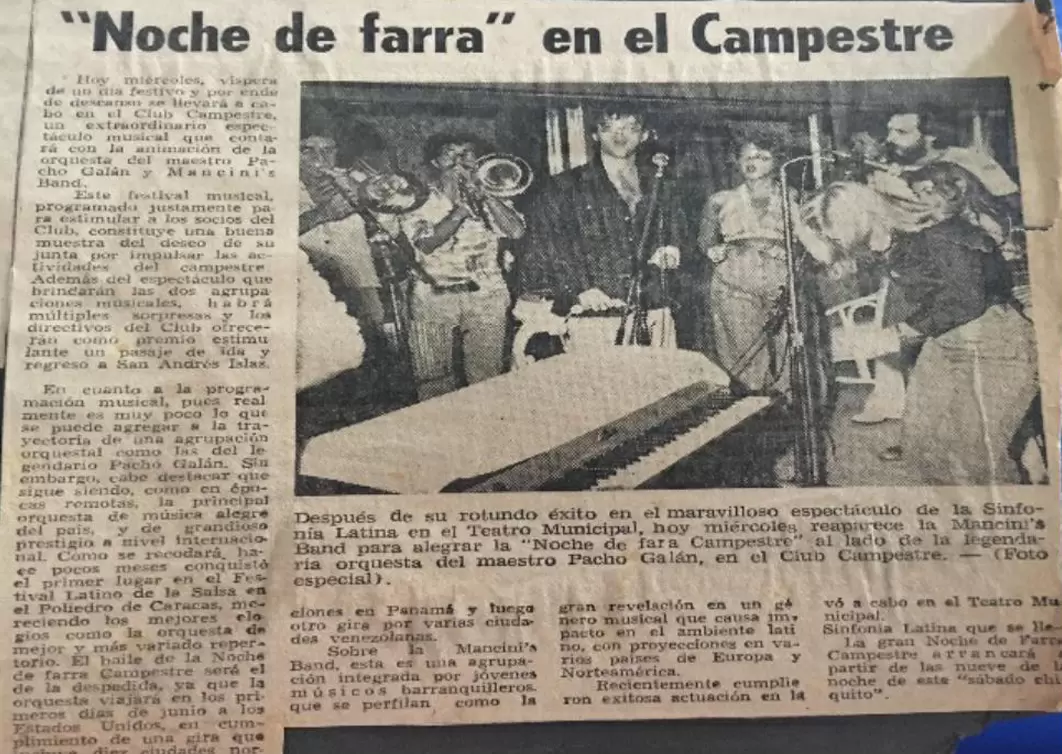
Title: Sinfonia Latina Second Program. Author: Unknown. Date of Publication: Unknown. Journal: Unknown. Comments: Sinfonia Latina program event Club Campestre Singer Singers minus Salsa tenor.
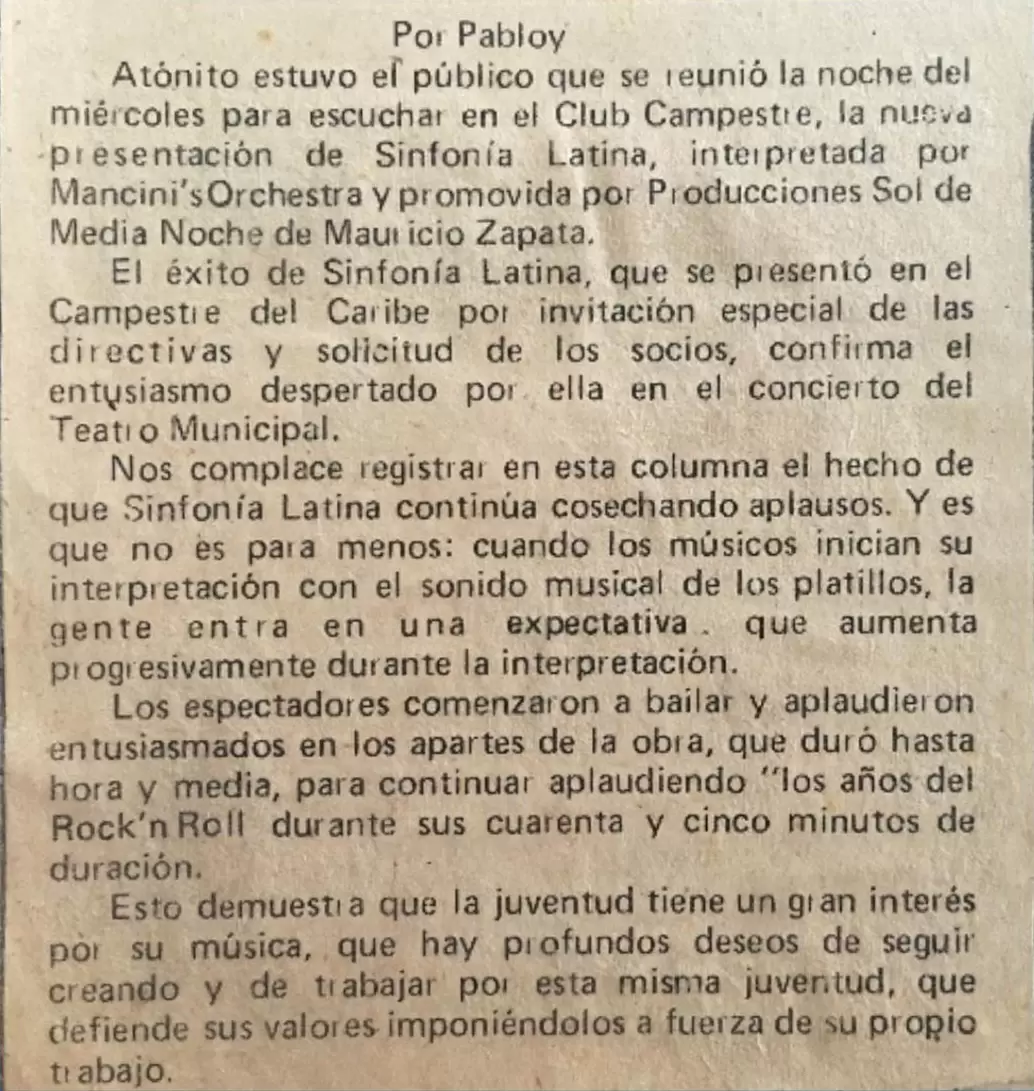
Title: Sinfonia Latina. Author: Por Pabloy. Journal: Unknown. Comments: Sinfonia Latina program event Club Campestre Program Review.
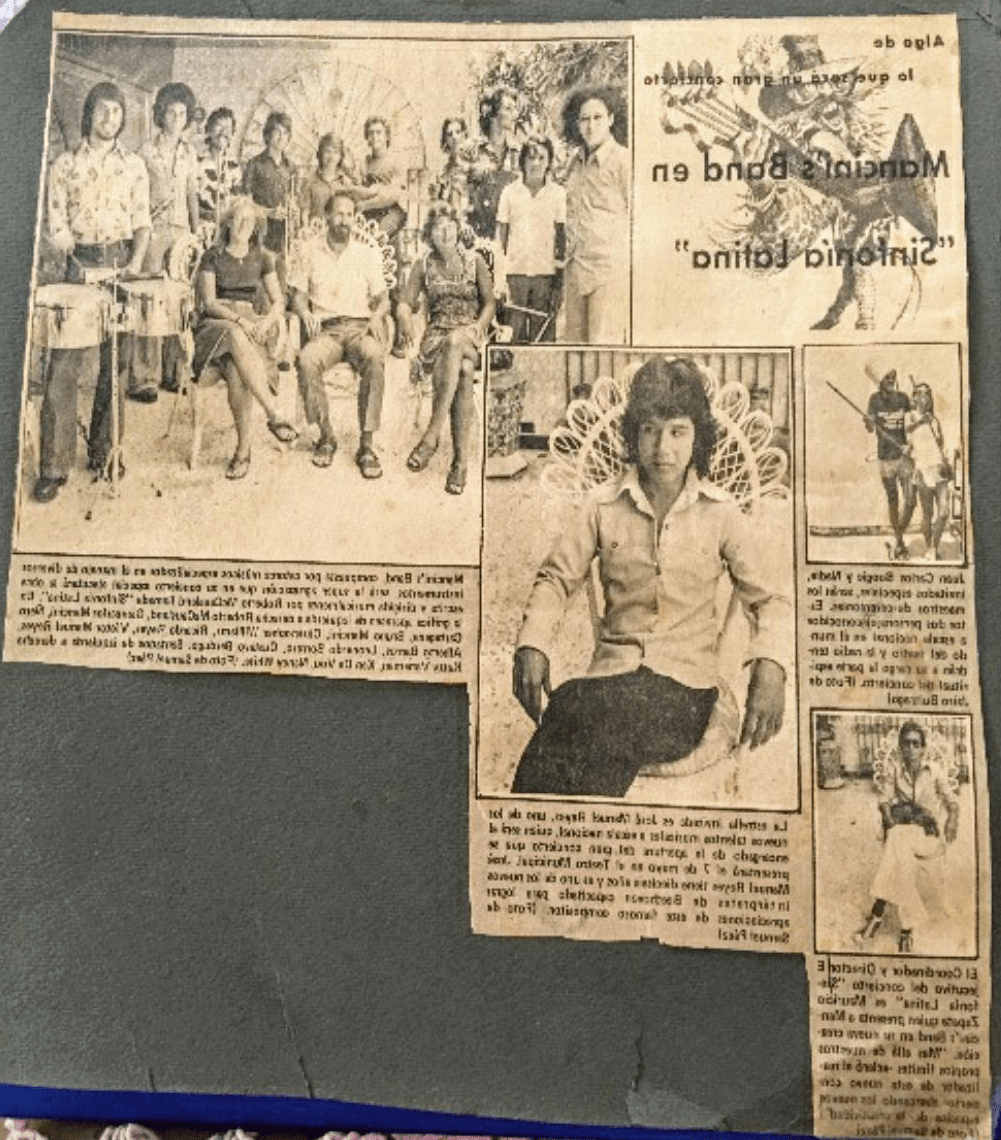
Title: Sinfonia Latina First Program. Author: Unknown. Date of Publication: Unknown. Journal: Unknown. Commments Advertisement.
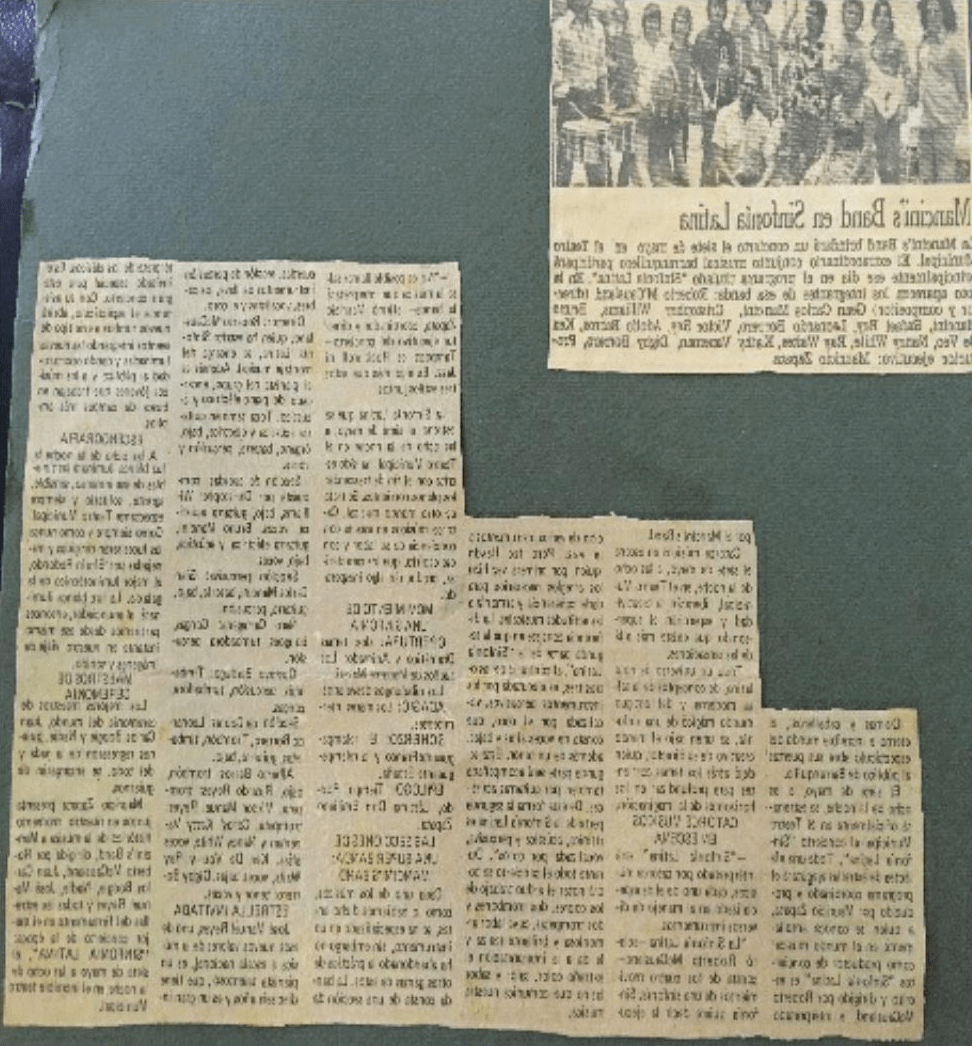
Title: Sinfonia Latina First Program. Author: Francisco Posada de la Pena, Director. Date of Publication: May, 1976. Journal: Diario del Caribe de Barranquilla. Comments: Sinfonia Latina program event about the program/event.
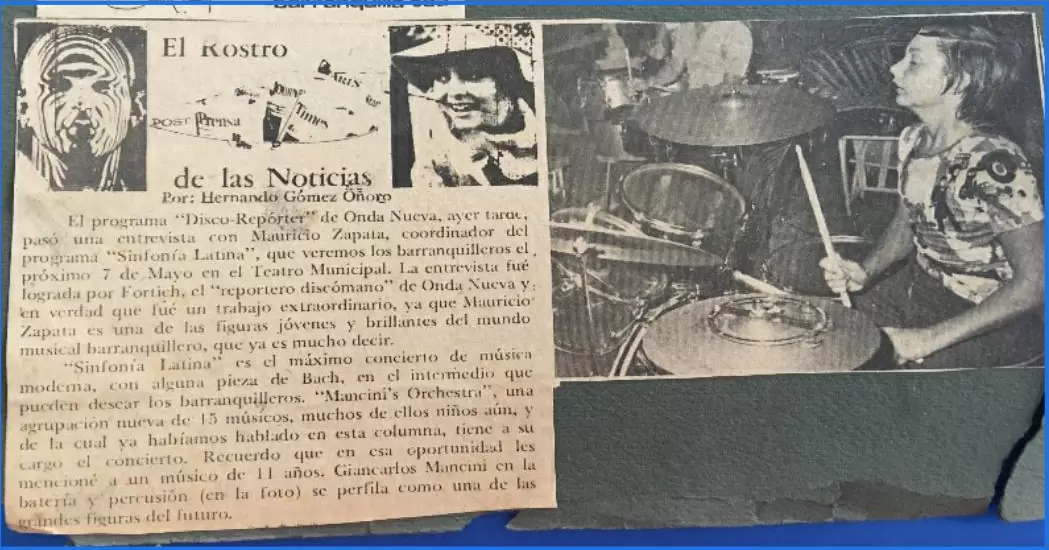
Title: Sinfonia Latina. Author: Unknown. Date of Publication: Unknown. Journal: Unknown. Comments: Sinfonia Latina program. Review Percussionist Gian Carlo Mancini
Sinfonia Latina Relevant Articles-Recent Writing
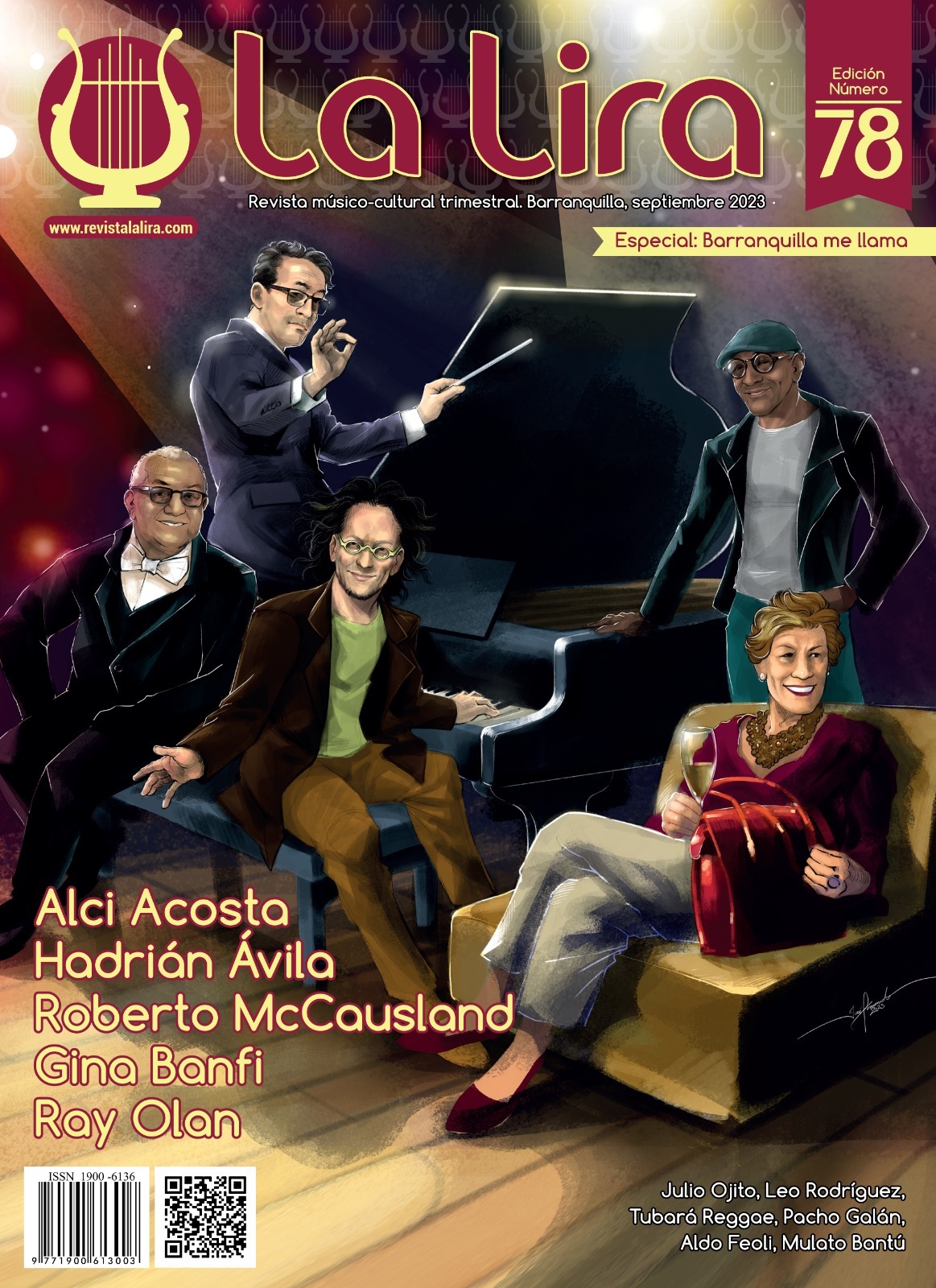
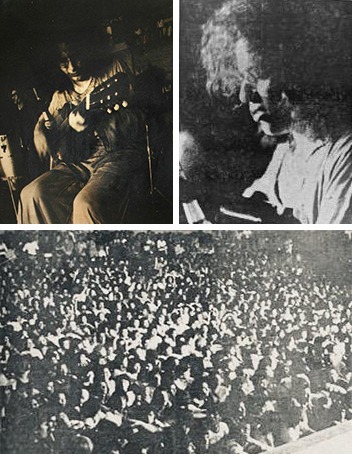
En el mes del niño BID patrocina Festival y Residencia Orquestal
Gesto de Agradecimiento
La época dorada del rock en Barranquilla
Conversando con Roberto McCausland Dieppa

La Sinfonía Latina que despertó al Amira
El Verdadero Sancocho Trifásico
ADN El Tiempo

Sinfonia Latina Original Music Manuscript
Motivic Structures:
Manuscript Copyright: DM 1975-1976
I.
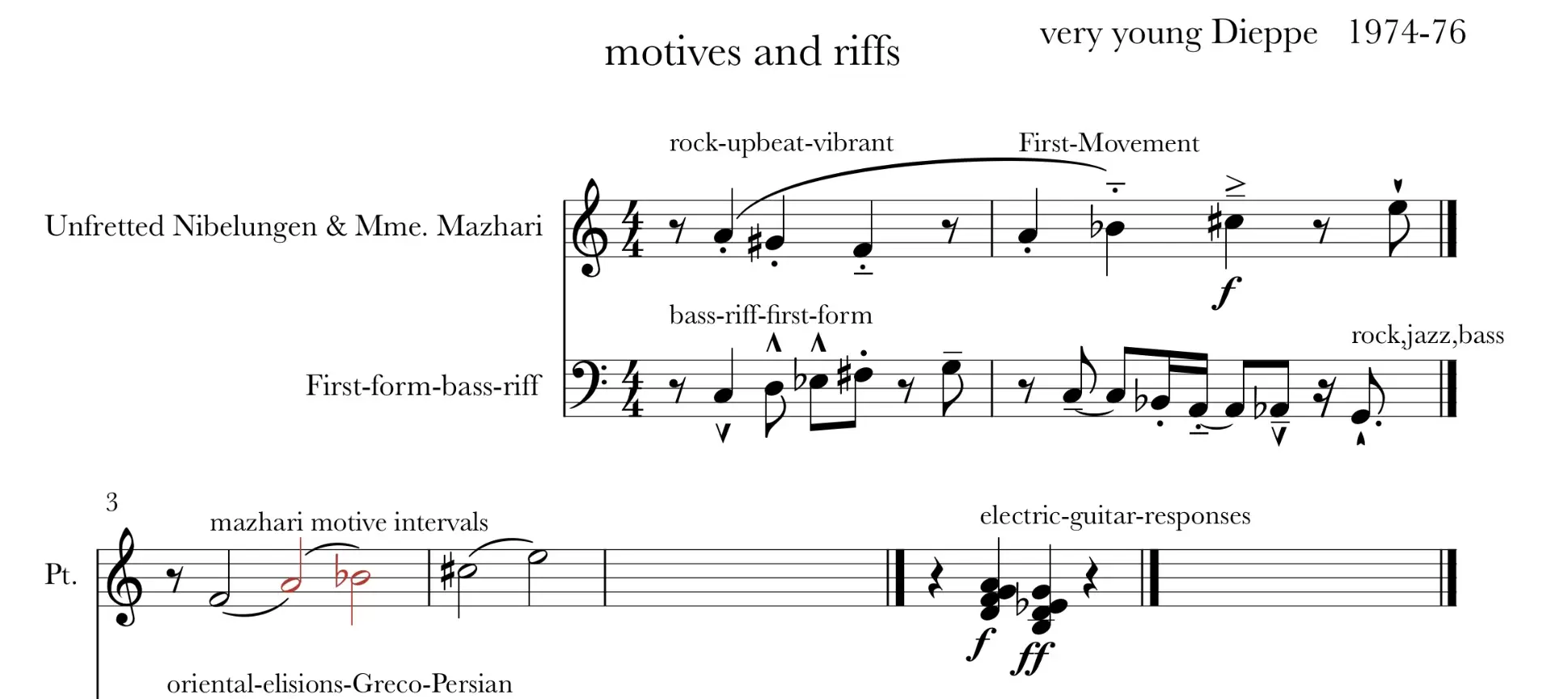
I. Overture; Two Themes, Dramático y animado. The Dreams of Madame Mazhari and the unveiled Nibelungen [Mme. Mazhari mother first in effect girlfriend of McCausland Dieppa, Mdme. Read very late into the nights]
I. Obertura; Dos Temas, Dramático y animado. Los Sueños de Madame Mazhari y los Nibelungos desvelados [Mdme. Mazhari madre de la primera novia de McCausland Dieppa, Mdme. Gustaba leer tarde en las noches]
II.
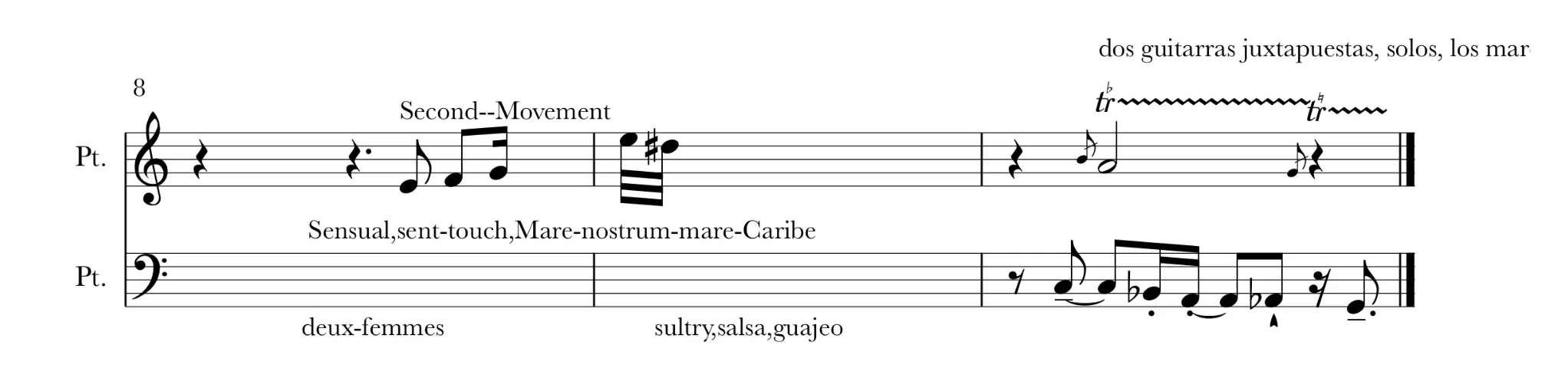
II. Adagio; Intermittent Seas, similarities and differences between the Caribbean and the Mediterranean
II. Adagio; Mares intermitentes, similitudes y diferencias entre el Caribe y el Mediterráneo
III.
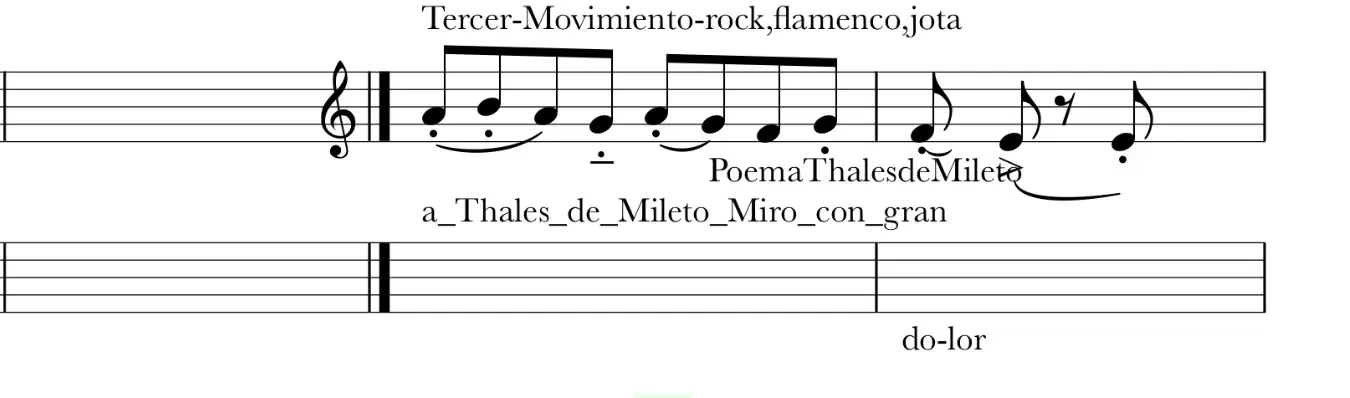
III. Scherzo, Lightning-Luminous Franco and the Flashing Spain-dedicated to the heroes of the Spanish civil war of the twenties of the twentieth century, specifically Uncle Tomas Vera, son of the Spanish mathematician F.Vera and family member -which poetry about Thales of Miletus and reasoning are celebrated – with Mediterranean Phrygian scales. Dieppa made special program to Don Tomas in commemoration of his anniversary in Bogota, Colombia 1990.
III. Scherzo; Franco fulgurante y la intermitente España-dedicada a los héroes de la guerra civil española de los años veinte del siglo XX, específicamente Tío Tomás Vera, hijo del matemático español Vera y miembro de la familia – que poesía sobre Thales de Mileto celebran el razocinio – con escalas frígias. (Luego hubo programa especial en memoria de Don Tomás en conmemoración de su aniversario en Bogotá, Colombia 1990.
IV.
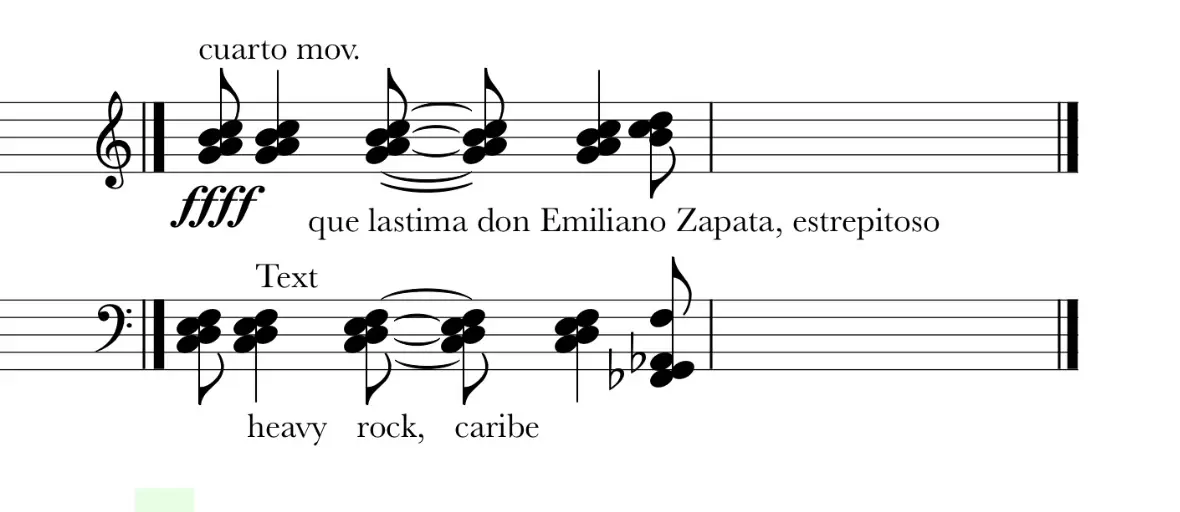
IV. Epílog: Rondo, Estrepitoso (Loud) – What a Pitty, Don Emiliano Zapata, dedicated to the Mexican hero and his impertinent way of hiding – Then the endless and ceaseless ending.
IV. Epílogo: Rondo, Estrepitoso (Ruidoso) – Qué Lástima, Don Emiliano Zapata, dedicado al héroe mexicano y su impertinente manera de esconderse – Luego el final interminable e incesante.
Sinfonia Latina Original Poem – Publication Celebration Interview
Title: Al mar de la Montaña Author: Roberto McCausland Dieppa. Date of Publication: May 7, 1976/June 26, 2018. Journal: La Ola Caribe. Comments: Sinfonia Latina community thank you. Publication of the Poem. From the 1976 Supershow performance.
Al Mar de la Montaña
by Roberto McCausland Dieppa, December 16, 1975.
Sierra Nevada, Santa Marta.
Poem:
Al mar de la montaña (De la Sierra Nevada al Caribe) by Roberto McCausland “Dieppa” Original title Al mar de la montaña (De la Sierra Nevada al Caribe) Written 1974-1975 Country Colombia Language Spanish Publication date 1974-1975 Al mar de la montaña was written between 1974 -1975 by Roberto McCausland Dieppa. The poetry was performed in Spanish by the choir during the third movement of the Sinfonia Latina (Eine Karibisch Musik Werke) on May 7, 1976.
Bajando vengo ahora, De la gran montaña, Danzando las colinas, Un día ensoñador
Distantes lindos techos, Endulzan las cosechas, Mirando las ranuras, Un mundo arrollador
Caminos y senderos, Vistosas ensenadas, Veredas de verdades, Se ven con luz color
El mar se viste claro, De lejos limpio el mundo, Acércate a la vida, Se cubre sin amor
Pensantes todos somos, Pasión sin buen camino, A Thales Mileto, Miro con gran dolor
Y canto porque amo, Y amo porque quiero, Y canto al gran río, Que limpia mi dolor.
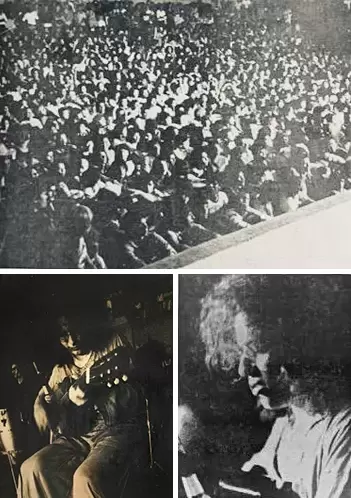
Sinfonia Latina Original Video Film
Additional Documents
Carlos Dieppa Delgado Library – Centro Artístico –Barranquilla – Programas – Gabriel Garcia Marquez y Carlos Dieppa Delgado – otros programas.
Garcia –Marquez y Carlos Dieppa Delgado
El Espectador de Bogotá -1954-1955
Pp. 700
11. Galindo S, Margarita (May 1, 1976). “El Concierto de Mancini’s Orchestra”. Diario del Caribe de Barranquilla.
Centro Artistico Barranquilla
EL CENTRO ARTISTICO DE BARRANQUILLA
EN SUS BODAS DE DIAMANTE
Invita a Ud. al concierto que en homenaje a la memoria de su
ex-presidente Don Carlos Dieppa será ofrecido por el artista Barran-
quillero Roberto McCausland Dieppa.
LUGAR: TEATRO DE BELLAS ARTES
HORA: 8:30 P.M.
FECHA: 1° de Septiembre de 1980.
Centro Artistico de Barranquilla – Diamond Celebration in honor post – Mortem President Carlos Dieppa Delgado
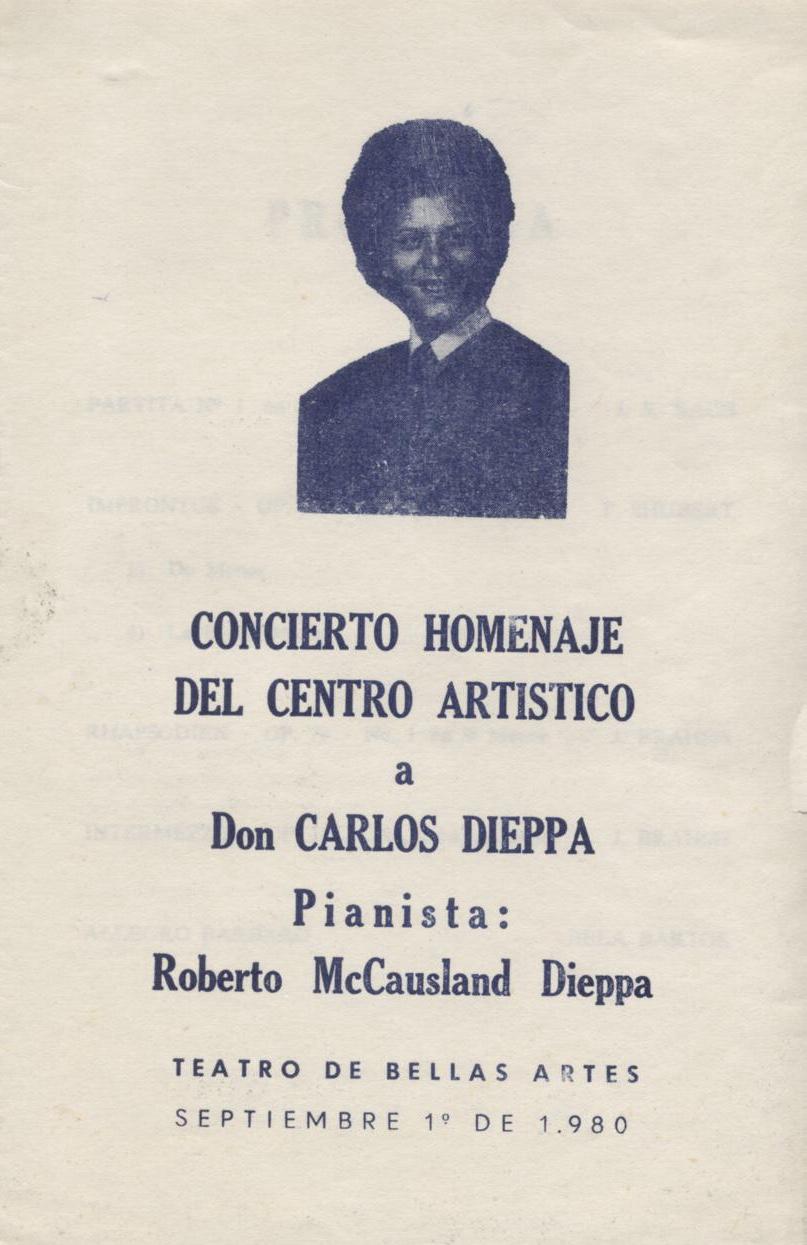
Programa – Jueves 4 de Septiembre 1980 – Schubert – Chopin, Brahms, composición
Diamond Celebration in honor, post – Mortem President Carlos Dieppa Delgado
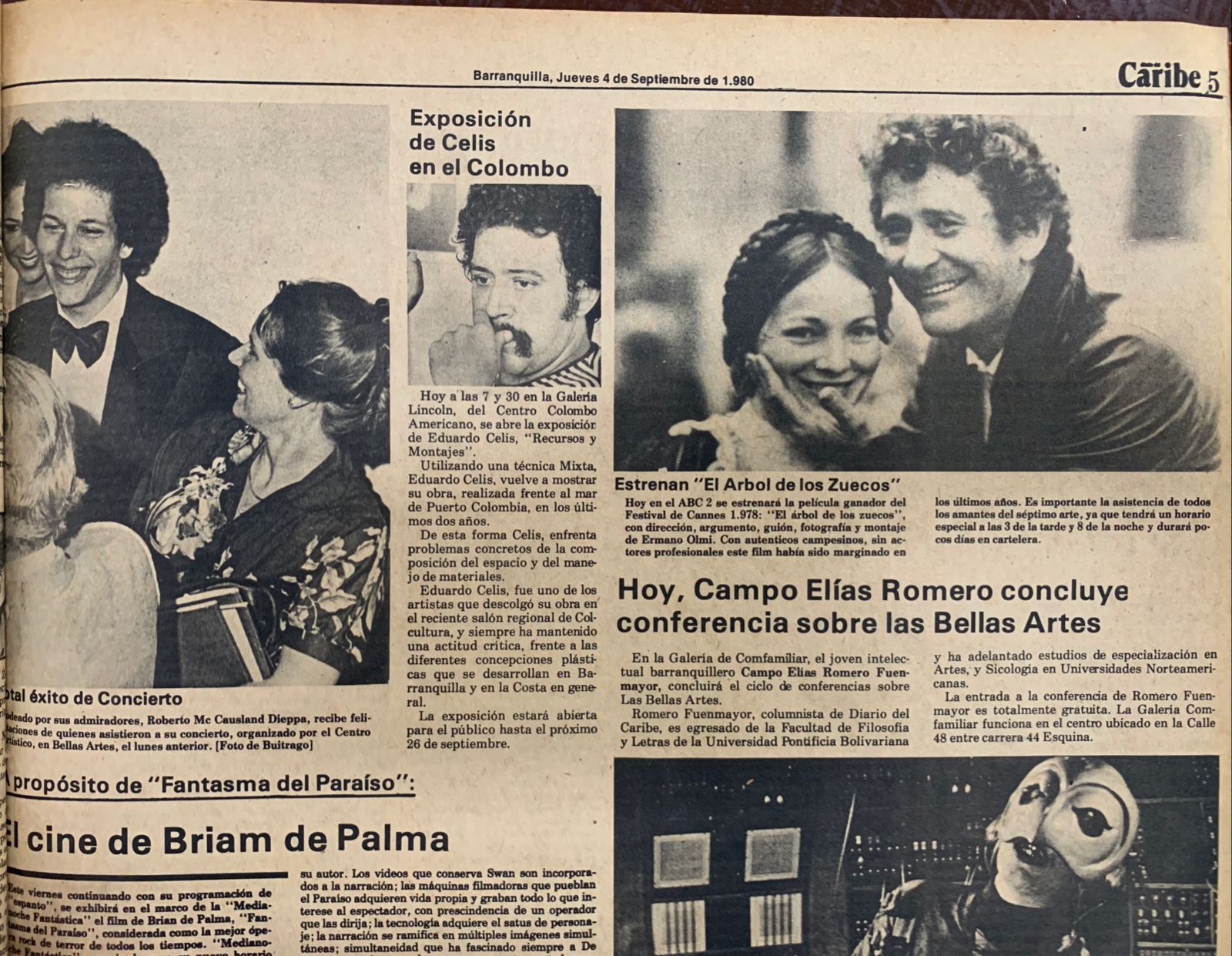
Diario del Caribe, Barranquilla, Colombia Jueves 4 de Septiembre 1980
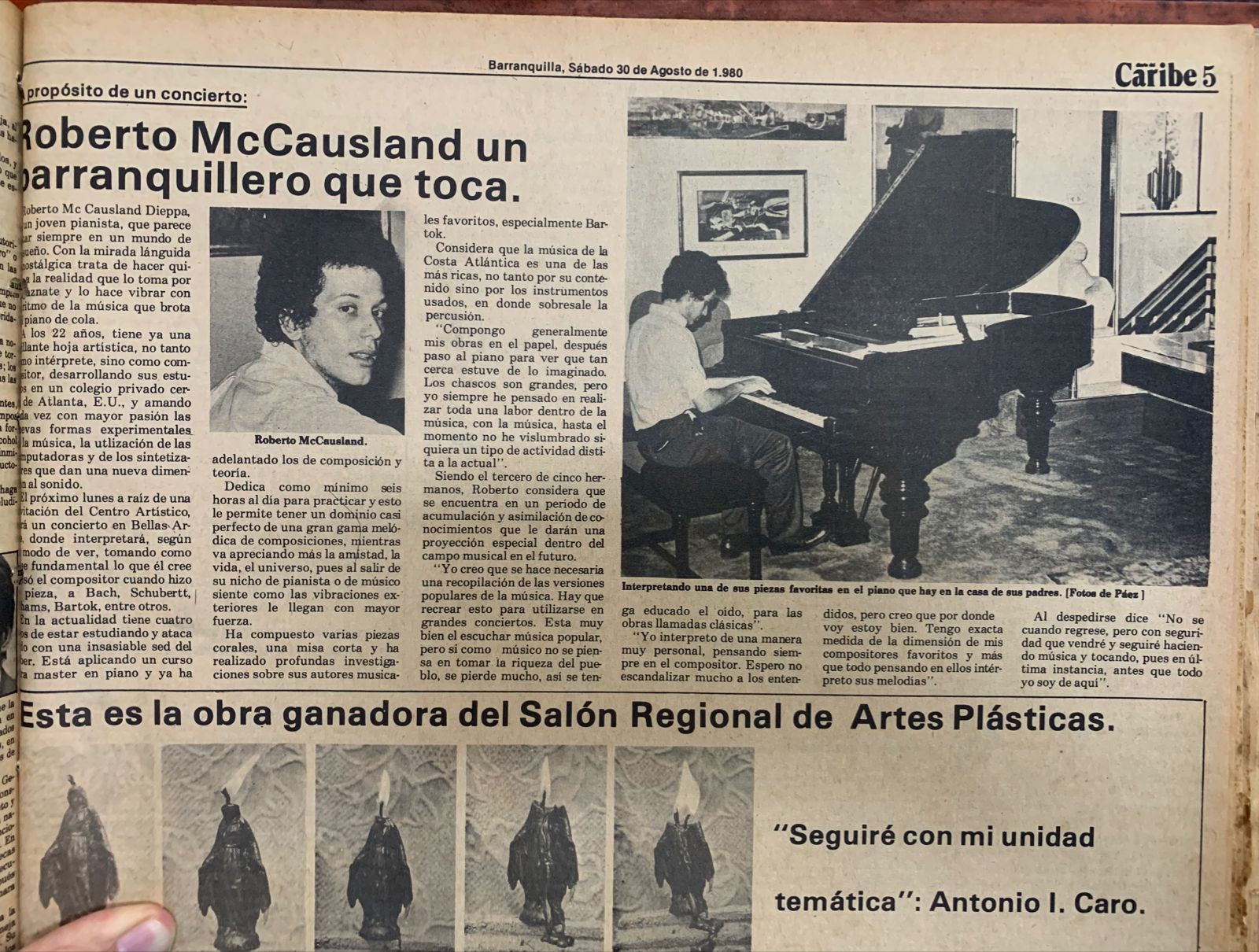
Article – Journal El Heraldo de Barranquilla, Augusto 30,1980. Attributed to Ernesto McCausland Sojo.
Carlos Dieppa (e) Delgado
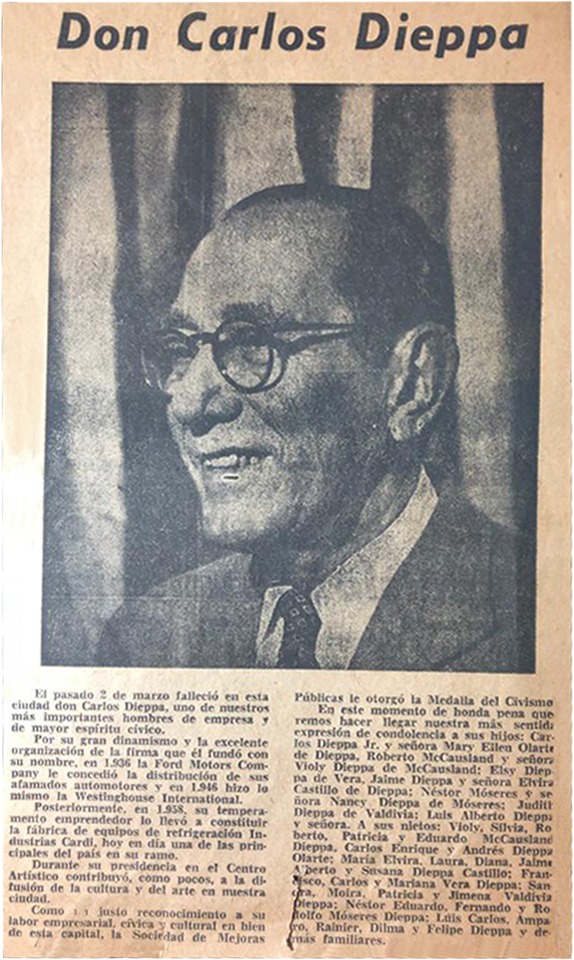
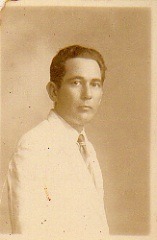
Carlos Dieppe(a) Delgado
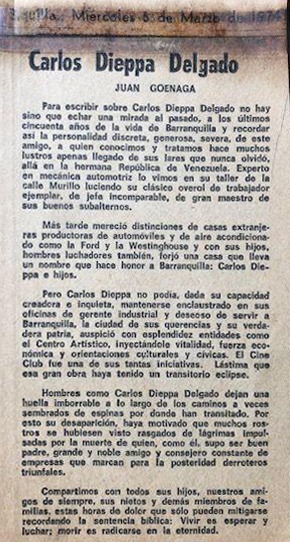
Carlos Dieppa Delgado Obituary
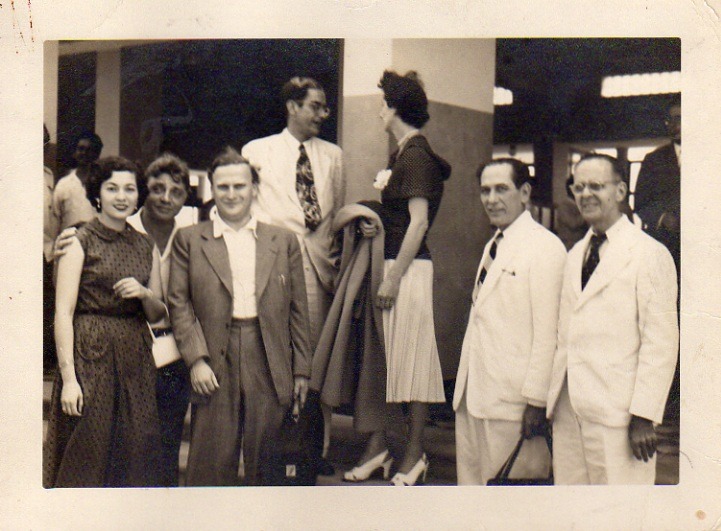
Don Carlos Dieppa Delgado y Yehudi Menuhin
Jóvenes Intérpretes Programs
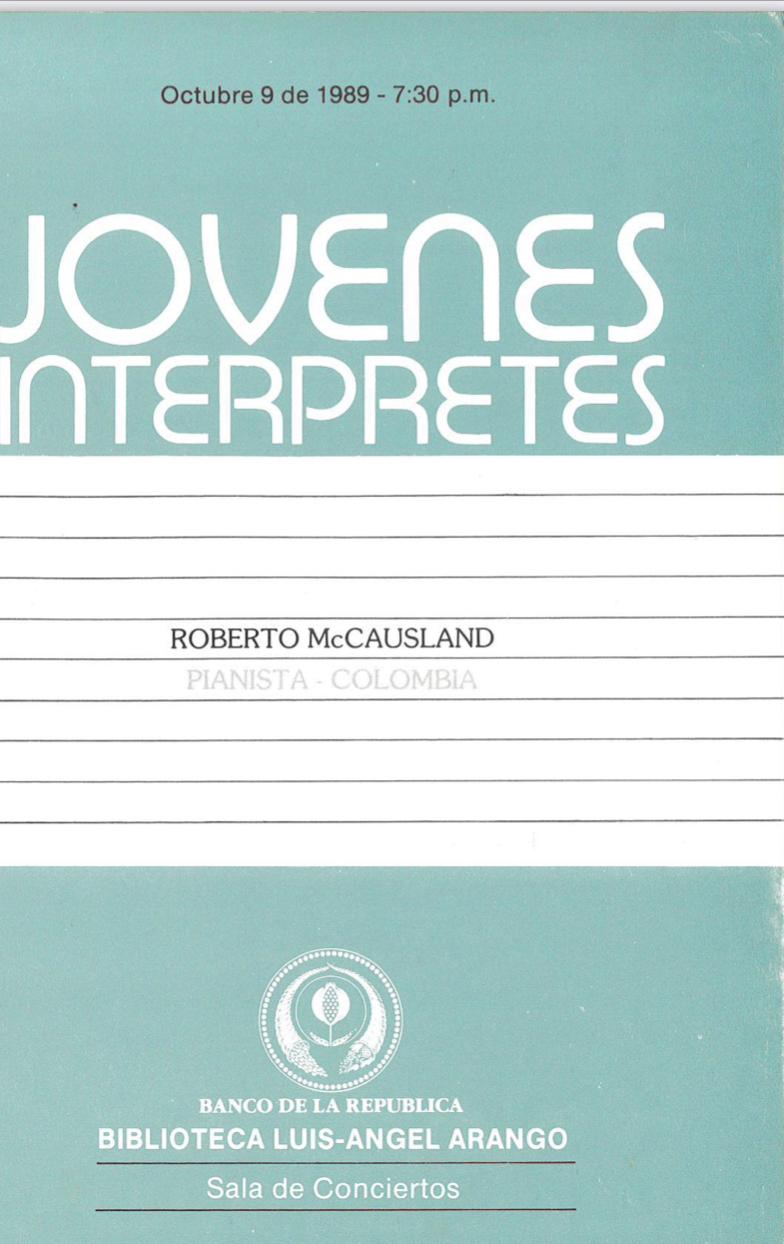
- Programa jóvenes Intérpretes BLAA – Octubre 9, 1989, Bogotá
- Colombia Chamber Music Series, October 22, 1991
Brahms Piano Concerto d minor Op. 15
Orquesta Sinfónica del Valle, Jaime Leon Conductor, Roberto
McCausland Dieppa, Pianist – Beethoven Saal.
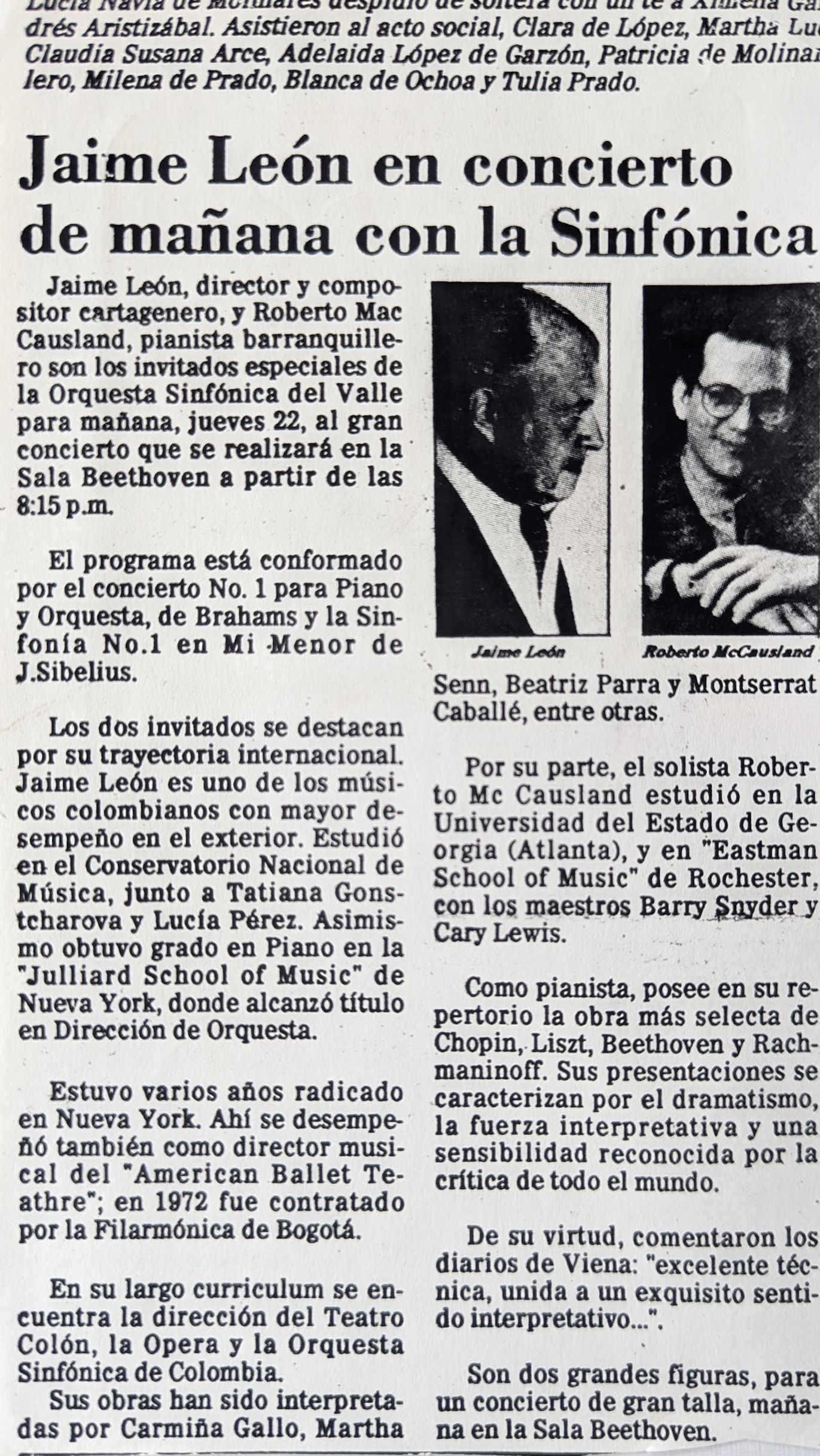
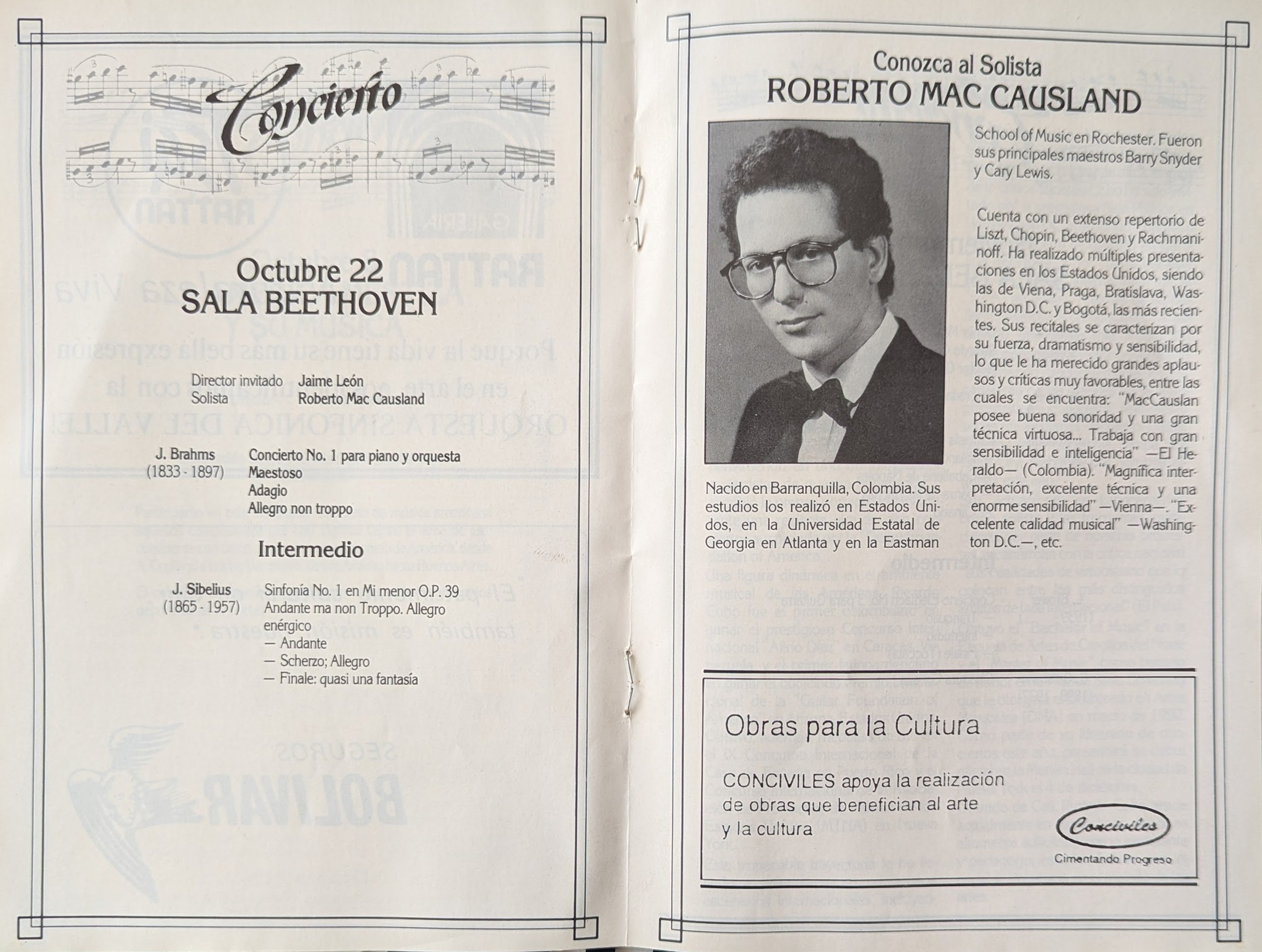
Chamber Music Programs – Organization of American States - Washington D.C., April 17th, 1985
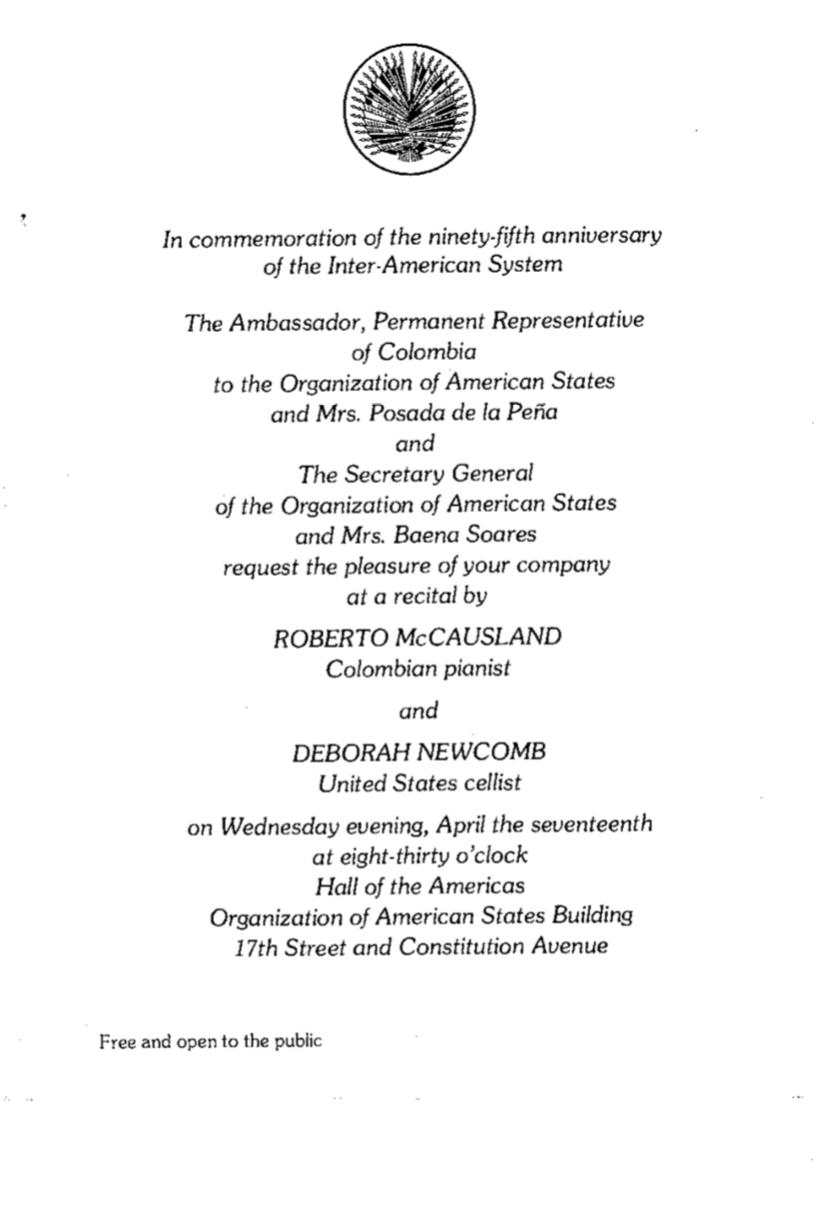
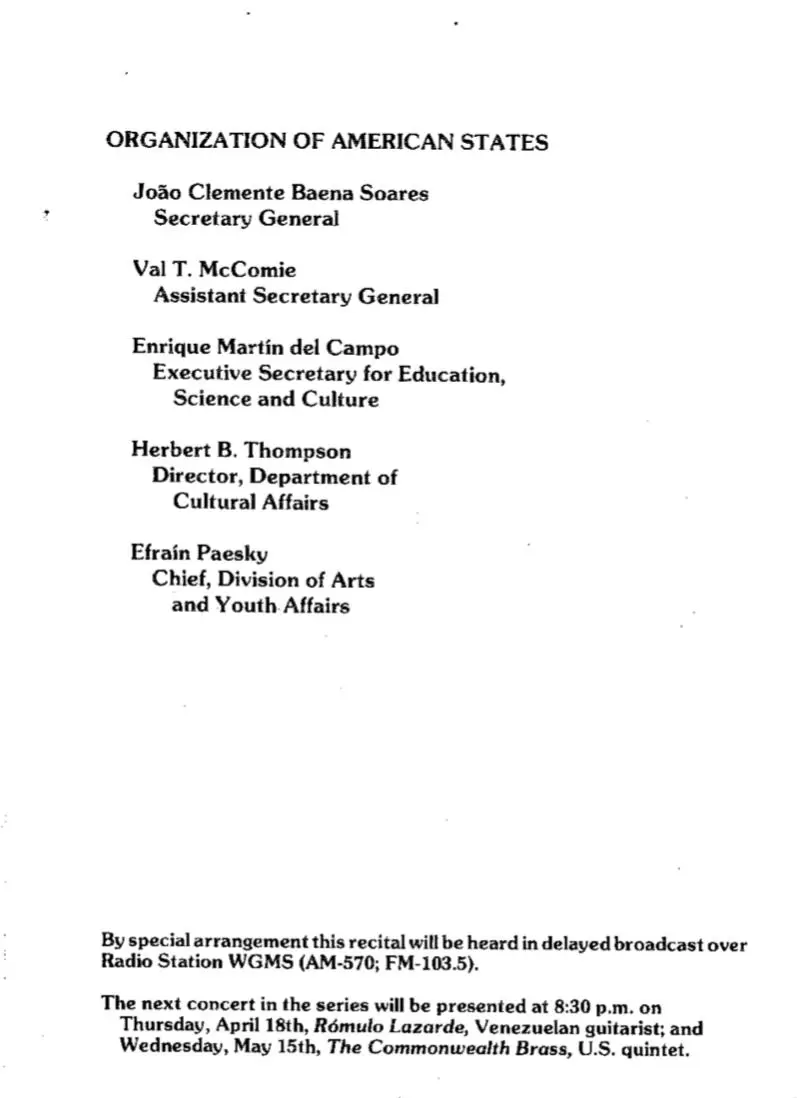
Chamber Music Programs – Organization of American States- Washington D,C. , April 17th, 1985.
Awards, Honors and Competitive Doings
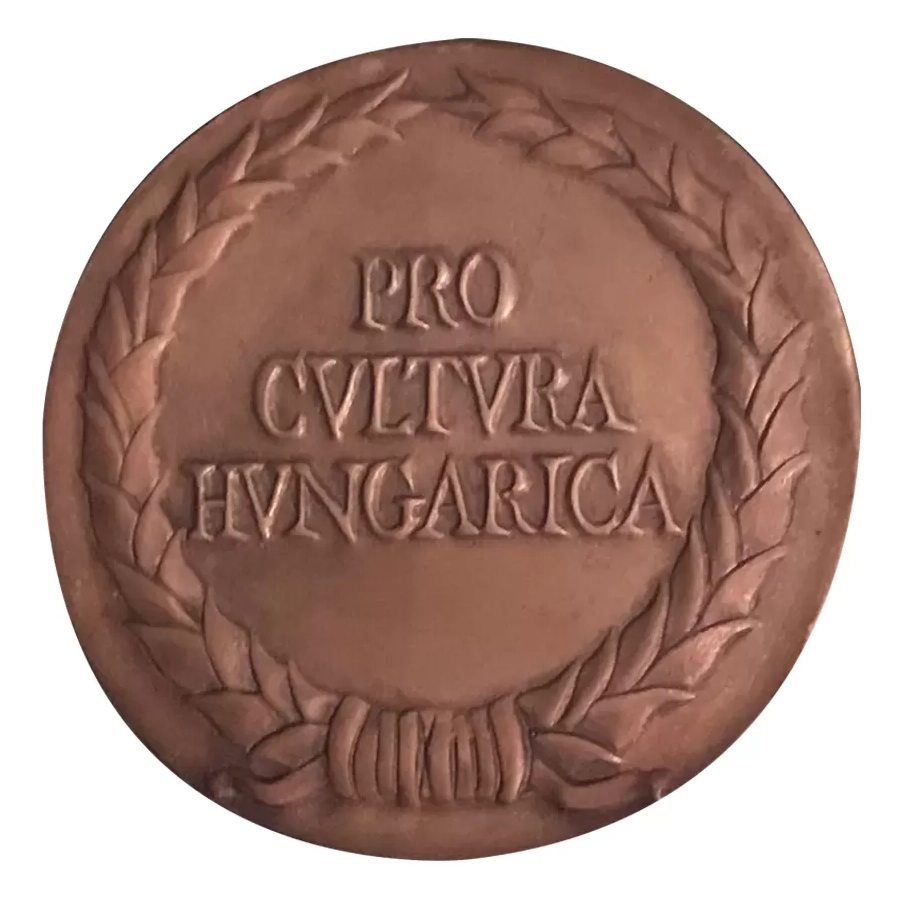
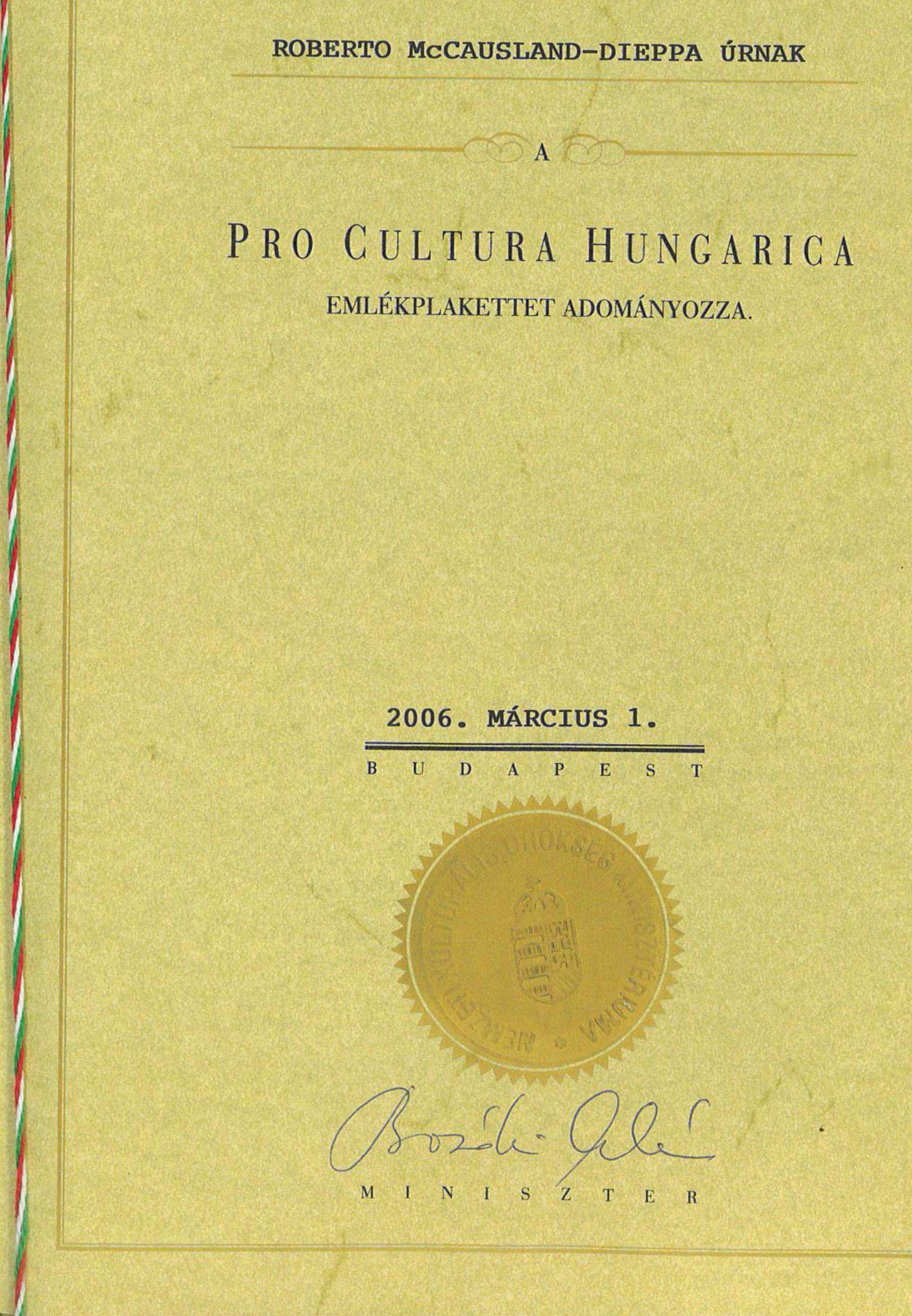
United Nations Inscription:
In recognition of his musical excellence, the Minister of Culture of the Republic of Hungary awards Roberto McCausland-Dieppa the Pro Cultura Hungarica decoration on the occasion of the Bartok Year commemorating the 125th anniversary of the birth of one of the greatest composer of the 20th century.
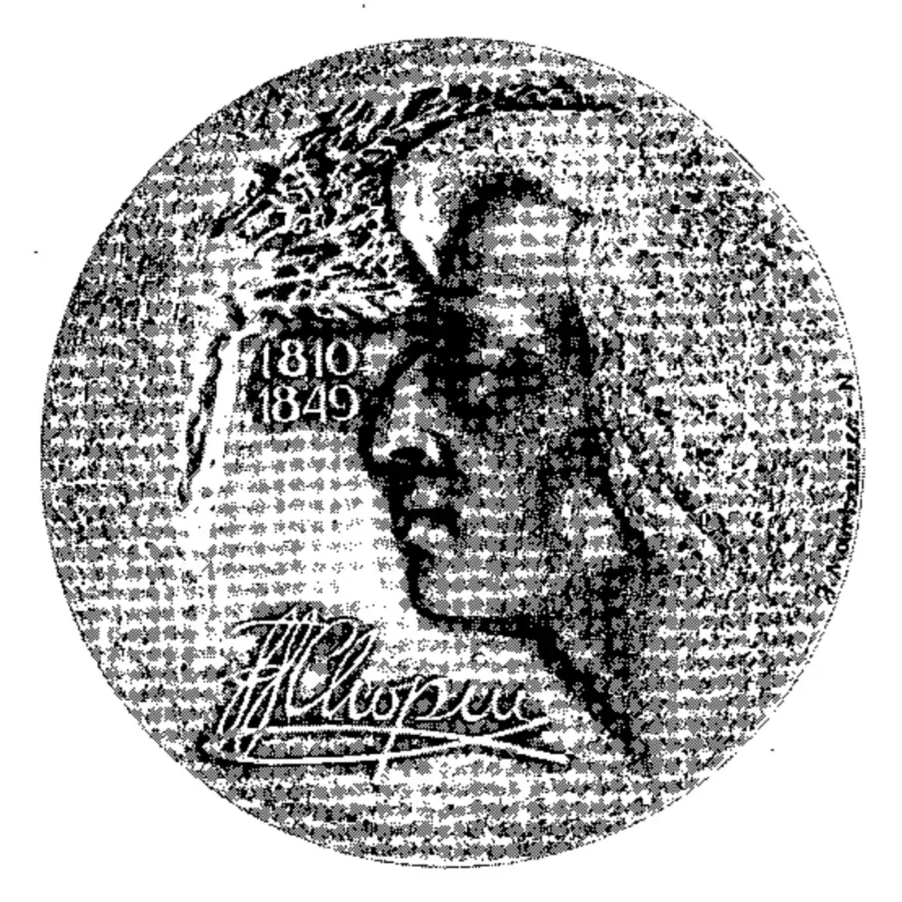
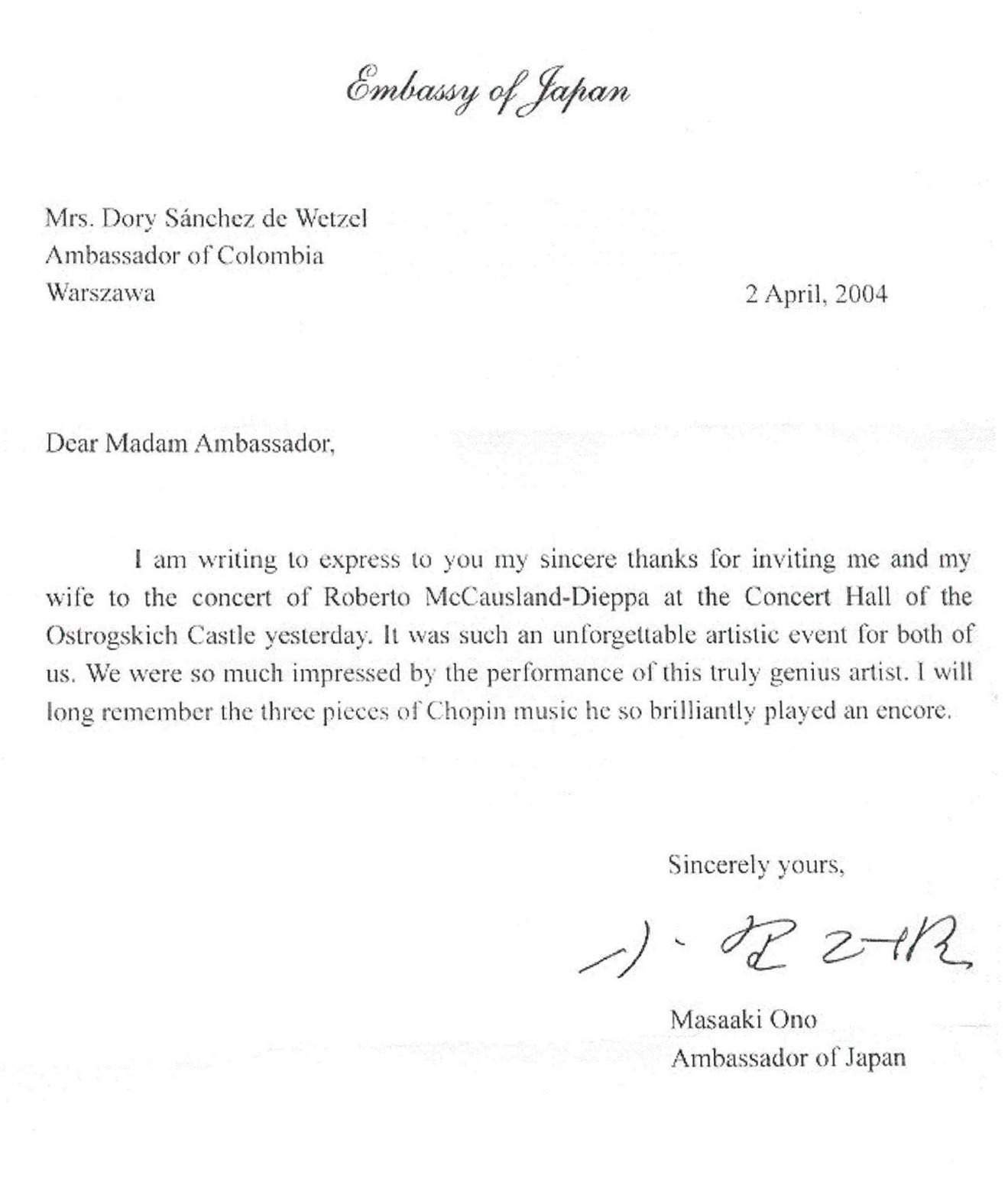
Chopin Hall Program Medal and Review
Bibliography, references.
Recordings
CDs
1997 Liszt and More; 1997, Ed Arte, c.c. 67122 (CM; TM; LM; RA or RS?;DMC; SD; CPD; OSRPB; LPR)
1997 Beethoven for Kids and Teens; Roberto McCausland-dieppa, B000111VXZ8 ((CM; TM; LM; RA or RS?; DMC; SD; CPD; OSRPB; LPR)EMU=B000V9B09Q ((CM; TM; LM; RA or RS?; DMC; SD; CPD; OSRPB; LPR) EMI Classics
2013 Music from Documentary; Produced by Alfredo Sabbagh-Uni Norte; 2013, first ed, Scruffy C.C. 2013-BOOEJCO862 (CM; TM; LM; RA or RS?; DMC; SD; CPD; OSRPB; LPR)
2013 Caribe al Mundo: Tres Piezas Encantades para Orquesta; (2013, first ed. Scruffy, 2013-BOOIFN11E8) (CM; TM; LM; RA or RS?; DMC; SD; CPD; OSRPB; LPR)
2014 Autumn Passions: Beethoven, Three Great Autumn Sonatas; 2014 C.C. Scruffy BOOIFHX50 (CM; TM; LM; RA or RS?; DMC; SD; CPD; OSRPB; LPR)
2014 Summer: Le Chaleur Estivale, Liszt; 2014 C.C. Scruffy BOOIGQKVB8 (CM; TM; LM; RA or RS?; DMC; SD; CPD; OSRPB; LPR)
2014 Late Night: Encores I, II 2014 C.C. Scruffy BOOIFCV142, BOOKqOVKO4v (CM; TM; LM; RA or RS?; DMC; SD; CPD; OSRPB; LPR)
2014 Love Songs: Songs of Passion for Valentine’s Day; 2014 C.C. Scruffy BOOBRIZ7WY (CM; TM; LM; RA or RS?; DMC; SD; CPD; OSRPB; LPR)
2015 Printemps Ravissante: Ravel; 2015 C.C. Scruffy BOOIFN1YAY (CM; TM; LM; RA or RS?; DMC; SD; CPD; OSRPB; LPR)
Songs
Allegro Barbaro/Rackozy Béla Bartók (CM; TM; LM; RA or RS?; DMC; SD; CPD; OSRPB; LPR)
Cancio y Danza~Nos. 1-4: Quasi moderato – Lento – Modere – Moderato Federico Mompou (CM; TM; LM; RA or RS?; DMC; SD; CPD; OSRPB; LPR)
Fur Elise, WoO59 Ludwig van Beethoven (CM; TM; LM; RA or RS?; DMC; SD; CPD; OSRPB; LPR)
Inspiracion~I, II: Sobre Besame Mucho e Insensatez Roberto McCausland-Dieppa (CM; TM;LM;RA or RS?; DMC; SD; OSRPB; LPR; FA)
La Fille Aux Cheveux de lin Claude Debussy (CM; TM; LM; RA or RS?; DMC; SD; CPD; OSRPB; LPR)
Minuet in G WoO 10/2 Ludwig van Beethoven (CM; TM; LM; RA or RS?; DMC; SD; CPD; OSRPB; LPR)
Piano Sonata in B Minor, S 178: Lento assai – Allegro energico – Grandioso, Andante Sostenuto – Allegro enerigico – Stretto quasi presto – Presto – Lento assai Franz Liszt (CM; TM; LM; RA or RS?; DMC; SD; CPD; OSRPB; LPR)
Piano Sonata No. 16 in C Major, K. 545~1. Allegro (Live) Wolfgang Amadeus Mozart (CM; TM; LM; RA or RS?; DMC; SD; CPD; OSRPB; LPR)
Preludes, Book I, L. 117~8. La fille aux cheveux de lin Claude Debussy (CM; TM; LM; RA or RS?; DMC; SD; CPD; OSRPB; LPR)
Sonata #14 Quasi una Fantasia Op.27/2 (Moonlight)~Adagio sostenuto Ludwig van Beethoven (CM; TM; LM; RA or RS?; DMC; SD; CPD; OSRPB; LPR)
Sonata #19 Op. 49/1~Allegro Ludwig van Beethoven (CM; TM; LM; RA or RS?; DMC; SD; CPD; OSRPB; LPR)
Sonata #19 Op. 49/1~Andante Ludwig van Beethoven (CM; TM; LM; RA or RS?; DMC; SD; CPD; OSRPB; LPR)
Sonata #20 Op. 49/2~Allegro ma non troppo Ludwig van Beethoven (CM; TM; LM; RA or RS?; DMC; SD; CPD; OSRPB; LPR)
Sonata #20 Op. 49/2~Tempo di minuetto Ludwig van Beethoven (CM; TM; LM; RA or RS?; DMC; SD; CPD; OSRPB; LPR)
Sonata #8 “Pathetique” Op. 13~Adagio contabile Ludwig van Beethoven (CM; TM; LM; RA or RS?; DMC; SD; CPD; OSRPB; LPR)
Sonata #8 “Pathetique” Op. 13~ Allegro Ludwig van Beethoven (CM; TM; LM; RA or RS?; DMC; SD; CPD; OSRPB; LPR)
Sonata #8 “Pathetique” Op. 13~Grave – Allegro metto e con brio Ludwig van Beethoven (CM; TM; LM; RA or RS?; DMC; SD; CPD; OSRPB; LPR)
Sonata in b minor Franz Liszt (CM; TM; LM; RA or RS?; DMC; SD; CPD; OSRPB; LPR)
Sonatina in C op. 36 no.1 Muzio Clementi (CM; TM; LM; RA or RS?; DMC; SD; CPD; OSRPB; LPR)
Sonatina in G – Moderato, Romance Ludwig van Beethoven (CM; TM; LM; RA or RS?; DMC; SD; CPD; OSRPB; LPR)
Tres Piezas Encantadas~1. Inspiracion – De un Tema sobre el Rio Magdalena Roberto McCausland-Dieppa (CM; TM;LM;RA or RS?; DMC; SD; OSRPB;LPR; OCF)
Tres Piezas Encantadas~2. Fuga Ritmica Flamenca Caribe sobre la Pollera Colora Roberto McCausland-Dieppa (CM; TM;LM;RA or RS?; DMC; SD; OSRPB;LPR; OCF)
Tres Piezas Encantadas~3. Cancion del Amor Misterioso – Danza Requiem a Joe Arroyo Roberto McCausland-Dieppa (CM; TM;LM;RA or RS?; DMC; SD; OSRPB;LPR; OCF)
Variaciones Caribe~No. 2, Prision Roberto McCausland-Dieppa (CM; TM;LM;RA or RS?; DMC; SD; OSRPB;LPR; OCF)
Variaciones Caribe~No. 3. Merengue, Mambo Roberto McCausland-Dieppa (CM; TM;LM;RA or RS?; DMC; SD; OSRPB;LPR; OCF)
Waltz in D flat major Op 64 no.1 Frédéric Chopin (CM; TM; LM; RA or RS?; DMC; SD; CPD; OSRPB; LPR)
Waltz in D-Flat Major, Op. 64 No.1: “Minute” Frédéric Chopin (CM; TM; LM; RA or RS?; DMC; SD; CPD; OSRPB; LPR)
Recorded Chamber Music Ready for Production
Cellist D. Newcomb; Pianist Dieppa
Complete Piano Cello Sonatas; Ludwig v. Beethoven (six)
Cesar Frank Sonata, Rachmaninov Sonata, Barber Sonata
Shostakovich Sonata, Debussy Sonata, Bach Gamba suites
Francoeur Sonata in E, Faure Elegy, Saint Saenz Carnival, Chopin 1 movement
Shubert Arpeggione, Paganini caprices. Schubert Piano Trios.
Video Pampeana-Alberto Ginastera
Compositions
1976 Sinfonia Latina Composition (CM; TM; LM; OSRPB; LPR; OC)
1. Overture Dreams of Madame Mazhari and he Unvailed Nibelungen
2. Adagio’ the Intermittent Seas
3. Scherzo’ lightning fast Franco and the splashing Spain
4. Rondo extremely loud, what a pity Mr. Emillano Zapata
– Piano Inspiration I. sobre Besame Mucho
– Piano Inspiration II. sobre Insensatez
– Piano Inspiration sobre III. Sambra en Una Nota
– Variaciones Caribe (Ocho Movimientos)
1. Danza Overture
2. Prision
3. Danzon merengue
4. Sarabanda Guajeo
5. A la Gitana
6. La corrida: fuga
7. El Paseo
8. Finale, Rumba
– Tres Piezas Encantadas para Orquesta (Cribbean Dances)
– I. Inspiration-De un Tema sobre el rio Magdalena
– II. Fuga Ritmica Flamenca Caribe sobre la Pollera Colora
– III. Cancion del amor misterioso: Requiem a Joe Arroyo
1976 Sinfonia Latina Poetry for Composition
Al mar de la montaña was written between 1974 -1975 by Roberto McCausland Dieppa. The poetry was performed in Spanish by the choir during the third movement of the Sinfonia Latina (Eine Karibisch Musik Werke) on May 7, 1976.[1][6]
I.
Bajando vengo ahora,
De la gran montaña,
Danzando las colinas,
Un día ensoñador
II.
Distantes lindos techos,
Endulzan las cosechas,
Mirando las ranuras,
Un mundo arrollador
II.
Caminos y senderos,
Vistosas ensenadas,
Veredas de verdades,
Se ven con luz color
III.
El mar se viste claro,
De lejos limpio el mundo,
Acércate a la vida,
Se cubre sin amor
IV.
Pensantes todos somos,
Pasión sin buen camino,
A Thales Mileto,
Miro con gran dolor
V.
Y canto porque amo,
Y amo porque quiero,
Y canto al gran rio,
Que limpia mi dolor.
Documents and photos of Sinfonia Latina including original photos, drawings and paintings.
Encore piece for Cello and Piano
Choral composition featuring “Se a Puesto El Sol “, poem by Federico Garcia Lora.
Piano Composition; Ava Maria
Jazz Piano Solo in 3 parts
Three piano riffs (expanded)
Orchestral autoctonous-based works featuring full orchestra with 11 autoctonous percussionists; 1. Inspiracion de un tema sobre el rio Magdalena 2. Fuga Ritmica Flamenca sobre la Pollera Colorada 3. Requiem; a Joe Arroyo-Danza, Tumbao-E; amor Misterioso (2 versions)
Compositions in process include a commissioned Requiem Mass in Aeternaum Orchestra, soloists and choir; Dona Nobis Pacem-M’nuha b’Shalom – Janazah
Publications
2002 McCausland-dieppa, Roberto, The Liszt Sonata: An Analytical and Historical Perspective: A Guide for Performers, Teachers, and Students to Better Understanding of His Work, DMA diss. Manuscript completed for publication: Beethoven Cello Sonatas Compendium
Manuscripts in process featuring analysis of comparative compositional techniques for expressionism by musicians Led Zeppelin; Liszt; Bartok and Chopin
Chamber Music Catalogue (short videos included) 1980-2005 (CM; LM; TM; OSRPB; LPR; CMD)
2013 Beethoven for Kids- Kindle; Hard Cover; Soft Cover; iBook Multimedia (CM; TM; LM; RA or RS?; OSRPB;LPR; OC)
2015 Beethoven for Kids and Teens; iBook Multimedia; Licensed E ONE Entertainment (CM; TM; LM; RA or RS?; OSRPB;LPR; OC)
Sinfonia Latina Poetry for Composition (CM; LM; TM; OSRPB; LPR; OC)
Al mar de la montaña was written between 1974 -1975 by Roberto McCausland Dieppa. The poetry was performed in Spanish by the choir during the third movement of the Sinfonia Latina (Eine Karibisch Musik Werke) on May 7, 1976.[1][6]
I.
Bajando vengo ahora,
De la gran montaña,
Danzando las colinas,
Un día ensoñador
II.
Distantes lindos techos,
Endulzan las cosechas,
Mirando las ranuras,
Un mundo arrollador
II.
Caminos y senderos,
Vistosas ensenadas,
Veredas de verdades,
Se ven con luz color
III.
El mar se viste claro,
De lejos limpio el mundo,
Acércate a la vida,
Se cubre sin amor
IV.
Pensantes todos somos,
Pasión sin buen camino,
A Thales Mileto,
Miro con gran dolor
V.
Y canto porque amo,
Y amo porque quiero,
Y canto al gran rio,
Que limpia mi dolor.
Poster of Sinfonia Latina Performance, 1976 (CM; TM; OSRPB; LPR; OC)
Other Publications
Francisco Posada de la Pena. (1976, May 7). Title: Sinfonia Latina en Barranquilla. . Author:
Francisco Posada de la Pena, Director. : May 7, 1976. Journal: El Diario del Caribe de
Barranquilla. Comments: Sinfonia Latina program event l Diario del Caribe de
Barranquilla.
Berry College. (2010). A Century of Making Music. Arcadia Publishing ISBN
9780738585635. In M. E. Pethel
Goerkel, Guillermo Super Show Musical en Barranquilla El Tiempo de Bogota. (1976, May
8). Super Show Musical en Barranquilla. El Tiempo de Bogotá. , p. 15.
Gozain, J. (1976, May 6). Title: Sinfonia Latina en el Teatro Municipal. El Heraldo, p. 7.
Marquez, Gabriel Garcia Entre Cachacos Epilogue of fifty years. (1954). Entre Cachacos
Epilogue of fifty years. p700.
Mauricio Zapata La Ola Caribe Sinfonia Latina.. La ola caribe. Retrieved from
https://laolacaribe.com/sinfonia-latina/
Sanguino, Angie Alejandra Arias The Latin Symphony in Barranquilla: a musically
inclusive concert, 1975-1976. (2019).
The Liszt Sonata in b minor – a Dissertation – Roberto McCausland- Dieppa 1996-2002.
The Beethoven Sonatas for Piano and Cello – (6) A Guide with historical and analytical perspective.
Roberto M McCausland Dieppa 1992-
end
Articles
Over 40 articles on Caribbean music and culture published in El Heraldo Newspaper; Magazine Latitud 2012-2015 (CM; TM; LM; OSRPB; OC)
Radio and Audio Books
Radio Pods; all with articles (CM; TM; LM; OSRPB; LPR; OC)
I. Jornal del Caribe: Pod Caribe al Mundo
IIa. Jornal del Caribe: Pod Jornal del Caribe Clasico (n.º 2)
11b. Jornal del Caribe: Pod Clasico Caribe Jazz
III. Jornal del Caribe: Pod Misterio Caribe Latino
IV. Jornal del Caribe: Pod Dedicacion, A Uni Norte FM Estereo
V. Jornal del Caribe: Pod Al Carnaval, Carla Cella y Guillo Carbo
VI. Jornal del Caribe: Pod Ciclo Mujeres en las Artes
VII. Cleopatra, Philopater
VII. La Seduccion Artistica Femenina
IX La Seducción de Bolívar
X. Así habló Zarathustra
XI. Carmen Magadalena, Frida Kahlo, Isabel Allende Llona
XII. Pasion Caribe y Latino Americana
XIII. Beethoven Sonatas Concerti y Sinfonias
Audio Books
2006 Beethoven for Kids; Spanish and English Versions (CM; TM; LM; SD; OSRPB; LPR; OC)
Videos and Streaming
Roberto McCausland-Dieppa, D-Mozart K545 Music from Documentary Younger Years 2013 (CM; TM; LM; SD; OSRPB; LPR; CPD)
Trailer for Documentary from Younger Years, Trailer Final Bicentenario F HQ 1, 2010 (CM; TM; LM; SD; OSRPB; LPR; CPD)
Roberto McCausland-Dieppa-D-Bela Bartok Allegro Music from Documentary 2013 (CM; TM; LM; SD; OSRPB; LPR; CPD)
Chopin Minute Waltz Op. 64. D. Flat, 2014 (CM; TM; LM; SD; OSRPB; LPR; CPD)
Inspiracion I, II, II, Sobre Besame Mucho, Insensatez, One Note Zamba; 2014 (CM; TM; LM; SD; OSRPB; LPR; CPD)
Ensemble Barloverto (Sta Fe) Variaciones Caribe Ver 2 Mov 2-D 2013 (CM; TM; LM; SD; OSRPB; LPR; CPD)
Barovento (Sta Fe) Var Cribe Mov III 2 Cadenza 2013 (CM; TM; LM; SD; OSRPB; LPR; CPD)
Legacy Carlos Dieppa D. Violy, Roberto McCausland-D-Documentary Younger Years 2015 (CM; TM; LM; SD; OSRPB; LPR; CPD)
Liszt Sonata in B. Minor Part 1 2013 (CM; TM; LM; SD; OSRPB; LPR; CPD)
Debussy, La Fille Aux Cheveux de Lin, 2014 (CM; TM; LM; SD; OSRPB; LPR; CPD)
Cancio y Danza Nos. 1-4 Quasi Modere Moderto Lento-moderato 2015 (CM; TM; LM; SD; OSRPB; LPR; CPD)
Sinfonia Latina Original Video (archive historical film society Bogota Colombia-El Tiempo) (CM; TM; LM; SD;OSRPB; LPR; OC)
Sinfonia Latina; Dieppa Inclusive Exclusive Music, 2020 (CM; TM; LM; SD; OSRPB; LPR; OC)
La Cueva En El Aire presents Roberto McCausland-dieppa, 2023 (CM; TM; LM; SD; OSRPB; LPR; OC)
Important Programs
Concerts and Special Programs
Sinfonia Latina Residency and Festival
New Caribbean, Neue Caribbean, Nouveau Caribe, 2015
Chemins et Sentiers du vin, 2015
A sound recount of the best vineyards in Burgundy-Orchestra
Wine Menu
Eleven recordings, Piano, Chamber Music, small ensemble 2015
Classical and New Caribbean Genres, 2013-2015
Series for Children, Young adults multi-media, 2013
Tokyo, Japan Ginza Programs 2011-2012
Classical Caribbean Programs-Events-Documentaries-Music 2013
Synesthesia in the artes, Gauguin: CMA 2009
Programs, Press, Journal , Colombia, other programs 2008-2011
United Nations celebration Hungarian Independance
With Henry Kissinger Modarator 2006
Pro-Cultura Hungarian Ministry of Culture, Columbia University Center
Hungarian Consulate New York Prize/Award 2006
United Nations Celebration Hungarian Revolution ’56, 2006
1995-2004 Australia, NYC Carnegie Hall, Europe Concerts and Programs
Carnegie Recital Hall, Weill Hall 2004-2005
New York NYC, 2005
Tavazsi Fest Budapest, Hungary 2005
1995-2004
Programs: Europe including: Bern, London, Madrid Bellas Artes, Paris,
Rome, Budapest, Warsaw, Prague, Australia
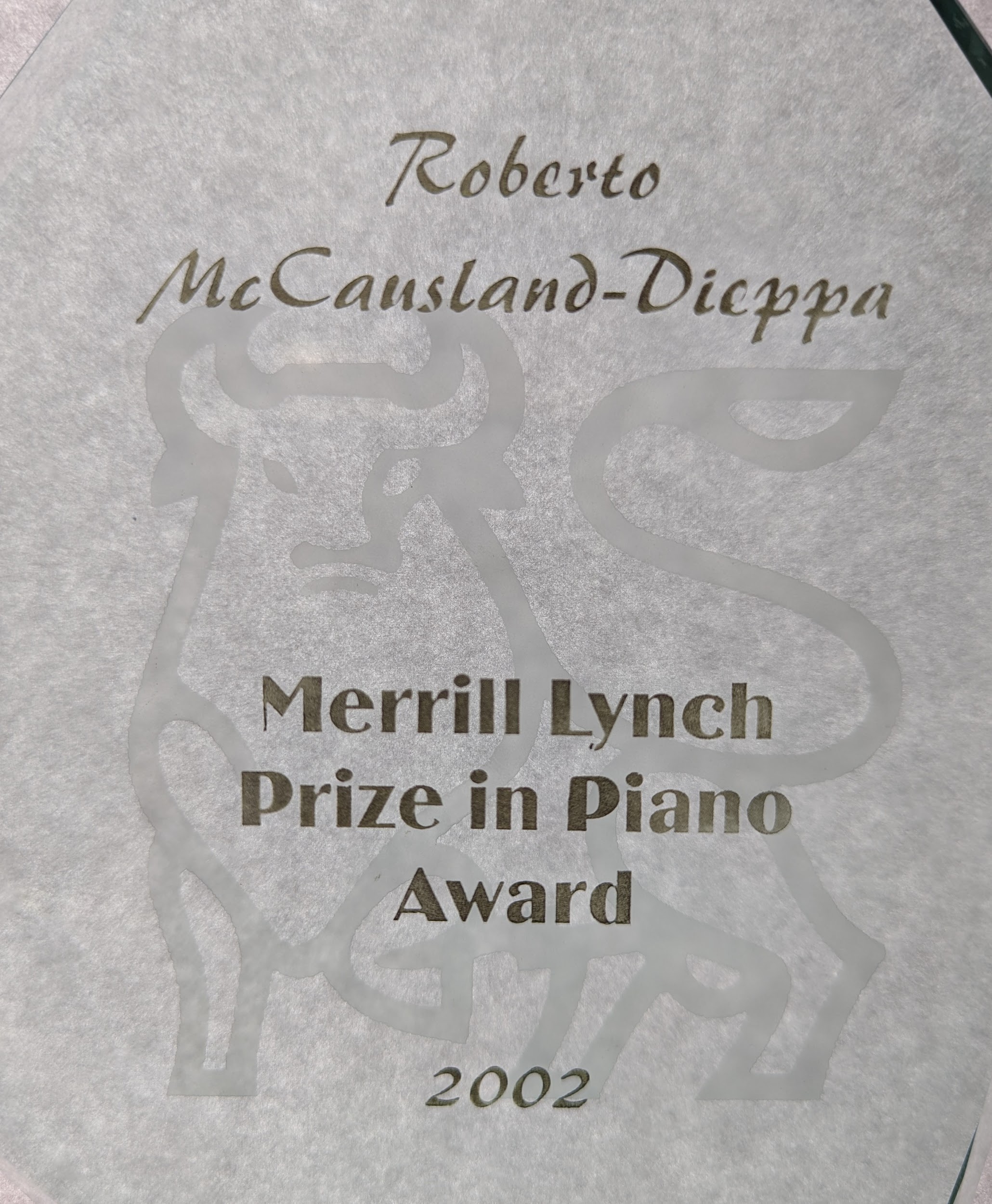
Merryll Lynch Prize 2002
Centre for the Performing Arts
Mumbai, India 1998
Gandhi Memorial Library
New Delhi 1998
Organization of American States Chamber Series
Washington D.C 1983-85
Sinfonia Latina Program Barranquilla, Colombia 1976
Orchestral Repertoire of Relevance Mr. Dieppa’s Liszt
– Bartok – Stream Curation –
• Bela Bartok, Two Portraits for Violin and Orchestra (1907, 1908) Op. 5, Sz. 37, BB 48b
• Complete orchestral/stage works.
• Franz Liszt;
Eine Faust Symphonie s108
Dante symphony
Symphonic Poems (complete), Die Glocken der Straßburger Münster, Die legend von der Heiligen Elisabeth
• Richard Wagner- Tristan und Isolde
• Gustav Mahler Symphonies 1,3,5,8.
• Claude Debussy ‘La Mer; Images, Prélude après midi d’un faune ‘
• Ravel Tzigane, Bolero
• Wolfgang Amadeus Mozart
• Symphony in G minor, K. 550 (1788)
• Symphony in G minor, K. 183/173dB (1773)
Orchestral Recordings in Pre-recording
Franz Liszt, Faust Symphonie
Ludwig van Beethoven Fifth Symphonie
Dieppa Orchestra Works
The official Dieppa Dieppe interactive community site,
The Official Dieppa Music and community site
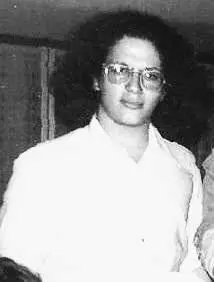
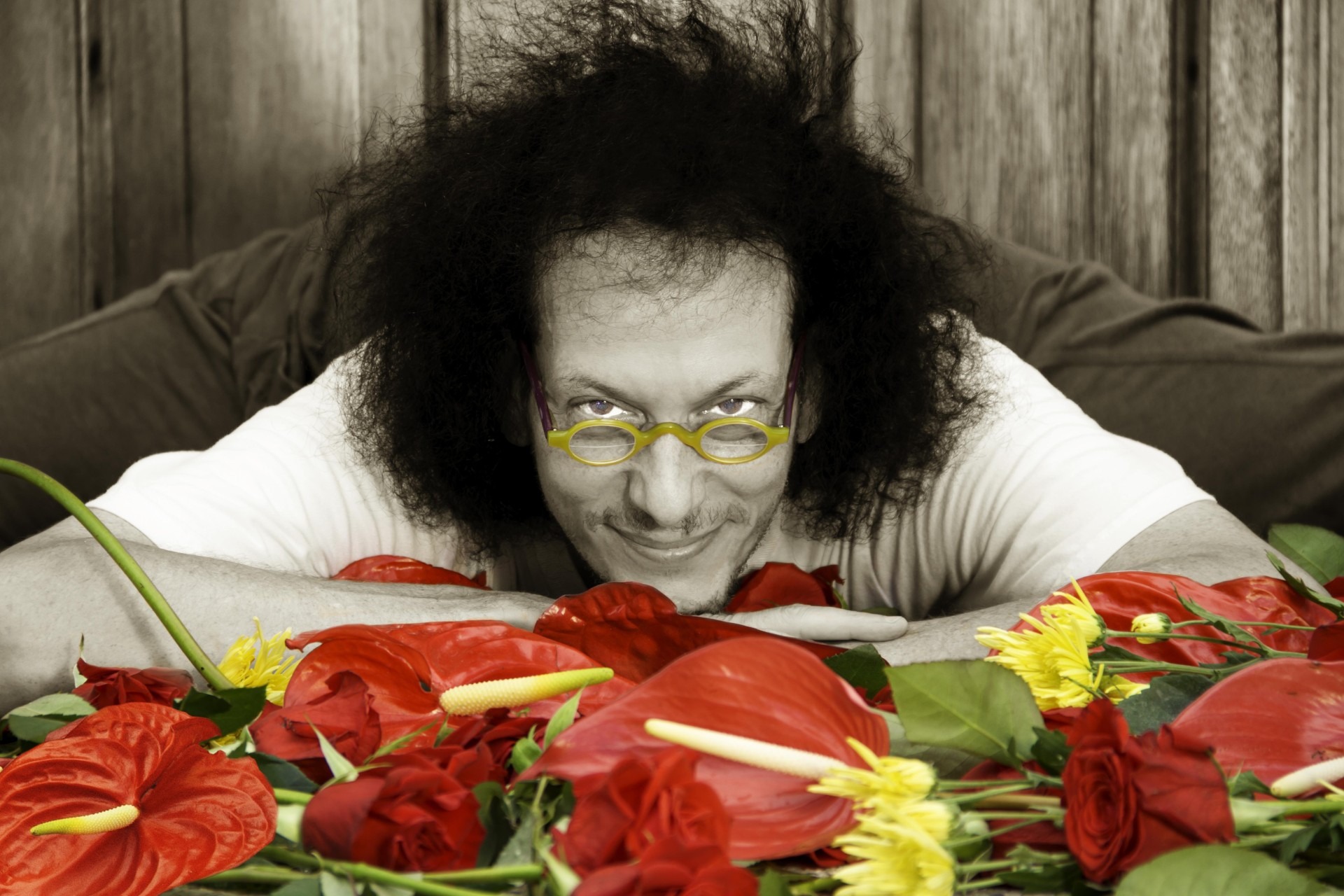


The McCausland family comes from the ancient Scottish Dalriadan clans of the mountainous west coast of Scotland. The name McCausland is derived from the Gaelic form of Absolom, which means peace. Historically this name can be found in The Bible, as the name of the third son of King David, who was killed for rebellion against his father- McCausland is direct based biblical name.
Dieppe Dieppa is a Normand name from Dieppe – merchant prince from the east.
Awards
Merrill Lynch Prize
Yearly. Merrill Lynch chooses artists that deserve to be heard.
In 2002 Mr. McCausland Dieppa was chosen for his performance artistry. Engagements And recognition is part of the award. Mr. Peter Dougherty and the New York The office was the sponsor.
Pro Arte Hungarica
The Pro Arte Cultura Award given by the Ministry of Culture of Hungary jointly with the European Union, Columbia University’s Center for European Studies (New York), the Hungarian Ministry of Culture, Andras Bazoki, the Hungarian Ambassador to the United Nations. Gabor Horvath, sponsored Roberto McCausland Dieppa. Mr Dieppa has made and continues to make major contributions to the Musical arts of Hungary. The prize based on performance and dissemination of the music of Franz Liszt and Bela Bartok includes more than 85 Liszt programs worldwide and unquestionable knowledge and experience in Bartok interpretation and literature. Dieppa has made significant, undisputed contributions to the artistry. Recipients must know all or a major portion of the repertoire.
Other recipients include Yehudi Menuhin, Georgy Sandor, and Zoltan Kocsis. Through a private vote after a rigorous and competitive process recipients are chosen. McCausland-Dieppa’s outstanding performances and dissemination of the Liszt Sonata in b minor for piano and the Eine Faust Symphonie Drei Characterbilder for Orchestra in Budapest were noted as exceptional.
-Valyko-
Important Reviews
Autumn Passion Reviews
Autumn Passion: Beethoven Three Great Sonatas, World Wide Home Run – FanFare – Jerry Dubins –
Autumn Passion: Beethoven Retrospective, Three Great Sonatas One Encore
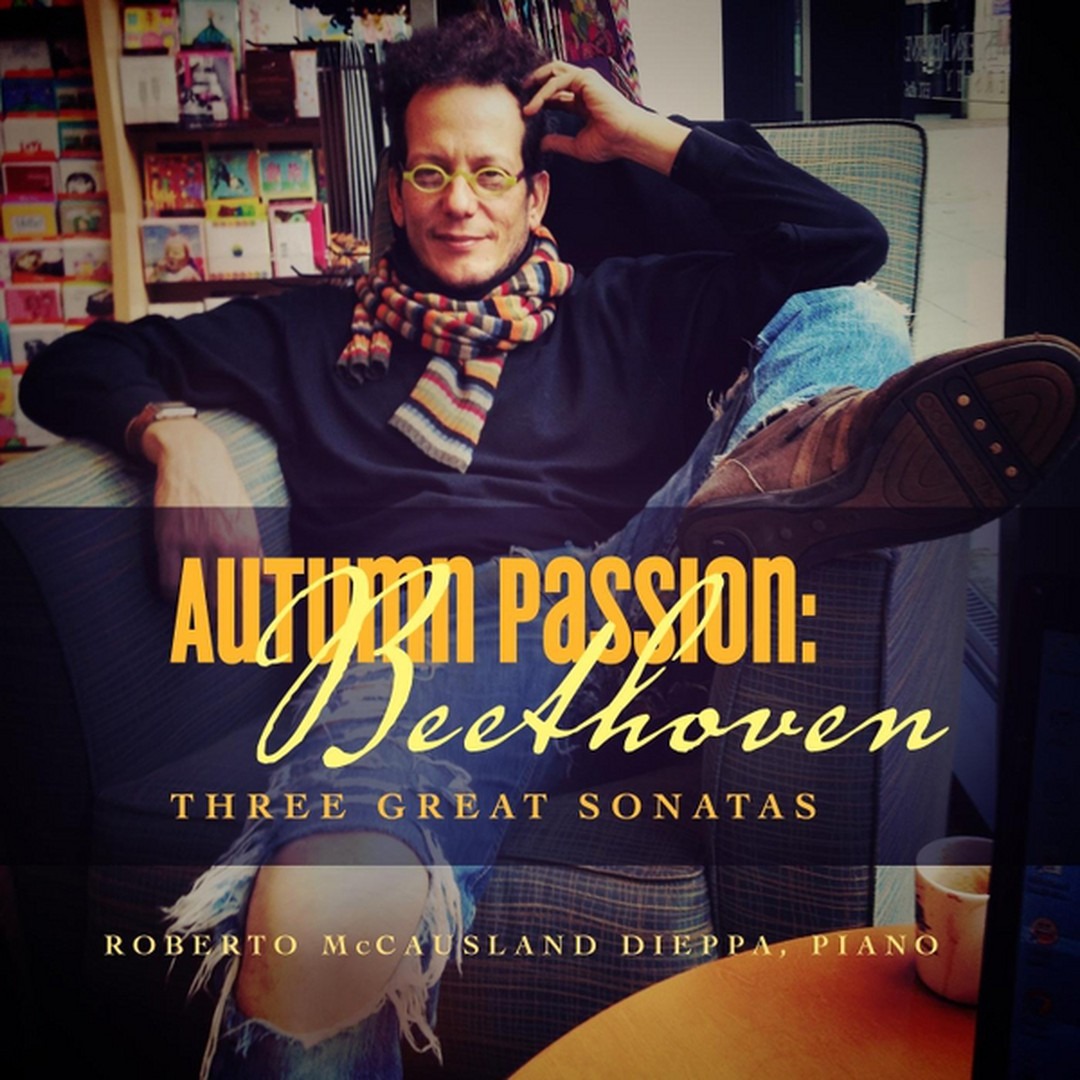
Despite the album design, which appears to have been entrusted to an adolescent Arctic Monkeys fan, this is a serious and significant release by a serious and significant artist, performing serious and significant music, and it’s far from being what’s often described deprecatingly as a vanity release.
Dieppa’s…in Beethoven…Passion…
American Record Guide, Kang Feb.2015
Roberto McCausland Dieppa is a Colombian-born pianist, composer, and conductor with a Doctorate of Music in Liszt studies and credits from the Eastman School of Music. In recognition of his special attention to Liszt and Bartók, Dieppa was awarded the Pro-Arte Prize by the Ministry of Culture of Hungary.
Extensive touring has taken Dieppa to Europe, Latin America, Japan, India, the UK, Australia, Eastern Europe, and the U.S., where he played for a full house at Carnegie Hall, the first Colombian pianist to do so successfully. His piano repertoire and recordings include music of Mozart, Beethoven, Chopin, Liszt, Debussy, Ravel, Bartók, and Mompou, as well as Latin-American and Spanish contemporary composers.
The immediate question that comes to mind about this release is whether there’s really a need or a place for another version of Beethoven’s “big three” piano sonatas, each of which has at least 300 recordings. The answer is a resounding yes, when they’re played as they are here by Roberto McCausland Dieppa, for he gives us some of the finest, most insightful readings of these scores I’ve heard.
…The Pianist shows a firm command of the sonatas’ varied challenges…
Gramaphone, Nov. 2014 – Rosenberg
Everything Dieppa does is in moderation. Tempos in fast movements are not slow, but they’re not rushed or pushed. Unlike Fazil Say, Dieppa is not on a kamikaze mission to prove his bravery. If anything, he is a bit on the self-effacing side, resisting the temptation to make the music about him instead of about Beethoven. The result is performances of clarity, transparency, and revelation of felicitous details that allow the notes to speak for themselves.For example, listen to how meticulously Dieppa observes the poco ritardando marking in bar 12 of the “Appassionata” Sonata (not counting the quarter of a bar upbeat at the beginning). Beethoven then supplies his own dramatic flourish at the a tempo a bar later. There’s no need for exaggeration; it’s built into the score.
…the opening of Appassionata is astounding in its depth and richness…
American Record Guide, Kang Feb. 2015
This is just one of countless points at which Dieppa’s respectful approach to these works yields a refreshing perspective on Beethoven’s vision, one cleansed of the interpretive accretions of 200 years of performance practices. Dieppa’s Beethoven comes about as close to echt Beethoven as I think I’ve heard. Needless to say, all repeats are observed.
Moreover, there’s fluidity to Dieppa’s touch and an apperception of larger, long-range rhythmic patterns that go beyond a single bar or phrase, which contribute to a sense of inevitability in the unfolding of the musical organism. Too, I should mention the gorgeous tone Dieppa draws from his Baldwin grand, which was beautifully recorded at a location undisclosed by the poorly documented album note and credits.
…incredible sensitivity to dynamics…
American Record Guide, Kang Feb. 2015
Though I personally received a physical CD for review, as of this writing in late September 2014, I’ve only been able to find this release available in download form at Amazon, CDBaby, and Rhapsody. However, I have been informed, pre-going-to-press, that by the time you read this the CD will be available at ArkivMusic. In whatever form you find it, Dieppa’s Beethoven is an experience not to be missed. Jerry Dubins January/February2015 Fanfare Magazine
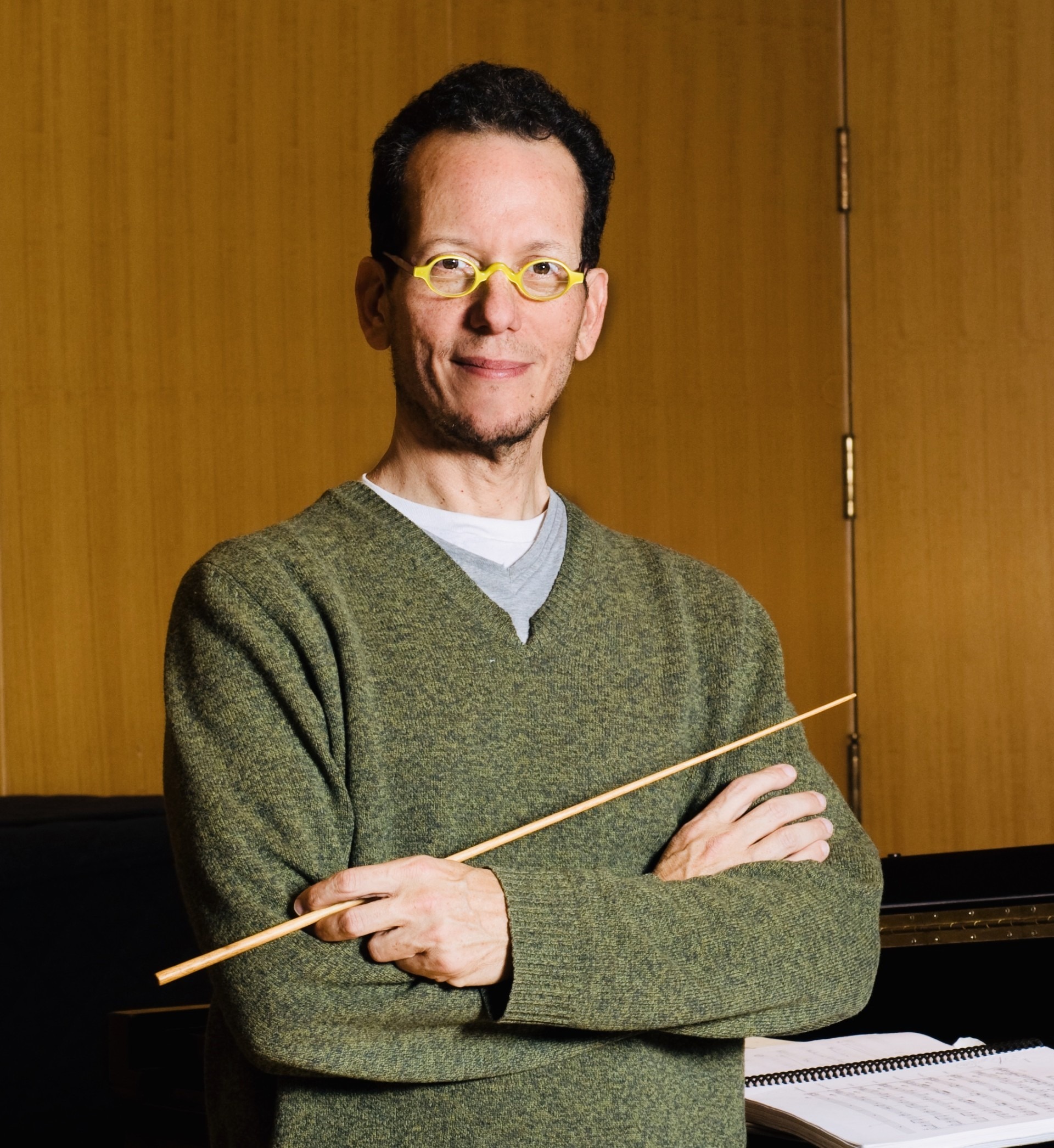
Colombian pianist Roberto McCausland Dieppa, to judge from the cover and insert photos, likes to emphasize his odd appearance by wearing rounded glasses à la Schubert and colorful scarves à la Glenn Gould. He apparently also fancies himself the writer of these works, since his “bio” blurb is headed “About the composer,” but although I also disagree with the purple prose he uses to describe himself the actual performances of these Beethoven sonatas are actually quite good. Playing what sounds to my ears like a lightweight piano with a finely chiseled tone, Dieppa nevertheless follows the score remarkably well, missing none of Beethoven’s many and sundry dynamics markings and phrase indications. Indeed, I would go so far as to say that these are probably quite close in both execution and the sound of the instrument to what one might have heard if Beethoven himself were playing these works for you. In that respect, then, I have the highest admiration for Dieppa as an interpreter. In the first movement of the Appassionata, for instance, Dieppa works very well within the fairly narrow dynamics range of his instrument, managing to make a real contrast between its softest pianissimo and the most it can produce in fortissimo. There are also some interesting interpretive details, rubato used at the ends of dramatic sections before the music moves on, that make his playing more eloquent.
My only small complaint of his Appassionata is the tempo imbalance between the second and third movements. When you play the third movement at the brisk tempo and dramatic inflections as Dieppa does here, you need to have a little more con moto to your Andante as Beethoven directed, but here Dieppa plays the Andante con moto without much moto so that, when he jumps into the third movement, it sounds a bit disproportionately brisk. But I had no such complaints about his Pathétique, played in each movement with exactly the right tempo and phrasing as well as the right inflections.
In his performance of the Moonlight sonata, the first movement does not quite achieve the sense of mystery and melancholy that Beethoven intended, even though it is played in the proper tempo, and also Dieppa does not modify the line in the slightest with rubato inflections as it so desperately needs, but the remaining two movements are exemplary.
Following this, Dieppa gives us only the last two movements of the Les Adieux sonata. He plays them very well indeed, capturing the feeling of longing in the second movement and the feeling of release and joy in the third, so of his performance I have no complaint, but why not the whole sonata? These movements are listed on the back of the CD container as “Encore” pieces, but surely there was enough time left on the disc (nearly 12 minutes) to have given us the first movement as well? A mystery, then. Dieppa apparently likes to play truncated sonatas as encores.
In toto, then, an excellent introduction for me to this artist (although he has produced seven more albums, I haven’t heard them) and one that invites further listening for those who may be interested. Lynn René Bayley

Album. Autumn Passion: Beethoven
Kolumbia pianist Roberto McCausland-Dieppa on albumile “Sügispassioon” jäädvustanud Ludwig van Beethoveni kolm kuulsaimat sonaati sooloklaverile: “Appassionata”, “Pathetique”, “Kuupaistesonaat”.
Paljudest teistest Beethoveni salvestistest eristub see eriliselt poeetilise ja sensitiivse interpretatsiooniga.
Albumit (Phoenix 2014) tutvustab Kersti Inno.
Muusika nimekiri
11:05:00
Ludwig van Beethoven – Klaverisonaat nr 23 f-moll “Appassionata”: I Allegro assai; II Andante con moto; III Allegro ma non troppo (Roberto McCausland-Dieppa (klaver))
11:29:16
Ludwig van Beethoven – Klaverisonaat nr 8 c-moll “Pathetique”: I Grave – Allegro molto con brio (Roberto McCausland-Dieppa (klaver))
11:37:52
Ludwig van Beethoven – Klaverisonaat nr 14 cis-moll “Kuupaistesonaat”: I Adagio sostenuto; II Allegretto; III Presto agitato (Roberto McCausland-Dieppa (klaver))
Kommentaare veel ei ole. Ole esimene!
SEARCH FOLLOW-UP SHIPPING SUBMITTED A-Ü PODCASTID OF US (Photo:) Album 4.12.2014 Shows: Album Album Autumn Passion: Beethoven Roberto McCausland-Dieppa, Colombian pianist Roberto McCausland-Dieppa, has captured Ludwig van Beethoven’s three most famous sonatas for the solo-label “The Fall Pass”: “Appassionata”, “Pathetique”, “Kuupaisesonaat”. Of many other beethoven recordings, it is distinguished by a particularly poetic and sensational interpretation. The album (Phoenix 2014) introduces Kersti Inno. Music List 11:05:00 Ludwig van Beethoven – Piano Conte No 23 f-moll “Appassionata”: I Allegro assai; II Andante con moto; III Allegro ma non troppo (Roberto McCausland-Dieppa (piano)) 11:29:16 Ludwig van Beethoven – Piano Conductor No 8 in C minor “Pathetique”: I Grave – Allegro Molto Con Brio (Roberto McCausland-Dieppa (piano)) 11:37:52 Ludwig van Beethoven – Piano Conductor No. 14 cis-moll “Kuupaisonat”: I Adagio sostenuto; II Allegretto; III Presto Agitate (Roberto McCausland-Dieppa (piano)) 0
BEETHOVEN Piano Sonatas: No. 8
Note to editor: The pianist variously lists himself with and without a hyphenated last name. I tossed a coin.
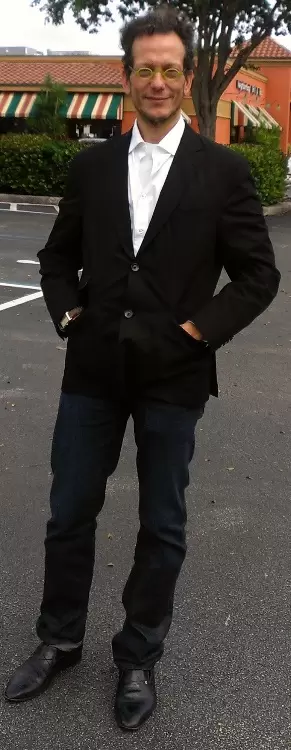
The catalog isn’t exactly bereft of Beethoven recitals combining the “Moonlight,” “Pathetique,” and “Appassionata” sonatas, but none of them comes festooned with such an exotic pedigree. Where was Serkin when the intoxicating music of Colombia’s Caribbean coast beckoned? When a CD titled “Beethoven for Kids” was in the studio, Michelangeli was nowhere to be found. And if Arrau was sent a pair of glow-in-the-dark yellow spectacles to sport, he quickly sent them back. Roberto McCausland-Dieppa filled the bill, and as I followed his tracks from a Christian college in Georgia (graduated 1981) to a post at the School of Fine Arts in Cleveland (where he promoted music education for children), and a far-flung recital schedule (justifying the claim that he is the first native-born Colombian pianist to achieve an international career), I found myself agreeing with what McCausland-Dieppa told some kids about Beethoven: “He was quite a character.”
Everyone knows the danger facing a jack-of-all-trades, but Dieppa, if I can use the shorter form of his name, can assuredly play Beethoven—and Liszt, which was his specialization while earning a Ph.D. in music performance. These readings are more than adept and far from academic. He has the technique to convey what he feels about each sonata, with a gratifying lack of officialdom. On YouTube you can find a handful of videos where Dieppa performs his own “Caribe classical” compositions, and the bright, forward rhythms that inform those pieces are echoed in his security with the sharp turns in the first movement of the “Appassionata” or the slowly rippling left-hand accompaniment in the “Moonlight’s” opening movement. There’s an appealing freshness to Dieppa’s playing that doesn’t, however, step out of bounds and start to swing. I wonder if he was tempted.
The Andante and finale of the “Les Adieux” Sonata are offered as so-called “encores.” They are sensitively done, especially the Andante—all the slow music on the program is executed with tenderness. Why the entire piece wasn’t presented is a bit of a mystery. The CD is subtitled “Three Great Sonatas One Encore,” yet in 2002 Dieppa released an album of “Four Great Sonatas” that is identical to this one, but with the entire “Les Adieux” included (not to mention that two movements constitute two encores, not one). I assume but cannot verify that this is a reissue of the earlier CD.
The piano is closely miked and sounds a bit bright on my audio system, although that’s not a serious drawback. There are no notes in the slim-line cardboard packaging, only puffy praise of the pianist. With his yellow spectacles and excitable hair, Dieppa looks the part of a fantastic character not far removed from Willie Wonka, perhaps. But this is a serious, enjoyable Beethoven recital.
Huntley Dent




1985-1991
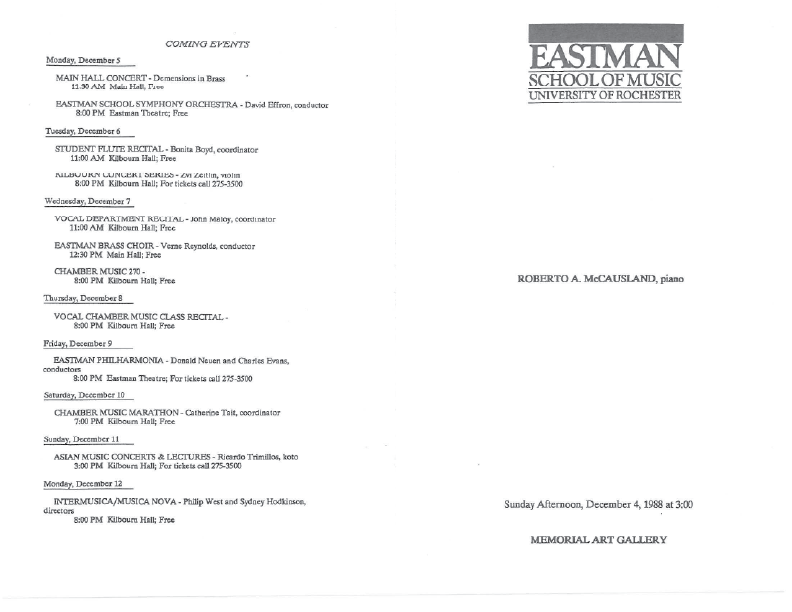
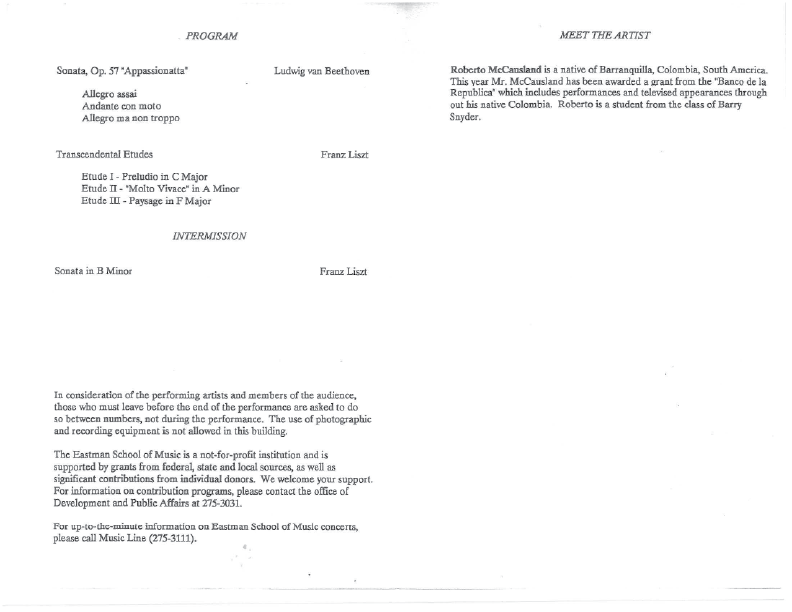
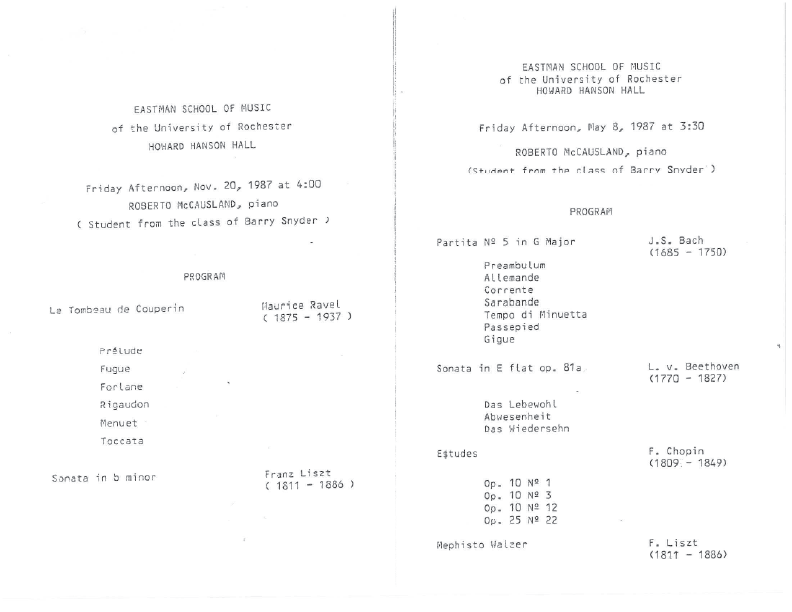
After an exhilarating experience in Atlanta, and having heard pianist Barry Snyder perform at a Liszt festival, Dieppa decided it was time to become a full-fledged soloist, packed his bags and went to master the Chopin etudes at Eastman with the guiding tutelage of Barry Snyder. Snyder had studied with Cecil Genhart, an ardent student of Tobias Matthay. Edwin Gerschefski had also received personal instruction from Matthay.. During four and a half years, etudes were the diet. Down times, Dieppa found solace and joy helping his friends do their ear training and theory work. He also spent a bit of time learning the ways of a Philharmonic, studied just about every pedagogical manual related to piano, psychology of listening and conducting, composing at the time available at the Sibley Music Library.
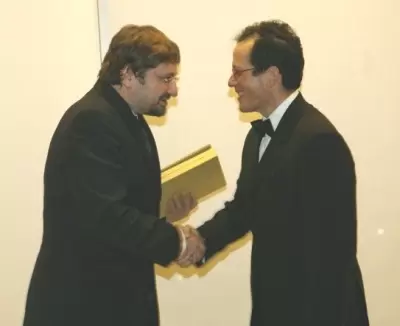
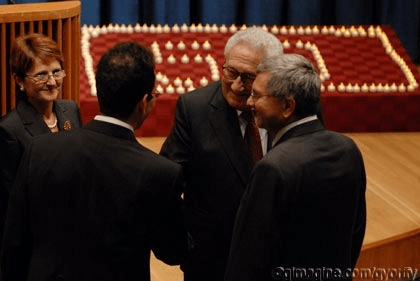
1991-2006
In 1990, leaving the tutelage of Snyder, proved to be fortuitous unexpectedly, it had been a positive learning experience. 1991 Dieppa toured as a soloist as Europe opened, starting in Vienna, Prague and Budapest continuously, during this period. Having time to deeply experience and study (1997-2004) Wagner operas at Bayreuth Festspielhausen, Daniel Barenboim ‘chef d’orchestre’ ( Tristan und Isolde, Die Meistersinger-) later Parsifal, Gotterdämmerung complete Ring cycle, an intimate relationship with Hungarian Bettina Lunk twenty three years his junior (1998), spent time in Weimar studying Liszt, Goethe and Schiller, and concluded a performance practice Doctorate on Liszt with then the Royal School of Music supervisor adjudicator, Dr. Raymond Thomson. He was impassioned with Budapest- experiencing the culture and music he adopted early in life as partly his own through Liszt and Bartok, Europe, touring Europe, and its artistic life.
It during 2006 when he received the Pro Arte Hungarica prize from the Hungarian ministry of Culture, in collaboration with Columbia University’s Center for European studies that just a few months before, he had been introduced to Heidi Kadersch (Venezuela) during a Rosh Hashanah celebration, a relationship reminiscent of Wagner’s Tristan and Isolde in soul and content emerged- it served as catalyst to the production of several of his most important works and arrangements- Suite Caribe, Besame Mucho, Insensatez, One note Zamba, Each day Begins and Ends with You, more importantly it cemented what had started with Sinfonia Latina. The couple lived together through -2009 and sporadically kept in touch thereafter. Dieppa took breaks from performances composed, wrote over thirty published articles journals about music, created radio programs, energized the classical music scene reviewing young people’s orchestra performances, recorded videos, and started setting the stage for life as a composer and performer democratizing classical music- spreading inclusiveness, shaking staleness.







Georgia State University | School of Music
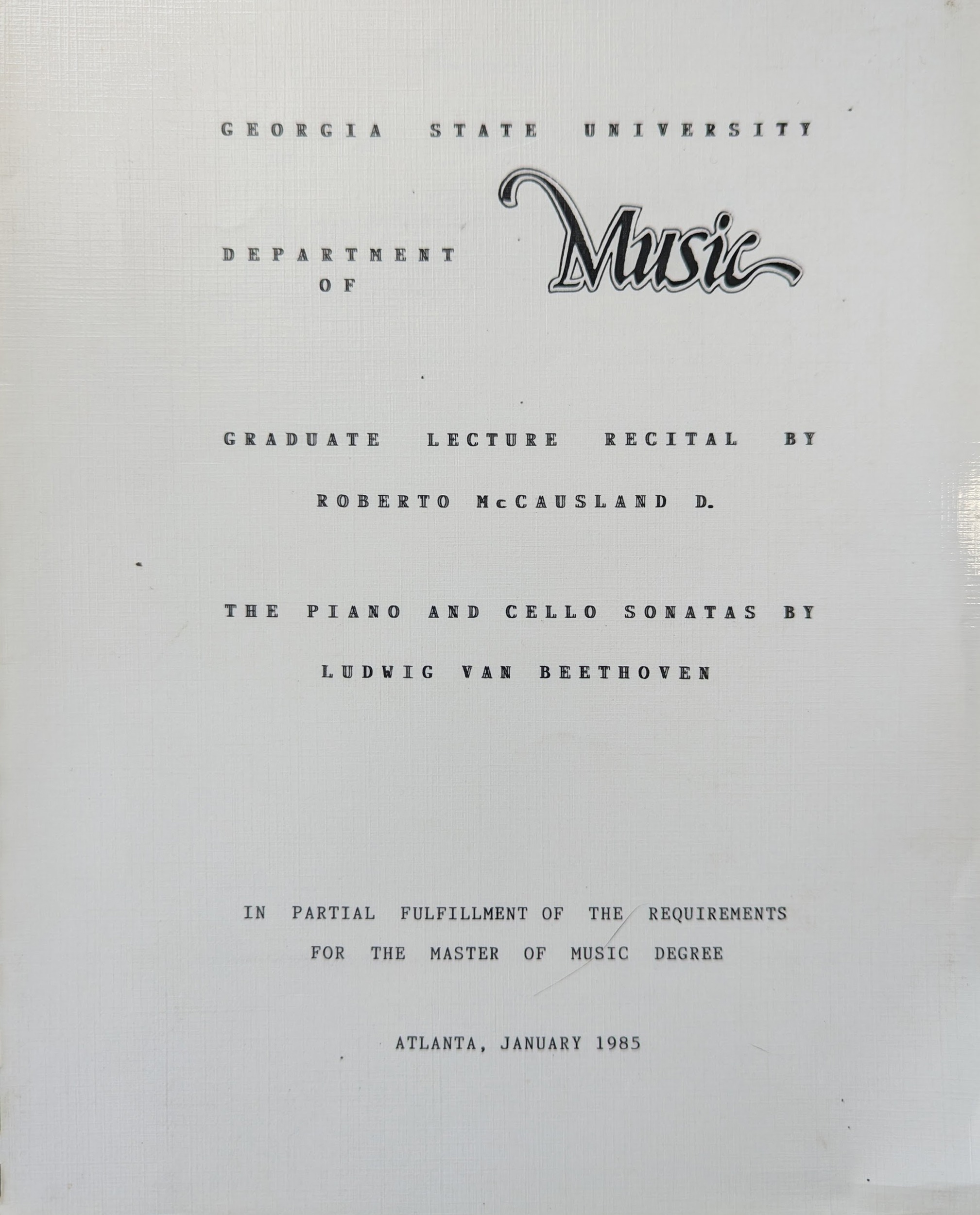
Eastman School of Music
Supporting Programs:
Additional Information:

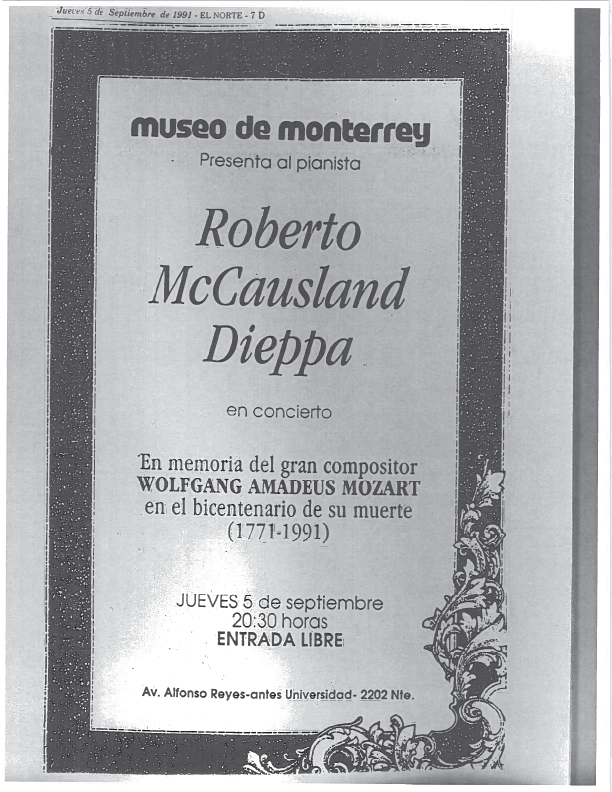
Mexico Programs
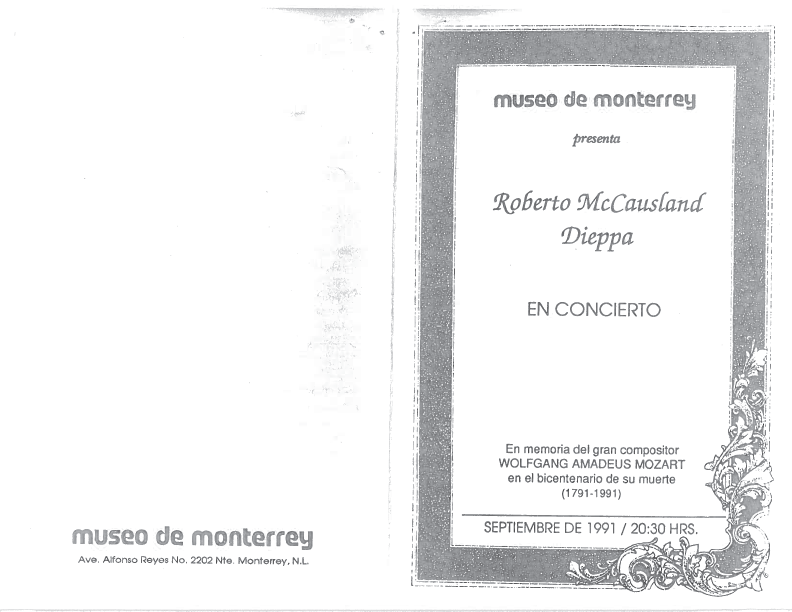
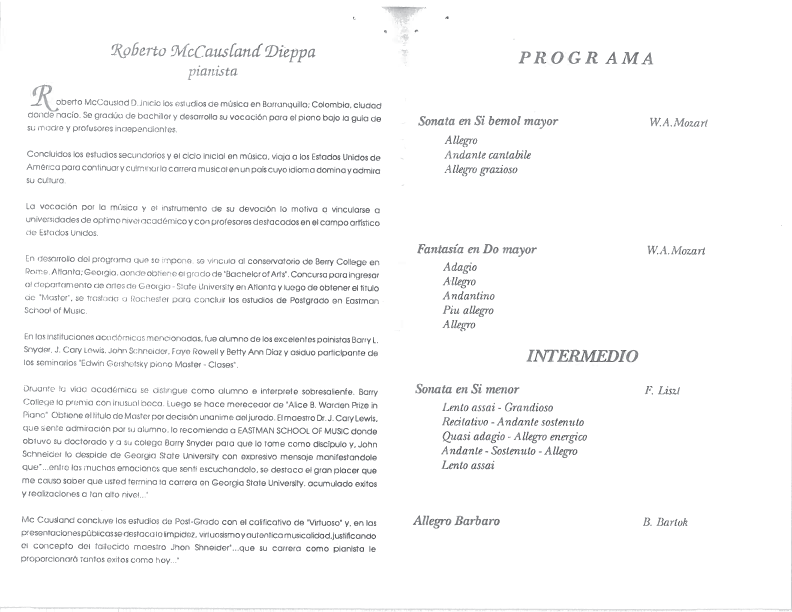
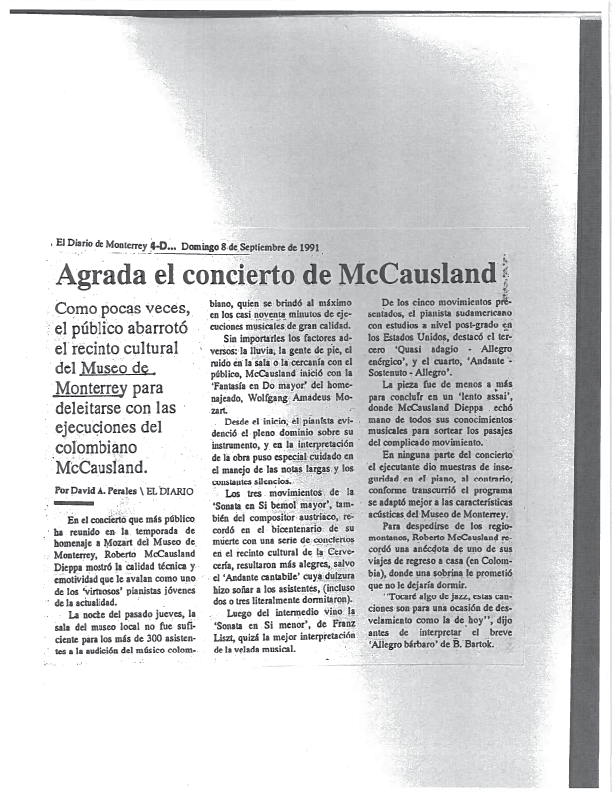
Merryl Lynch
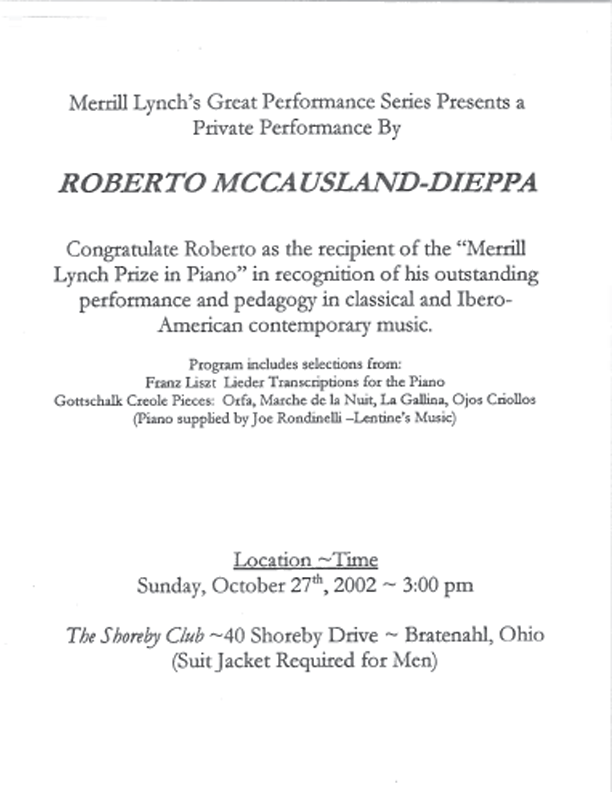
¿Dieppa?
A Conversation with Roberto McCausland Dieppa
Autumn Passion: Beethoven Retrospective, Three Great Sonatas One Encore MP3 Music
Colombian pianist/composer Roberto McCausland Dieppa plays the classics—he’s toured extensively, to critical acclaim—but also loves jazz, popular, and folk music (especially the Colombian variety). He founded the Santa Fe Orchestra to play Colombian and Caribbean music in a fusion style combining Latin/Caribbean/jazz/classical influences, including percussion, and has written and performed many arrangements of South American songs.
His Variaciones sobre un tema de Fruko (Variations on a Theme by Fruko), for string quartet, bass, oboe, full Latin percussion, and piano is, to quote his web site, “an original composition …[that] merges salsa, jazz and classical in a passionate, virtuosic yet perfectly balanced format building on the natural structure of the genre in dance movements).” He’s received many prestigious awards, among them The Pro-Arte Prize given by the Ministry of Culture of Hungary “for his performance and dissemination of the music of Ferenc Liszt and Béla Bartók.” I should also mention his United Nations appearance (with moderator Henry Kissinger) in March 2006, celebrating Hungary’s 50 years of independence since the 1956 revolution.
Anyone interested in seeing/hearing him play alone and with his group can find numerous clips on YouTube, some taken from a series of six DVDs produced by the Universidad del Norte, Colombia, which also produced a documentary about his musical upbringing (there’s a link to a clip from this at: robertomccauslanddieppa.com/?section=bio on “Drawing music lovers” in the Timeline section of the site).
Dieppa has also written a book for young people, Beethoven for Kids, which is best appreciated in conjunction with his CD of the same name, as well as his other similarly themed CD, Beethoven for Kids and Teens.
Besides overflowing with creative ideas, he’s a conversationalist whose individual turn of phrase and joie de vivre probably owe something to his Caribbean heritage. Speaking with him, I found his warm voice and relaxed manner the perfect complement to his Latin charm.
…his own ‘inspirations’ … combine Lisztian virtuosity and chromaticism with a Latin American sensibility in arrangementes… Besame Mucho and Jobim’s Insensatez… International Piano Magazine, Wulf, July 2015
What was your early life like, musically speaking?
Remembering, I can say that music, art, and literature were always part of our home’s ambiance … and that’s not to deny the artistic milieu of the times … it was the importance of sound as an expressive, sensuous and sensual, non-verbal language that took hold of me.
My siblings started music lessons, and I must have been around four or five years old at the time. It seemed to have been difficult for them to perform their music assignments: I would help them by playing the tunes on the guitar or would go to their lessons, absorb them, and complete their assignments, all by ear. Life then was (and still is, today) mostly a social and family interactive learning communal experience, where all would know for good or worse what was going on or what activities people were engaged in.
In the wider world, success and failure took place in front of an audience. There was a communal aspect to Caribbean culture—a Montessori-type, mas o menos, environment. Eventually my siblings all quit music and my parents did not acquiesce to my request for lessons, mostly because they didn’t approve of my artistic inclination. To them, the eldest son should do anything but be in the arts. Unforgiven, I am still doing what I was meant to do; that is my feeling.
Eventually my mother couldn’t refuse me, but she decided that rather than have me study with a stranger, she would teach me herself. This suited me, as well: I would reinterpret and reinvent her teaching in my own way and I humorously challenged her character and process: It was fun! As an avid British and American literature fan, I’d say that learning from my Mom was like taking piano lessons from Julia Child.
My grandfather lived by music. Every waking hour away from work he had the music going! As a Euro-Latin gentleman, and as for many during his time—[Brazilian landscape architect] Roberto Burle-Marx and his family come to mind when I think of his generation—Beethoven was his guy. There was not one recording of Otto Klemperer we did not listen to analytically; every recording of Wilhelm Kempff’s beautiful piano tone, with his sense of phrasing, involved us so much that we would try to emulate it on a late 19th-century Steinway B. It was all a passionate obsession about music and Beethoven, and how much of a good time we had…
Do you play anything besides piano?
I learned guitar, bass guitar, assorted percussion instruments, and studied violin seriously. I love the sound of a great violin and violinist. Heifitz’s Bach Chaconne entered my soul the moment I heard it the first time. Ravel’s Tzigane and the Brahms Violin Concerto touch every cell of my nervous system.
Still, for me, few are the truly great violinists who have mastered the delivery of the soul of the instrument in convergence with the communication of the story. A violin, like a lead trumpet and great rock guitarists, speaks stories in sound and every nuance, tickle, finger touch, belly ache, toe tingling, heartfelt human emotion is contained in that little box. I took the violin to get to know her, like a man needs to know his woman to make her his own.
How were you introduced to jazz? Popular music? Rock?
My father was a Modernist, super jazz aficionado. Satchmo (as he told me Louis Armstrong was nicknamed), Benny Goodman, Erroll Garner, Count Basie, Duke Ellington, and Ella Fitzgerald, were treated with the same reverence with which the French speak of Ravel, Debussy, and de la Croix, perhaps even Monet and Matisse. I loved Art Tatum. Dad would teach me about how jazz had evolved, bout saxophonists Charlie Parker and John Coltrane. As an architect, he had studied and lived in New York where Mies Van der Rohe and Le Corbusier had been the diet of the time, and I am sure he spent his free time in jazz halls or perhaps even bars; although he would not dare admit it, he knew too much about it. Even the Beatles were part of his collection. Not side-tracking his passion for modern art, he was a serious listener, maybe even too serious!
But above all, as Caribbeans we were aware from our earliest years of the sensuousness of life, and this found an echo in our love of jazz. I felt Miles [Davis] must have been a great lover; he must have been able to make a woman come alive and feel every possible emotion through his touch and whisper—that is what I sense from his slow ballad playing—that is great stuff…
Then there were Santana, Jimi Hendrix (though I didn’t hear him when he was alive), Cream, Deep Purple, and much later, Van Halen. Their music became the rhythms of our belly souls, at least for me. It was part of our household, mostly because the older siblings would bring the music home. Rock was in my blood. I even had a 20-piece band with which I played Latin-rock, jazz, and a little, little bit of classical, and experimented seriously with my first compositions. Needless to say, salsa and Caribbean sounds never stop sounding in Barranquilla. People often ask me how come I know so many tunes and styles, having lived mostly abroad. Music never stops and it is integrated in our daily customs and rituals—there is a sound, a “clave” [a rhythm] for every occasion.
…Debussy’s La fille aux cheveux de lin’… Preludes Book I pleasant sense of Poise… International Piano, Wulf, June 2015
But once I heard the Liszt Sonata and all of its mysterious Phrygian and gypsy sounds (and the Mahler Eighth reassured me, with its mixture of classical and folk elements), I knew I had to be there doing it and be part of the expression. Hence, it created my artistic mission…
When did you begin to compose?
As a kid, becoming familiar with learning tunes and sounds, sounds played and sounds heard started to synchronize. Concurrently, little ideas would emanate from others, consequently relating sounds with moods, occasions, and images. I would add on to some, improvise parts for others (cute incidental music for home plays), and started composing for community and school occasions. Then ideas started to crystallize: a fusing of folk, classical, and popular idioms, and then paraphrases and re-compositions of materials flowed. Eventually, I came up with the idea of framing rock and Latin sounds and rhythms in a symphonic architectural sequence. It was fun and seemed to work well; there was an audience for this. Soon thereafter I left for a more formal pursuit of ideas and training…
So you were initially self-taught?
Self- and community-taught. For me, absorbing music meant learning to rely totally on the auditory process, rather than visual stimuli translated into sound. Of course one has to read the score, but learning from sound itself is where it is at. There is a special color, touch, and feeling Rachmaninoff emits in his recordings when I hear his playing—the notes C, C#, A♭, A, have to me a distinctive sound that belongs to him and only to him. Michelangeli has that individual, yet fittingly special way of approaching E♭, of course subject to the message of the music…
Unfortunately, the theorists and the traditionalists may be killing classical music with their overly analytical approach. To them, all that matters are just mental organizational processes, not music or artistry. So when I went to formal music school I was shocked at the reliance on tradition. Supposedly we would learn the authentic Lisztian tradition because whoever we learned from was per se a student of a student of a student of Lammond, who was a student of the man himself. I think Liszt and his friends would have laughed at this idea.
Or consider the so-called Viennese tradition, which offers a lot of staleness on its own if not infused with the proper emotional elements of the culture. Of course this is much easier to write about it than to make it work. Or consider trying to codify sonata form—unimaginable! It’s all empty intellectual theorizing. After all, how many Beethoven sonatas or Mozart piano concerti are exactly the same architecturally? None.
To repeat, I had come from a primarily auditory environment to the academic intellectual study of music and performance, and it was hellish for me. It seemed to me that many instructors, professors, and teachers were relying heavily on past knowledge, and few were in real time.
However, I did have a couple of, so to speak, “great” teachers. One championed the Liszt Sonata and the Mephisto Waltz: As I was studying with him, it was an experience, I learned a huge amount. I came to the other teacher when he was older, in his 70s, and with him there was real artistic insight: He embodied pure excellence in teaching. In general, my relationships with teachers were tumultuous; I wanted to learn, but not merely through repetition of “traditions,” as if we were parrots paraphrasing techniques. But persistence pays, and in the end I got out of them a huge amount of greatness.
Would you say that your experience accurately reflects your country’s academic approach?
Yes. Even today, it is a carbon copy of Europe, yet we are not completely European: We owe a fair bit to African and Mediterranean music, as well. We have to find a way to combine our own ways with North American teaching and European tradition. There’s much to learn and there’s so much innate, intuitive talent. There are very few places where I have ever been or lived where music and sound are so ingrained in daily life. I think there may even be a political element in that music represents freedom from the constraints of inherited colonial social mores. Speaking of the totality of Columbian music, I am confident that recognition will come.
Not only do you perform and compose, you also conduct. Did you start to do so out of necessity, like Stravinsky in his early years?
Yes. At this point, the idiom is still young and unchartered. When I score a work with 11 to 15 percussion instruments, carefully choreographed and intended to be performed simultaneously, I still find conductors who say it cannot be….My personality is such that I naturally like to lead, and more important, to communicate emotional expression. For a passionate storyteller, there is nothing like an orchestral ensemble. Besides playing with my own group, I’m starting to work a bit with some young ensembles in order to spread the joy: We are also forming one dedicated to this type of sound.
How has your music been received in Columbia and elsewhere around the world?
We are just starting to spread the word. I am happy that the classical public, as well as the general audience, enjoys the crossover and fusion elements, so there seems to be a genuine interest.
Another way in which you try to “spread the word” is with your Beethoven for Kids series.
This is in my heart, mind, and soul, to bring what I think is great music and a character building process to kids. Beethoven worked diligently; it was not easy for him—and it is not easy for any one.
About your new CD: If I may play devil’s advocate for a moment, Autumn Passion contains four well-known Beethoven sonatas, performed live. Why should anyone buy it when this music has been done so many times before? What do you feel you bring to it?
If I love to perform these sonatas, then I think the public will love these performances as well. It is not about playing them better or creating the ultimate recording or concert—it is about the utter joy, verve, and passion in performance. It’s as if you had a Cabernet (vino) and said to yourself, “Why should I try and enjoy another one if I have already tasted it once, and it was good?” You would be missing the joy, life, passion, and fulfillment of another wonderful and beautiful wine.
Although you and I haven’t met in person, I’m impressed with your self-confidence, even as I enjoy your light-hearted sense of humor—I love the picture of you wearing those fluorescent yellow glasses.
Life is good; what is there not to be joyful about? A little bit of humor and fun never interferes in the seriousness of the pursuit of excellence. Besides, no one owns the rights to how Beethoven should be performed.
This article originally appeared in Issue 38:3 (Jan/Feb 2015) of Fanfare Magazine.